THE ADVENTURE COLLECTIVE® · Independent discovery and booking for outdoor travel

A private 14-day trek from Kathmandu to Everest Base Camp, this trip covers classic Khumbu villages, glacier valleys and a sunrise ascent to Kala Patthar. Expect tea-house nights, high passes, and strict acclimatization for a safe summit approach to Base Camp.
A private 14-day trek from Kathmandu to Everest Base Camp, this trip covers classic Khumbu villages, glacier valleys and a sunrise ascent to Kala Patthar. Expect tea-house nights, high passes, and strict acclimatization for a safe summit approach to Base Camp.
You step out of Kathmandu’s early light into a thin air that already tastes of stone and distant glaciers. After a sharp 30-minute flight to Lukla the valley opens like a map of ridgelines; rivers dare you across swinging suspension bridges and rhododendron forests give way to moraine and ice. By the third day the skyline is a hard-edged necklace of peaks—Everest, Lhotse, Nuptse—each one pushing the weather and your limits.
Verified experiences and guided adventures in the surrounding area.
Operated by Nepal Mountain Adventure · Gorak Shep, Province No. 1
You step out of Kathmandu’s early light into a thin air that already tastes of stone and distant glaciers. After a sharp 30-minute flight to Lukla the valley opens like a map of ridgelines; rivers dare you across swinging suspension bridges and rhododendron forests give way to moraine and ice. By the third day the skyline is a hard-edged necklace of peaks—Everest, Lhotse, Nuptse—each one pushing the weather and your limits.
The route follows centuries-old trade trails through the Khumbu, crossing Sagarmatha National Park (a UNESCO site) and passing Tibetan Buddhist monasteries that anchor Sherpa culture here. Geologically, you’re walking on uplifted sediment and glacial drift; the Khumbu Glacier sculpts the landscape and leaves moraines and polished rock as signposts. Villages like Namche and Tengboche are supply and acclimatization hubs where local history and high-altitude farming meet expedition logistics.
Expect steady climbs, two planned acclimatization days, and nights in tea houses—simple warmth and shared meals. The summit objective is Everest Base Camp (5,365 m) with an optional pre-dawn ascent to Kala Patthar for sunrise over the summit. Weather can shift fast; wind and sun both demand respect. Hydrate deliberately, pace up hills, and follow your guide’s acclimatization plan. Footwear should be broken in, layers staged for freezing mornings and sunny afternoons, and a daypack ready for glacier dust and camera stops.
This is a technical-free but physically demanding journey: altitude management, patience, and solid conditioning reward you with close-up icefall views, tight-knit Sherpa hospitality, and a sense of having moved through one of Earth’s rawest high-mountain environments.
challenging.
14 days.
Good cardiovascular fitness and experience with multi-day hikes at altitude; train with long day-hikes and stair or hill repeats beforehand.
No; the itinerary reaches Everest Base Camp and Kala Patthar without technical climbing, but hikers must be prepared for high-altitude trekking and variable terrain.
Spring (April–May) and autumn (Sept–Nov) offer the most stable weather, clearer skies, and warmer daytime temperatures for trekking.
Tea houses provide basic rooms with shared or private facilities, simple meals, and communal dining—expect modest comfort at higher elevations.
Guides enforce acclimatization days, monitor symptoms, carry pulse oximeters and a first-aid kit, and will descend or arrange evacuation if severe symptoms develop.
The Khumbu region served as an ancient Tibetan trade corridor and later as the staging ground for early Everest expeditions; Sherpa mountaineering culture developed alongside these routes.
Sagarmatha National Park regulations protect fragile alpine ecosystems—stick to marked trails, pack out waste, and minimize fuel and wood use in settlements.
Nepal Mountain Adventure operates guided outdoor trips and adventures with an emphasis on safety, stewardship, and memorable experiences.
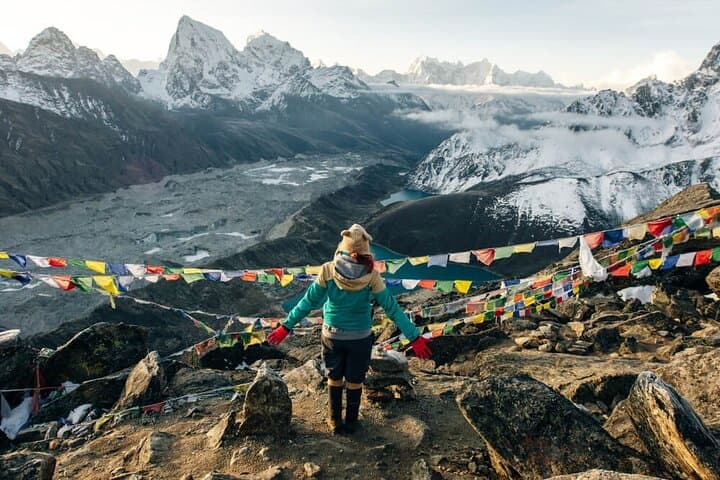
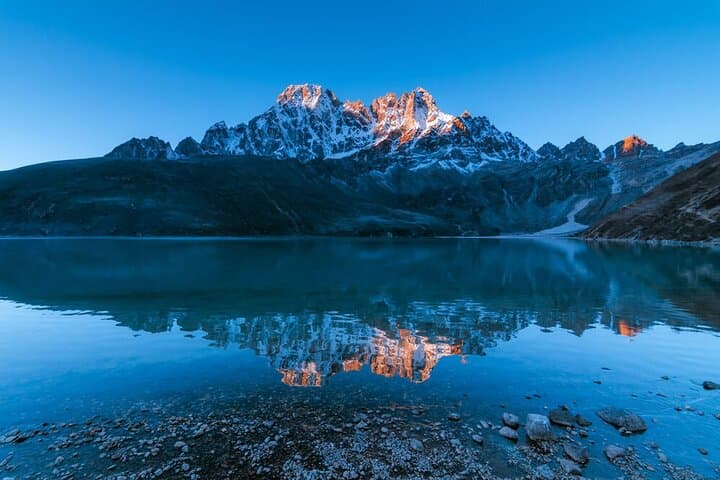
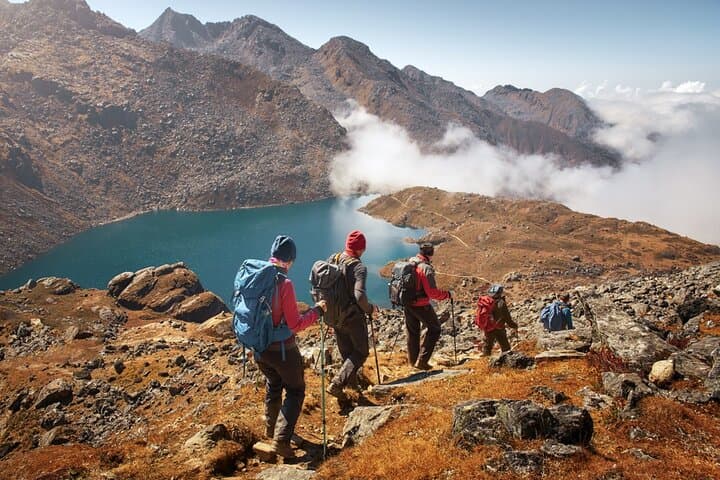
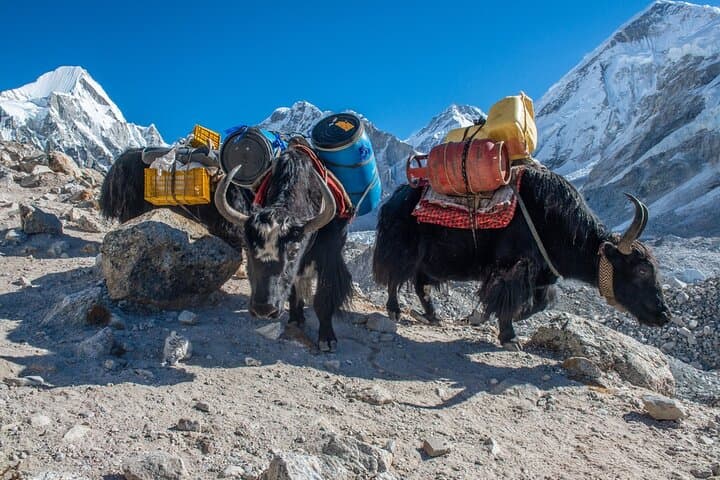
You step out of Kathmandu’s early light into a thin air that already tastes of stone and distant glaciers. After a sharp 30-minute flight to Lukla the valley opens like a map of ridgelines; rivers dare you across swinging suspension bridges and rhododendron forests give way to moraine and ice. By the third day the skyline is a hard-edged necklace of peaks—Everest, Lhotse, Nuptse—each one pushing the weather and your limits.
You step out of Kathmandu’s early light into a thin air that already tastes of stone and distant glaciers. After a sharp 30-minute flight to Lukla the valley opens like a map of ridgelines; rivers dare you across swinging suspension bridges and rhododendron forests give way to moraine and ice. By the third day the skyline is a hard-edged necklace of peaks—Everest, Lhotse, Nuptse—each one pushing the weather and your limits.
The route follows centuries-old trade trails through the Khumbu, crossing Sagarmatha National Park (a UNESCO site) and passing Tibetan Buddhist monasteries that anchor Sherpa culture here. Geologically, you’re walking on uplifted sediment and glacial drift; the Khumbu Glacier sculpts the landscape and leaves moraines and polished rock as signposts. Villages like Namche and Tengboche are supply and acclimatization hubs where local history and high-altitude farming meet expedition logistics.
Expect steady climbs, two planned acclimatization days, and nights in tea houses—simple warmth and shared meals. The summit objective is Everest Base Camp (5,365 m) with an optional pre-dawn ascent to Kala Patthar for sunrise over the summit. Weather can shift fast; wind and sun both demand respect. Hydrate deliberately, pace up hills, and follow your guide’s acclimatization plan. Footwear should be broken in, layers staged for freezing mornings and sunny afternoons, and a daypack ready for glacier dust and camera stops.
This is a technical-free but physically demanding journey: altitude management, patience, and solid conditioning reward you with close-up icefall views, tight-knit Sherpa hospitality, and a sense of having moved through one of Earth’s rawest high-mountain environments.