THE ADVENTURE COLLECTIVE® · Independent discovery and booking for outdoor travel

Capture Kathmandu’s temples, Pokhara’s mirrored lakes and the less-crowded Mardi Himal skyline on a 14-day photography-focused trek. This private, guide-led tour balances cultural shoots with high-altitude landscape sessions and built-in edit days.
Capture Kathmandu’s temples, Pokhara’s mirrored lakes and the less-crowded Mardi Himal skyline on a 14-day photography-focused trek. This private, guide-led tour balances cultural shoots with high-altitude landscape sessions and built-in edit days.
Dawn arrives cold and clear above the Annapurna foothills; silhouettes of Machapuchare and Annapurna South sharpen as you unpack a tripod beside a ragged ridge. The 14-day Photography Nepal Tour stages sunrise and night shoots in Kathmandu and Pokhara, then carries you up the quieter Mardi Himal route where rhododendron trunks throw long shadows and alpine meadows open like natural stages for mountain portraits.
Verified experiences and guided adventures in the surrounding area.
Operated by CAN Travels · Pokhara, Gandaki Province
Dawn arrives cold and clear above the Annapurna foothills; silhouettes of Machapuchare and Annapurna South sharpen as you unpack a tripod beside a ragged ridge. The 14-day Photography Nepal Tour stages sunrise and night shoots in Kathmandu and Pokhara, then carries you up the quieter Mardi Himal route where rhododendron trunks throw long shadows and alpine meadows open like natural stages for mountain portraits.
The itinerary pairs cultural shoots—Swayambhunath’s prayer flags and Bhaktapur’s Newari squares—with high-altitude landscapes formed by young Himalaya geology: steeply uplifted metamorphic strata, glacial cirques and moraine-sculpted valleys. Local Gurung and Magar villages punctuate the route; their stone houses and terraced fields offer candid human-interest frames while the Annapurna Conservation Area protects fauna and traditional grazing patterns.
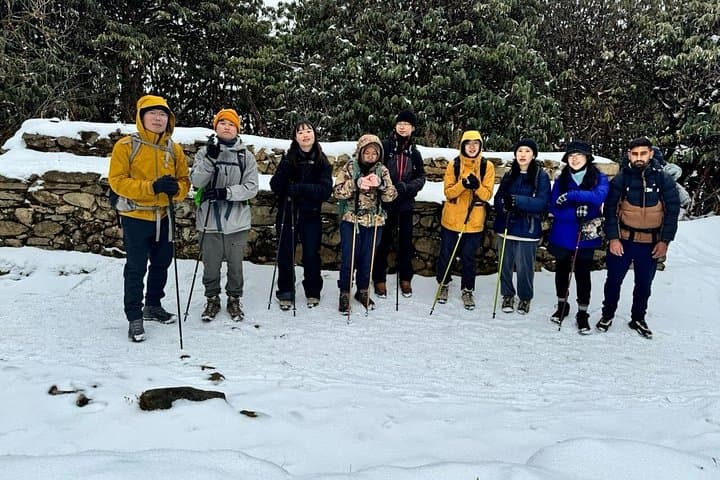
Expect steady ascents and technical light rather than technical climbing: Kande to Forest Camp (≈2,540 m), Low Camp (≈3,035 m), High Camp (≈3,580 m) and a push to Mardi Base Camp (~4,500 m) with daily walks commonly 4–8 hours. Trails alternate packed earth, stone steps and scree; cumulative elevation gain approaches 2,700–3,000 m from Pokhara. Acclimatization days and a rest/edit day in Pokhara are built into the schedule.
Practical guidance: wear broken-in boots with good grip, layer for large diurnal swings, carry 2–3 liters of water and a basic repair kit for camera gear. Shoot golden hours at Sarangkot and High Camp, and use a lightweight tripod and spare batteries—cold shortens life. Permits are included; travel with an experienced guide for both safety and local access to quieter photo opportunities.
challenging.
14 days.
Good aerobic fitness for sustained uphill hiking, ability to carry a daypack and tolerate long days at altitude
No—workshops are included for beginners through advanced shooters, but you should be comfortable managing your own camera equipment in the field.
Yes; the tour includes trekking permits and a government-licensed English-speaking guide plus a photographer guide as listed.
Guesthouse teahouses with basic beds and shared facilities are standard on the trail; hotels in Kathmandu and Pokhara are 2-star label as described.
From Kande/Lumre approaches to Mardi Base Camp the cumulative gain is roughly 2,700–3,000 m spread across multiple days with acclimatization stops.
The Annapurna region lies within the Annapurna Conservation Area, with long-settled Gurung and Magar communities whose agricultural terraces and songs remain culturally distinct.
Permits support ACAP management; stick to marked trails, pack out waste where possible and avoid single-use plastics to limit impact.
CAN Travels operates guided outdoor trips and adventures with an emphasis on safety, stewardship, and memorable experiences.
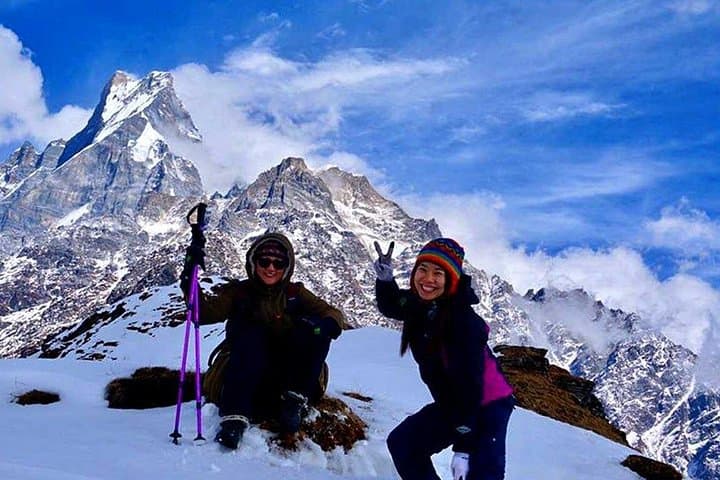
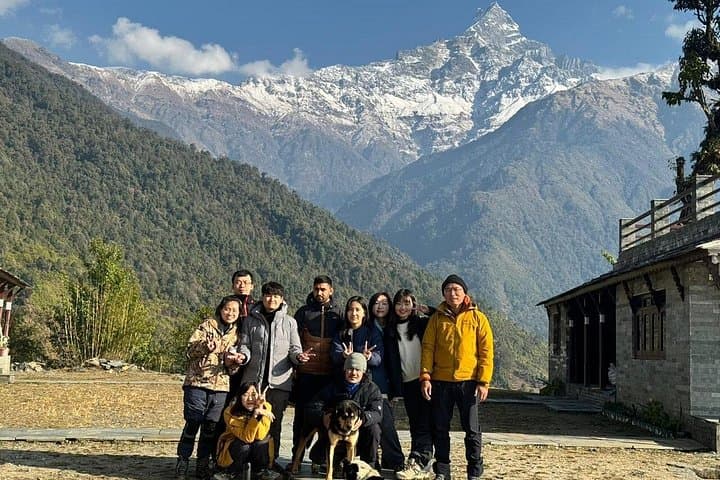
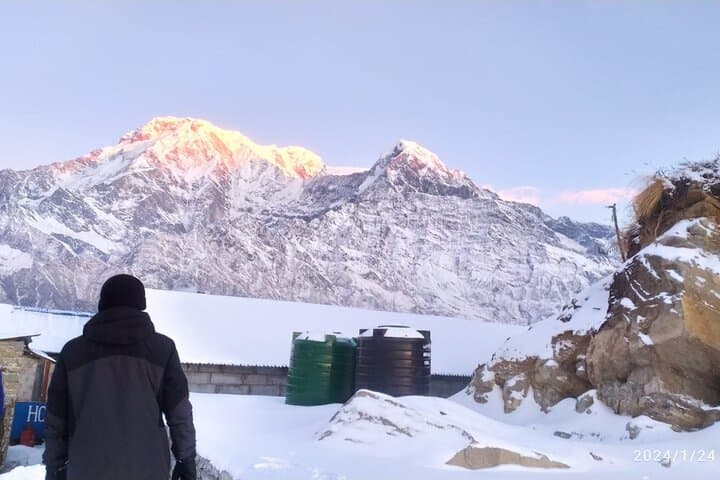
Dawn arrives cold and clear above the Annapurna foothills; silhouettes of Machapuchare and Annapurna South sharpen as you unpack a tripod beside a ragged ridge. The 14-day Photography Nepal Tour stages sunrise and night shoots in Kathmandu and Pokhara, then carries you up the quieter Mardi Himal route where rhododendron trunks throw long shadows and alpine meadows open like natural stages for mountain portraits.
Dawn arrives cold and clear above the Annapurna foothills; silhouettes of Machapuchare and Annapurna South sharpen as you unpack a tripod beside a ragged ridge. The 14-day Photography Nepal Tour stages sunrise and night shoots in Kathmandu and Pokhara, then carries you up the quieter Mardi Himal route where rhododendron trunks throw long shadows and alpine meadows open like natural stages for mountain portraits.
The itinerary pairs cultural shoots—Swayambhunath’s prayer flags and Bhaktapur’s Newari squares—with high-altitude landscapes formed by young Himalaya geology: steeply uplifted metamorphic strata, glacial cirques and moraine-sculpted valleys. Local Gurung and Magar villages punctuate the route; their stone houses and terraced fields offer candid human-interest frames while the Annapurna Conservation Area protects fauna and traditional grazing patterns.
Expect steady ascents and technical light rather than technical climbing: Kande to Forest Camp (≈2,540 m), Low Camp (≈3,035 m), High Camp (≈3,580 m) and a push to Mardi Base Camp (~4,500 m) with daily walks commonly 4–8 hours. Trails alternate packed earth, stone steps and scree; cumulative elevation gain approaches 2,700–3,000 m from Pokhara. Acclimatization days and a rest/edit day in Pokhara are built into the schedule.
Practical guidance: wear broken-in boots with good grip, layer for large diurnal swings, carry 2–3 liters of water and a basic repair kit for camera gear. Shoot golden hours at Sarangkot and High Camp, and use a lightweight tripod and spare batteries—cold shortens life. Permits are included; travel with an experienced guide for both safety and local access to quieter photo opportunities.