THE ADVENTURE COLLECTIVE® · Independent discovery and booking for outdoor travel

A compact 14-day loop from Casablanca that stitches Morocco’s imperial cities, High Atlas passes, and Erg Chebbi dunes into a single adventurous itinerary. Expect historic medinas, mountain panoramas, a private camel trek, and nights in riads and desert bivouacs.
A compact 14-day loop from Casablanca that stitches Morocco’s imperial cities, High Atlas passes, and Erg Chebbi dunes into a single adventurous itinerary. Expect historic medinas, mountain panoramas, a private camel trek, and nights in riads and desert bivouacs.
You step off the plane into Casablanca and the city’s sea-salted air meets the diesel hum of a convoy of SUVs — the beginning of two weeks that move from Atlantic ports to Saharan sky. Early mornings bring the call to prayer floating over wide avenues; evenings find you in riads trading stories with guides over mint tea. The rhythm is road, medina, mountain pass, and finally sand.
Verified experiences and guided adventures in the surrounding area.
Operated by This Desert Experience · Casablanca, Casablanca-Settat
You step off the plane into Casablanca and the city’s sea-salted air meets the diesel hum of a convoy of SUVs — the beginning of two weeks that move from Atlantic ports to Saharan sky. Early mornings bring the call to prayer floating over wide avenues; evenings find you in riads trading stories with guides over mint tea. The rhythm is road, medina, mountain pass, and finally sand.
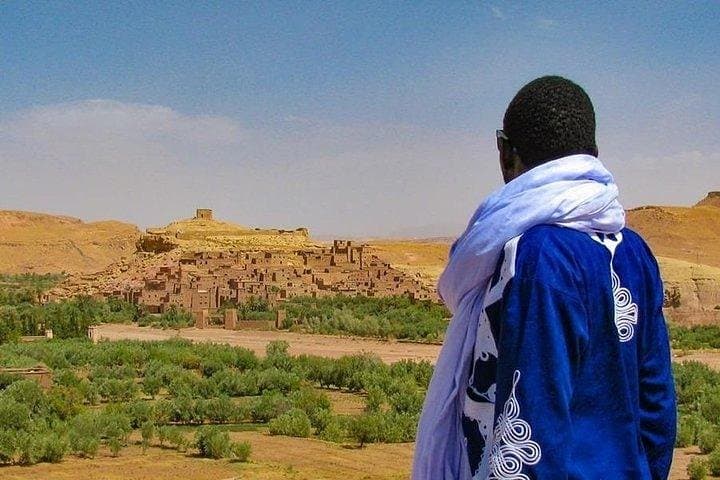
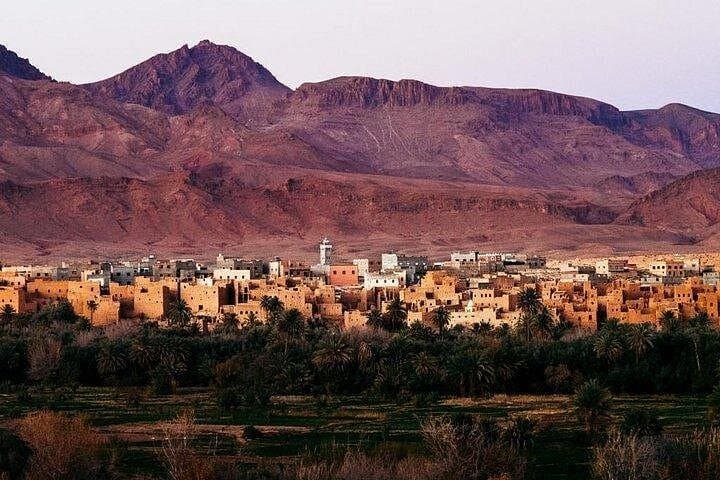
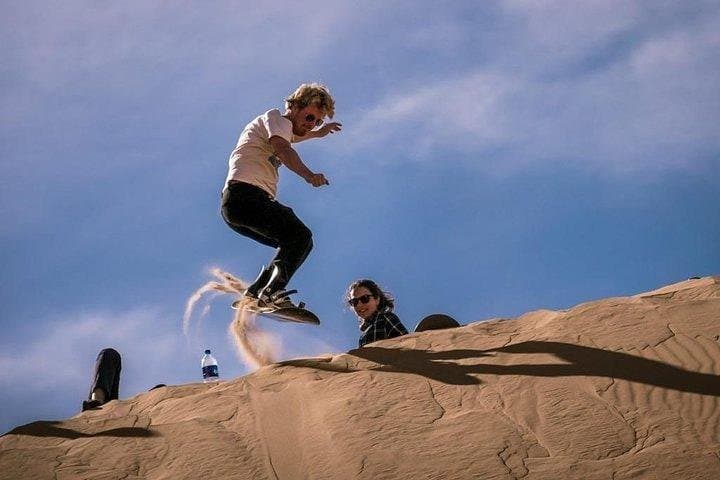
This itinerary threads Morocco’s long human and geological story: Roman mosaics at Volubilis, Almohad minarets in Rabat, medieval learning in Fes, and the earthen fortress of Ait Ben Haddou. The High Atlas imposes itself at Tizi n’Tichka (2,260 m), where folded limestone and volcanic foothills peel the landscape into terraces. In the southeast, Erg Chebbi’s dunes are wind-sculpted ridges that store heat by day and fracture into stars by night. Cultural beats matter here — Gnawa rhythms in Khamelia, Berber hospitality in cedar forests, and marketplaces where spices, leather, and dates anchor daily life.
Practical guidance: expect long drives interspersed with short hikes and urban walking; plan lightweight luggage and a small daypack for medina alleyways. Bring strong sun protection, layers for cold mountain mornings, and comfortable closed-toe shoes for cobbled streets and dune slopes. Hydrate often — desert stretches are dry and deceptively taxing. Allow time for acclimatization at altitude and book any museum or kasbah visits early in peak season. Finally, carry small bills for market purchases and respect local customs in conservative areas — a prepared traveler sees more, moves easier, and leaves a lighter footprint.
moderate.
14 days.
Suitable for generally active travelers who can handle full days of sightseeing, short hikes, stairs in medinas, and a camel trek; minimal sustained exertion required.
Yes — the itinerary is listed as a private tour with a dedicated English-speaking driver/guide and private transport.
Camel rides are moderate (about 90 minutes to the bivouac) and the desert night is generally comfortable with provided mattresses and blankets; bring a small sleeping layer if you sleep cold.
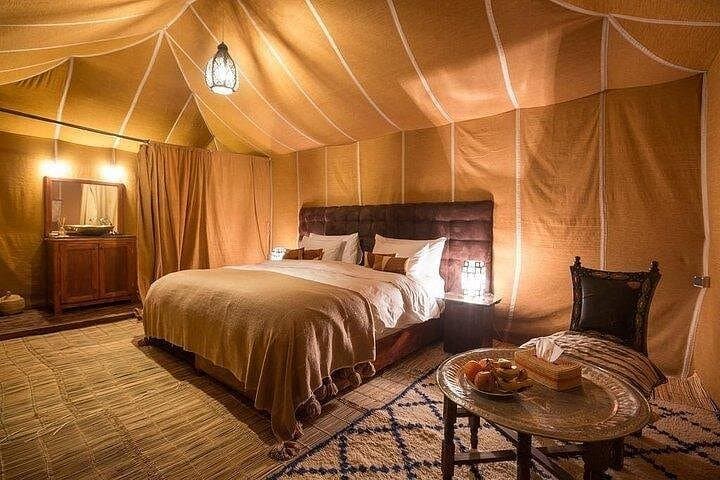
Breakfast is provided daily; four dinners are included along the route, plus accommodation in hotels, riads, and a private desert tent or bivouac as listed.
Transportation options are listed as wheelchair accessible, but many historic sites and riad accommodations include stairs and uneven surfaces — check specific accessibility needs with the operator before booking.
The route links Morocco’s imperial legacy — Fes, Meknes and Marrakesh — with Roman Volubilis and centuries of Berber settlement that shaped trade routes across the Atlas and Sahara.
Desert ecosystems are fragile; avoid trampling dune vegetation, use reusable water bottles, and support local communities by hiring guides and buying crafts directly to help sustain livelihoods.
This Desert Experience operates guided outdoor trips and adventures with an emphasis on safety, stewardship, and memorable experiences.
You step off the plane into Casablanca and the city’s sea-salted air meets the diesel hum of a convoy of SUVs — the beginning of two weeks that move from Atlantic ports to Saharan sky. Early mornings bring the call to prayer floating over wide avenues; evenings find you in riads trading stories with guides over mint tea. The rhythm is road, medina, mountain pass, and finally sand.
You step off the plane into Casablanca and the city’s sea-salted air meets the diesel hum of a convoy of SUVs — the beginning of two weeks that move from Atlantic ports to Saharan sky. Early mornings bring the call to prayer floating over wide avenues; evenings find you in riads trading stories with guides over mint tea. The rhythm is road, medina, mountain pass, and finally sand.
This itinerary threads Morocco’s long human and geological story: Roman mosaics at Volubilis, Almohad minarets in Rabat, medieval learning in Fes, and the earthen fortress of Ait Ben Haddou. The High Atlas imposes itself at Tizi n’Tichka (2,260 m), where folded limestone and volcanic foothills peel the landscape into terraces. In the southeast, Erg Chebbi’s dunes are wind-sculpted ridges that store heat by day and fracture into stars by night. Cultural beats matter here — Gnawa rhythms in Khamelia, Berber hospitality in cedar forests, and marketplaces where spices, leather, and dates anchor daily life.
Practical guidance: expect long drives interspersed with short hikes and urban walking; plan lightweight luggage and a small daypack for medina alleyways. Bring strong sun protection, layers for cold mountain mornings, and comfortable closed-toe shoes for cobbled streets and dune slopes. Hydrate often — desert stretches are dry and deceptively taxing. Allow time for acclimatization at altitude and book any museum or kasbah visits early in peak season. Finally, carry small bills for market purchases and respect local customs in conservative areas — a prepared traveler sees more, moves easier, and leaves a lighter footprint.