THE ADVENTURE COLLECTIVE® · Independent discovery and booking for outdoor travel

Cross Atlantic ports, High Atlas passes and the pink dunes of Erg Chebbi on a 14‑day journey through Morocco’s imperial cities and desert. This guide previews what you’ll see, how to prepare, and the practical details you’ll want before you go.
Cross Atlantic ports, High Atlas passes and the pink dunes of Erg Chebbi on a 14‑day journey through Morocco’s imperial cities and desert. This guide previews what you’ll see, how to prepare, and the practical details you’ll want before you go.
Dawn spills gold across the Erg Chebbi ridgeline as camels trace slow signatures through the sand — the first clear image of a 14‑day circuit that moves from Atlantic harbors to high mountain passes and Sahara night skies.
Verified experiences and guided adventures in the surrounding area.
Operated by Guided Morocco Tours · Casablanca, Casablanca-Settat
Dawn spills gold across the Erg Chebbi ridgeline as camels trace slow signatures through the sand — the first clear image of a 14‑day circuit that moves from Atlantic harbors to high mountain passes and Sahara night skies.
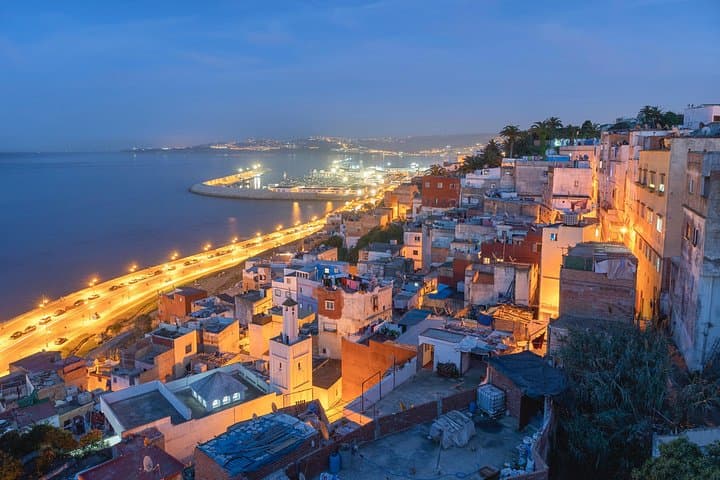
You travel through Morocco’s layered history: Roman mosaics at Volubilis (about 33 km north of Meknes), the fortified kasbahs of Ait Benhaddou, and the Almohad minaret traditions echoed in Rabat and Marrakech. Geology shapes the route — the Tizi n’Tichka crosses the High Atlas at roughly 2,260 m, trading olive terraces for cold, thin air, while Todra Gorge squeezes a river between cliffs that rise for hundreds of meters.
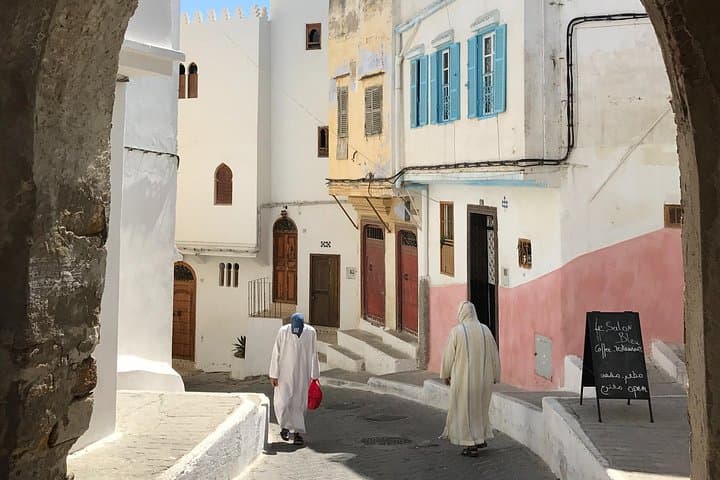
Cultural rhythms arrive in markets and workshops: Fes’ medina of tanners and madrasas, Chefchaouen’s blue alleys and Rif waterfalls, Gnawa music around a Merzouga campfire. Nature has agency here — Atlas passes push cool breezes into sun‑baked valleys, dunes shift and demand quiet steps, and coastal Essaouira flexes constant wind for kite surfers.
Practical guidance: allocate time for long drives (several 4–8 hour legs), plan desert mornings and late afternoons to avoid midday heat, and bring layers for mountain chills and desert nights. Comfortable walking shoes and a reusable water bottle are nonnegotiable; local guides manage logistics and most breakfasts are included, with selected dinners and a camel ride in Merzouga. Expect riads in cities, simple kasbah inns en route, and a desert camp overnight under clear stars. Book sturdy travel insurance, carry some cash for souks, and arrive ready to trade pace for depth — Morocco rewards the curious who can move with patience and an open pair of boots.
moderate.
14 days.
Moderate fitness recommended — the tour includes several long driving days, short hikes (5–6 km), and standing/walking in medinas and gorges.
Most mornings include breakfast (itinerary lists 13 breakfasts); a limited number of dinners are included as noted — expect many lunches and some dinners to be on your own or provided during special evenings such as desert camp service.
No technical skill is required; camel rides are short to moderate and guided — but they can be bumpy and require basic balance; alternative transport can usually be arranged on request.
Several multi‑hour transfers are scheduled (some days 4–8 hours) to connect Casablanca, the Atlas, Merzouga and Marrakech — plan for long travel days punctuated by sightseeing stops.
Yes — the operator notes stroller accessibility and infant seats are available; consider the long drives and desert conditions when traveling with very young children.
The route links Morocco’s imperial past (Fes, Meknes, Rabat) with Roman Volubilis and centuries of caravan trade through Ait Benhaddou and Dades valley.
Desert ecosystems are fragile — minimize water use, avoid disturbing dunes or archaeological sites, and support local guides and accommodations that practice waste reduction.
Guided Morocco Tours operates guided outdoor trips and adventures with an emphasis on safety, stewardship, and memorable experiences.
Dawn spills gold across the Erg Chebbi ridgeline as camels trace slow signatures through the sand — the first clear image of a 14‑day circuit that moves from Atlantic harbors to high mountain passes and Sahara night skies.
Dawn spills gold across the Erg Chebbi ridgeline as camels trace slow signatures through the sand — the first clear image of a 14‑day circuit that moves from Atlantic harbors to high mountain passes and Sahara night skies.
You travel through Morocco’s layered history: Roman mosaics at Volubilis (about 33 km north of Meknes), the fortified kasbahs of Ait Benhaddou, and the Almohad minaret traditions echoed in Rabat and Marrakech. Geology shapes the route — the Tizi n’Tichka crosses the High Atlas at roughly 2,260 m, trading olive terraces for cold, thin air, while Todra Gorge squeezes a river between cliffs that rise for hundreds of meters.
Cultural rhythms arrive in markets and workshops: Fes’ medina of tanners and madrasas, Chefchaouen’s blue alleys and Rif waterfalls, Gnawa music around a Merzouga campfire. Nature has agency here — Atlas passes push cool breezes into sun‑baked valleys, dunes shift and demand quiet steps, and coastal Essaouira flexes constant wind for kite surfers.
Practical guidance: allocate time for long drives (several 4–8 hour legs), plan desert mornings and late afternoons to avoid midday heat, and bring layers for mountain chills and desert nights. Comfortable walking shoes and a reusable water bottle are nonnegotiable; local guides manage logistics and most breakfasts are included, with selected dinners and a camel ride in Merzouga. Expect riads in cities, simple kasbah inns en route, and a desert camp overnight under clear stars. Book sturdy travel insurance, carry some cash for souks, and arrive ready to trade pace for depth — Morocco rewards the curious who can move with patience and an open pair of boots.