THE ADVENTURE COLLECTIVE® · Independent discovery and booking for outdoor travel

Train along the Nile, tackle Rwenzori slopes, and race the Uganda International Marathon in Masaka on this 14-day private running camp. Combine road intervals, trail climbs, whitewater options and cultural stops with guided support and acclimatization.
Train along the Nile, tackle Rwenzori slopes, and race the Uganda International Marathon in Masaka on this 14-day private running camp. Combine road intervals, trail climbs, whitewater options and cultural stops with guided support and acclimatization.
You step off the van where the Nile widens and the air smells of cut grass and river stone; early runs thread pine ridges above Jinja and finish with a dip in the Nile as light slides across the current.
Verified experiences and guided adventures in the surrounding area.
Operated by Nile Sport Safari · Masaka, Central Region
You step off the van where the Nile widens and the air smells of cut grass and river stone; early runs thread pine ridges above Jinja and finish with a dip in the Nile as light slides across the current.
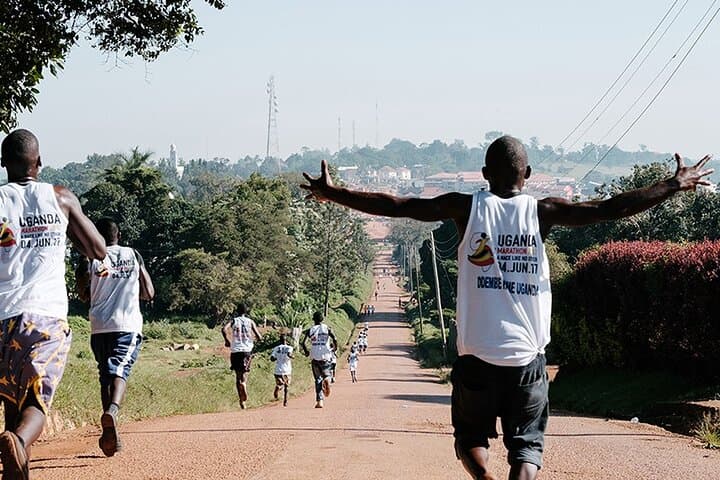
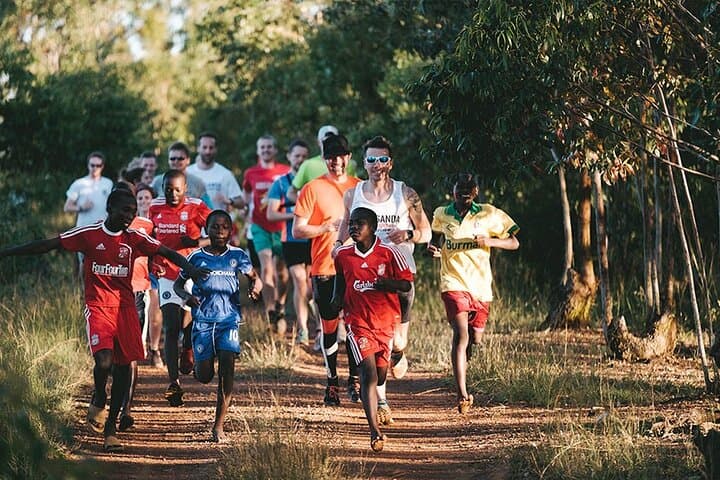
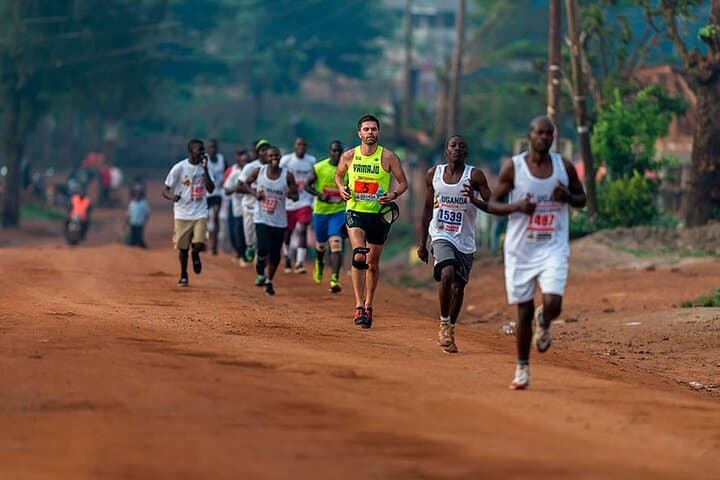
Over 14 days the program moves from lowland river runs to the cool, moss-damp slopes of the Rwenzori, then down to Masaka for the Uganda International Marathon. The route mixes road and trail sessions—intervals on serpentine cocoa tracks, progressive long runs through village farmland, and altitude work on Rwenzori foothills. The camp pairs training with local culture: Bakonzo song and dance at Ruboni, coffee and cassava farms, and visits to Busowoko and Itanda falls—powerful cataracts 27 km from Jinja that test experienced paddlers. Options include swimming up to 5 km or rafting sections of 10–40 km, and for the strongest athletes a 3-day climb to Mutinda Lookout (3,975 m) or Weismann’s Peak (4,620 m).
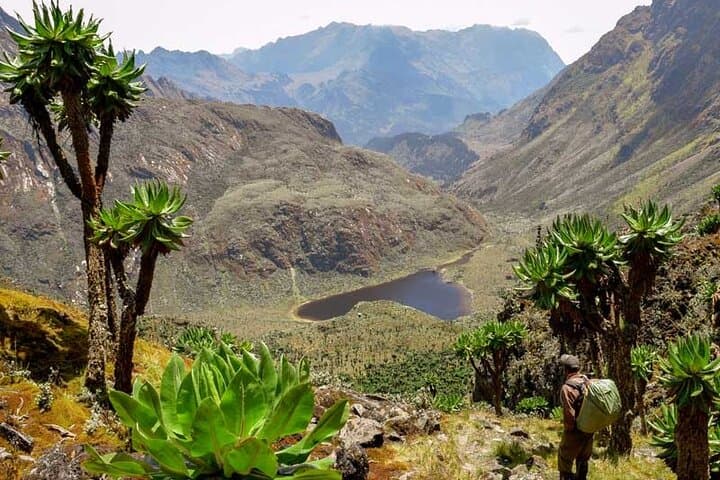
Geology here is stark: ancient volcanic foothills rising to glaciated Rwenzori towers, with giant lobelia and afro-alpine plateaus at higher elevations. Wildlife is present on runs—colobus and l’Hoest monkeys, hyrax, and rich birdlife.
Practical advice: allow 48–72 hours to acclimatize before hard altitude efforts, schedule easy days after long runs, and prioritize electrolytes and sun protection. Good trail shoes, a light waterproof, and a basic first-aid kit make long days easier. Expect remote camps, simple lodges, steady support from guides, and daily massage therapy to aid recovery—this is endurance training woven with real African landscapes.
challenging.
14 days.
Participants should have strong endurance base—able to run consistent weekly mileage and handle long days with elevation gain.
Experienced hikers with good fitness can attempt these peaks; technical mountaineering gear and prior high-altitude experience are recommended for Weismann's Peak.
English is widely used by guides; local languages include Luganda and Rutooro—community visits often include translation and cultural exchange.
Yes—three meals per day and lodges or community camps are included, with mixed European and local cuisine options and campsite nights in Ruboni/Mutinda areas.
The program includes 24-hour support from a team and basic first aid; participants should bring personal meds and have travel insurance covering evacuation.
The Rwenzori are part of the Albertine Rift; Bakonzo communities have lived on these slopes for generations and maintain strong cultural ties to the land.
Rwenzori National Park is a protected area with fragile alpine ecosystems—stick to established trails, avoid single-use plastics, and respect local conservation rules.
Nile Sport Safari operates guided outdoor trips and adventures with an emphasis on safety, stewardship, and memorable experiences.
You step off the van where the Nile widens and the air smells of cut grass and river stone; early runs thread pine ridges above Jinja and finish with a dip in the Nile as light slides across the current.
You step off the van where the Nile widens and the air smells of cut grass and river stone; early runs thread pine ridges above Jinja and finish with a dip in the Nile as light slides across the current.
Over 14 days the program moves from lowland river runs to the cool, moss-damp slopes of the Rwenzori, then down to Masaka for the Uganda International Marathon. The route mixes road and trail sessions—intervals on serpentine cocoa tracks, progressive long runs through village farmland, and altitude work on Rwenzori foothills. The camp pairs training with local culture: Bakonzo song and dance at Ruboni, coffee and cassava farms, and visits to Busowoko and Itanda falls—powerful cataracts 27 km from Jinja that test experienced paddlers. Options include swimming up to 5 km or rafting sections of 10–40 km, and for the strongest athletes a 3-day climb to Mutinda Lookout (3,975 m) or Weismann’s Peak (4,620 m).
Geology here is stark: ancient volcanic foothills rising to glaciated Rwenzori towers, with giant lobelia and afro-alpine plateaus at higher elevations. Wildlife is present on runs—colobus and l’Hoest monkeys, hyrax, and rich birdlife.
Practical advice: allow 48–72 hours to acclimatize before hard altitude efforts, schedule easy days after long runs, and prioritize electrolytes and sun protection. Good trail shoes, a light waterproof, and a basic first-aid kit make long days easier. Expect remote camps, simple lodges, steady support from guides, and daily massage therapy to aid recovery—this is endurance training woven with real African landscapes.