THE ADVENTURE COLLECTIVE® · Independent discovery and booking for outdoor travel

Spend two weeks following expert local guides through Ghana’s best butterfly habitats—from Atewa’s uplands to Ankasa’s lowland rainforest. This tour combines concentrated field time, photo opportunities and community-based lodgings for serious lepidopterists and nature photographers.
Spend two weeks following expert local guides through Ghana’s best butterfly habitats—from Atewa’s uplands to Ankasa’s lowland rainforest. This tour combines concentrated field time, photo opportunities and community-based lodgings for serious lepidopterists and nature photographers.
You step out of the air-conditioned van into a green hush; sunlight filters through emergent canopy and a dozen winged shapes sample the warm air. Over the next two weeks Ghana’s forests—Atewa’s upland rain, Bobiri’s living laboratory, Kakum’s canopy and Ankasa’s remote lowland—become a moving gallery where butterflies flit, mud-puddle and pose for lenses.
Verified experiences and guided adventures in the surrounding area.
Operated by Ashanti African Tours · Accra, Greater Accra Region
You step out of the air-conditioned van into a green hush; sunlight filters through emergent canopy and a dozen winged shapes sample the warm air. Over the next two weeks Ghana’s forests—Atewa’s upland rain, Bobiri’s living laboratory, Kakum’s canopy and Ankasa’s remote lowland—become a moving gallery where butterflies flit, mud-puddle and pose for lenses.
These forests sit on ancient Precambrian bedrock and lateritic soils that support West Africa’s richest lepidopteran communities. Bobiri preserves remnants of the once-extensive semi-deciduous woodlands; Kakum’s wetter forest hosts species tied to West Africa’s coastal rainforest block. Local Akan and Fante communities have long lived with these forests—guides combine natural-history knowledge with stories about medicinal plants and seasonal fruiting that influence butterfly abundance.
Expect guided dawn and mid-morning forays, long photographic pauses at fruiting trees and mud puddles, and evenings spent cataloguing images in simple lodges. Trails range from easy forest tracks to steeper upland paths at Atewa; terrain can be wet, rooty and uneven.
Practical essentials: carry a good macro lens or close-focusing optics, fast memory cards, plenty of mineral water and insect repellent. Lightweight rain protection is necessary—storms can arrive suddenly—and always wear sturdy, broken-in trekking shoes. Respect local customs, support community-run lodges, and leave no trace: butterflies are sensitive to habitat change, and your presence should be low-impact. With patient observation and a steady hand, a single forest morning can produce dozens of species and unforgettable images.
easy.
14 days.
Light walking fitness; able to spend multiple 3–6 hour field sessions on uneven, tropical forest trails
This tour is suitable for most fitness levels—daily activity typically involves a few hours of walking on uneven forest paths with breaks for photography.
Late-dry to early-wet periods often yield fresh butterflies; however, many target sites produce excellent diversity year-round with seasonal peaks depending on location.
The itinerary states that all excursion fees are included, but confirm details with the operator for specific park supplements or camera permits prior to travel.
Travelers should consult a travel clinic for recommended vaccinations (e.g., yellow fever, typhoid) and verify visa requirements for Ghana based on nationality.
Many of the forests visited were historically part of vast West African rainforests and remain culturally significant for local Akan and Fante communities who manage nearby reserves.
Several sites, like Atewa, face mining and logging pressure; supporting community lodges and following leave-no-trace practices helps reduce visitor impact.
Ashanti African Tours operates guided outdoor trips and adventures with an emphasis on safety, stewardship, and memorable experiences.
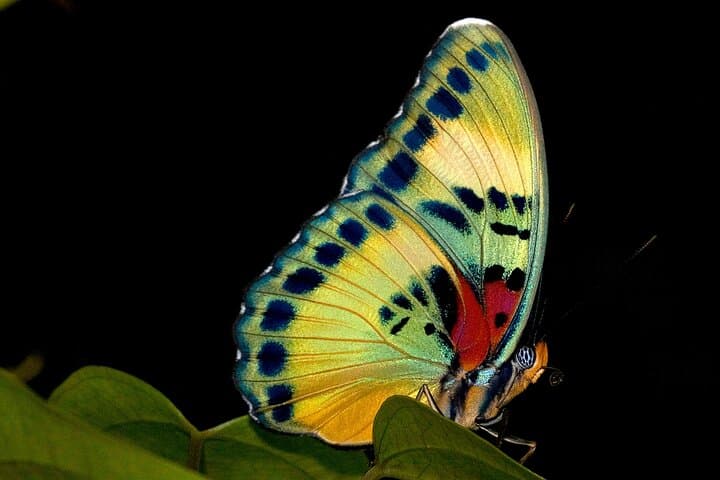
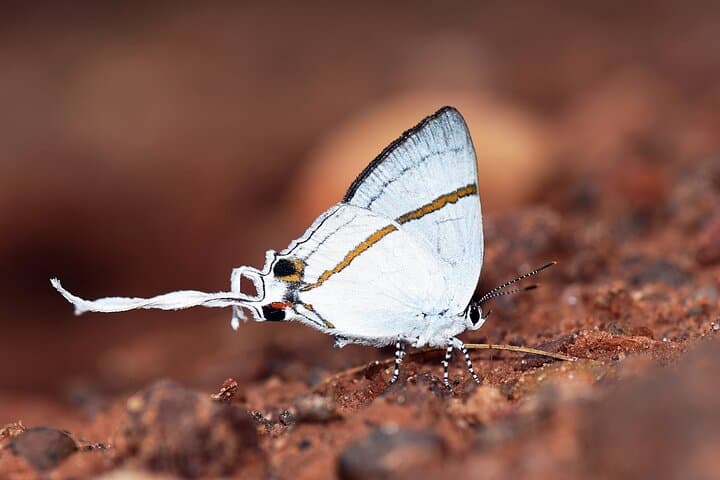
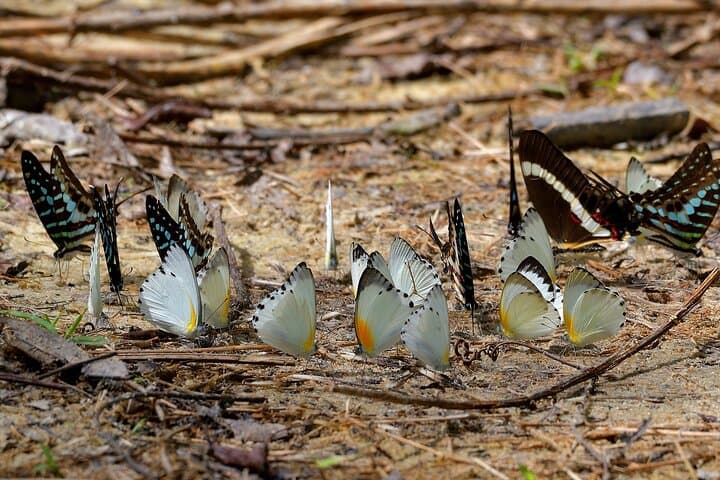
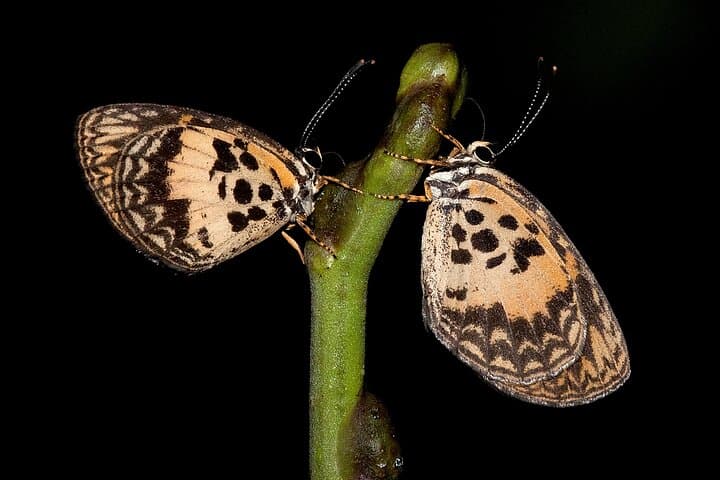
You step out of the air-conditioned van into a green hush; sunlight filters through emergent canopy and a dozen winged shapes sample the warm air. Over the next two weeks Ghana’s forests—Atewa’s upland rain, Bobiri’s living laboratory, Kakum’s canopy and Ankasa’s remote lowland—become a moving gallery where butterflies flit, mud-puddle and pose for lenses.
You step out of the air-conditioned van into a green hush; sunlight filters through emergent canopy and a dozen winged shapes sample the warm air. Over the next two weeks Ghana’s forests—Atewa’s upland rain, Bobiri’s living laboratory, Kakum’s canopy and Ankasa’s remote lowland—become a moving gallery where butterflies flit, mud-puddle and pose for lenses.
These forests sit on ancient Precambrian bedrock and lateritic soils that support West Africa’s richest lepidopteran communities. Bobiri preserves remnants of the once-extensive semi-deciduous woodlands; Kakum’s wetter forest hosts species tied to West Africa’s coastal rainforest block. Local Akan and Fante communities have long lived with these forests—guides combine natural-history knowledge with stories about medicinal plants and seasonal fruiting that influence butterfly abundance.
Expect guided dawn and mid-morning forays, long photographic pauses at fruiting trees and mud puddles, and evenings spent cataloguing images in simple lodges. Trails range from easy forest tracks to steeper upland paths at Atewa; terrain can be wet, rooty and uneven.
Practical essentials: carry a good macro lens or close-focusing optics, fast memory cards, plenty of mineral water and insect repellent. Lightweight rain protection is necessary—storms can arrive suddenly—and always wear sturdy, broken-in trekking shoes. Respect local customs, support community-run lodges, and leave no trace: butterflies are sensitive to habitat change, and your presence should be low-impact. With patient observation and a steady hand, a single forest morning can produce dozens of species and unforgettable images.