THE ADVENTURE COLLECTIVE® · Independent discovery and booking for outdoor travel

Follow the classic Lukla–Everest Base Camp route in 14 days, with built‑in acclimatization, teahouse stays, and sweeping Himalayan views. This practical guide covers daily pacing, permits, and what to pack for the climb from Lukla to 5,300 m.
Follow the classic Lukla–Everest Base Camp route in 14 days, with built‑in acclimatization, teahouse stays, and sweeping Himalayan views. This practical guide covers daily pacing, permits, and what to pack for the climb from Lukla to 5,300 m.
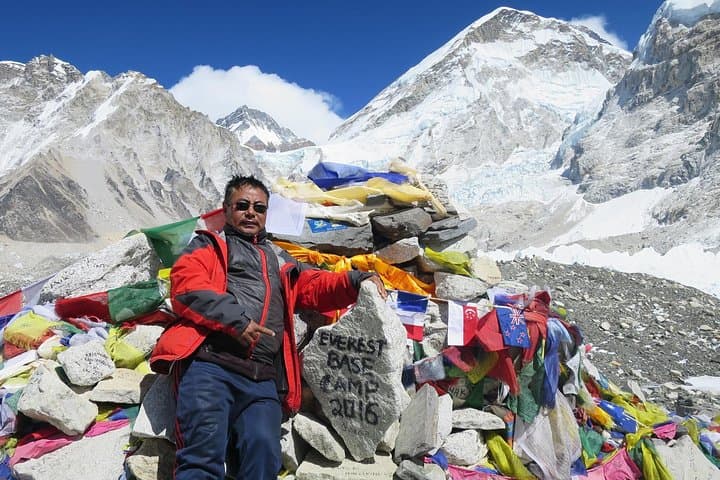
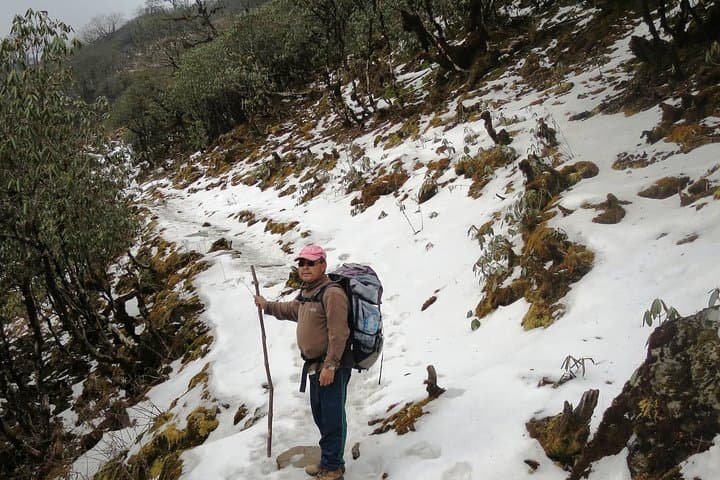
You step off the tiny plane at Lukla and cold mountain air pushes at your jacket like a polite dare. The trail climbs through rhododendron forests, crosses braided suspension bridges, and opens to the knife‑edged skyline of the Khumbu where Everest looms beyond a ragged ring of peaks.
Verified experiences and guided adventures in the surrounding area.
Operated by Mega Mount Trekking Expedition P. Ltd · Lukla, Solukhumbu
You step off the tiny plane at Lukla and cold mountain air pushes at your jacket like a polite dare. The trail climbs through rhododendron forests, crosses braided suspension bridges, and opens to the knife‑edged skyline of the Khumbu where Everest looms beyond a ragged ring of peaks.
This 14‑day itinerary follows the classic Lukla–Everest Base Camp route, moving from 1,345 m in Kathmandu to 5,300 m at EBC. The region sits inside Sagarmatha National Park (a UNESCO site since 1979), carved from uplifted Himalayan thrusts and glaciated valleys. Sherpa villages—Namche, Tengboche, Khumjung—hold centuries of Tibetan Buddhist culture; monasteries and mani walls mark rest stops as readily as tea houses.
Expect 3–7 hours of walking on most days: Lukla to Phakding (3–4 hrs), Phakding to Namche (5–6 hrs), and the long push from Lobuche to Gorak Shep and EBC (6–8 hrs round trip). Two acclimatization days (Namche, Dingboche) are built in to lower altitude sickness risk and improve summit‑day success.
Practical edge: book Lukla flights with buffer days for weather delays; carry cash (remote teahouses accept limited cards); secure a Sagarmatha NP permit and TIMS before departure. Footwear should be broken in, water treated, and layers ready for nighttime temperatures that can plunge well below freezing above 4,000 m.
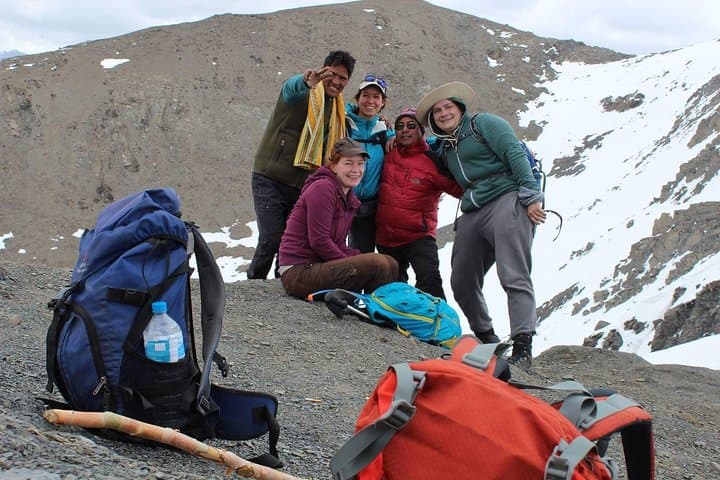
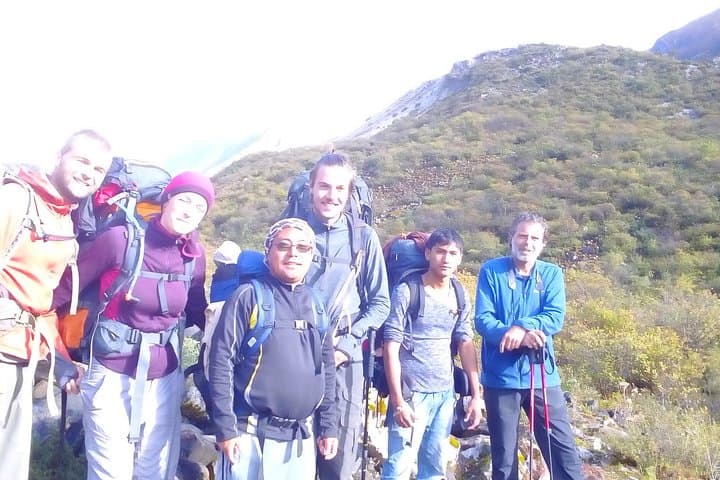
The trail is social—teahouses, porters, and fellow trekkers—and raw: glaciers, moraines, and thin air will test lungs and patience. Respect local customs, follow leave‑no‑trace principles, and move deliberately—altitude rewards patience.
challenging.
14 days.
Good cardiovascular fitness and multi‑day stamina; ability to walk 4–8 hours/day on uneven terrain at altitude.
Yes—trekkers need a Sagarmatha National Park permit and a TIMS card, typically arranged before departure or by your operator.
Flights operate in small aircraft and are weather‑sensitive; morning windows are best, and cancellations are common—build buffer days into your plans.
Headache, nausea, and fatigue are common; prevent them by ascending slowly, hydrating, resting on acclimatization days, and descending if symptoms worsen.
Teahouses provide basic bedrooms, shared bathrooms in lower villages, and hot meals—comfort decreases with altitude but services improve as trekking traffic allows.
The Khumbu region is the ancestral home of the Sherpa people and became globally prominent after Mount Everest expeditions in the mid‑20th century; Sagarmatha National Park protected the area in 1976 and UNESCO listed it in 1979.
High visitor numbers stress fragile alpine ecosystems—pack out waste, favor local lodges, and support community‑led conservation and waste‑management initiatives.
Mega Mount Trekking Expedition P. Ltd operates guided outdoor trips and adventures with an emphasis on safety, stewardship, and memorable experiences.
You step off the tiny plane at Lukla and cold mountain air pushes at your jacket like a polite dare. The trail climbs through rhododendron forests, crosses braided suspension bridges, and opens to the knife‑edged skyline of the Khumbu where Everest looms beyond a ragged ring of peaks.
You step off the tiny plane at Lukla and cold mountain air pushes at your jacket like a polite dare. The trail climbs through rhododendron forests, crosses braided suspension bridges, and opens to the knife‑edged skyline of the Khumbu where Everest looms beyond a ragged ring of peaks.
This 14‑day itinerary follows the classic Lukla–Everest Base Camp route, moving from 1,345 m in Kathmandu to 5,300 m at EBC. The region sits inside Sagarmatha National Park (a UNESCO site since 1979), carved from uplifted Himalayan thrusts and glaciated valleys. Sherpa villages—Namche, Tengboche, Khumjung—hold centuries of Tibetan Buddhist culture; monasteries and mani walls mark rest stops as readily as tea houses.
Expect 3–7 hours of walking on most days: Lukla to Phakding (3–4 hrs), Phakding to Namche (5–6 hrs), and the long push from Lobuche to Gorak Shep and EBC (6–8 hrs round trip). Two acclimatization days (Namche, Dingboche) are built in to lower altitude sickness risk and improve summit‑day success.
Practical edge: book Lukla flights with buffer days for weather delays; carry cash (remote teahouses accept limited cards); secure a Sagarmatha NP permit and TIMS before departure. Footwear should be broken in, water treated, and layers ready for nighttime temperatures that can plunge well below freezing above 4,000 m.
The trail is social—teahouses, porters, and fellow trekkers—and raw: glaciers, moraines, and thin air will test lungs and patience. Respect local customs, follow leave‑no‑trace principles, and move deliberately—altitude rewards patience.