THE ADVENTURE COLLECTIVE® · Independent discovery and booking for outdoor travel

Follow the classic Khumbu route from Lukla to Everest Base Camp over 14 days, completing a sunrise ascent to Kala Patthar. This practical guide covers terrain, culture, daily effort and essential prep for high-altitude trekking.
Follow the classic Khumbu route from Lukla to Everest Base Camp over 14 days, completing a sunrise ascent to Kala Patthar. This practical guide covers terrain, culture, daily effort and essential prep for high-altitude trekking.
You step off the tiny plane at Lukla, the valley wind pushing at the propeller as prayer flags snap like small flags of warning and welcome. The trail begins with river-song and suspension bridges, then climbs through cedar forest into Sherpa villages where stone teahouses mark the day’s end.
Verified experiences and guided adventures in the surrounding area.
Operated by Magic Himalaya Treks · Kathmandu, Bagmati Province
You step off the tiny plane at Lukla, the valley wind pushing at the propeller as prayer flags snap like small flags of warning and welcome. The trail begins with river-song and suspension bridges, then climbs through cedar forest into Sherpa villages where stone teahouses mark the day’s end.
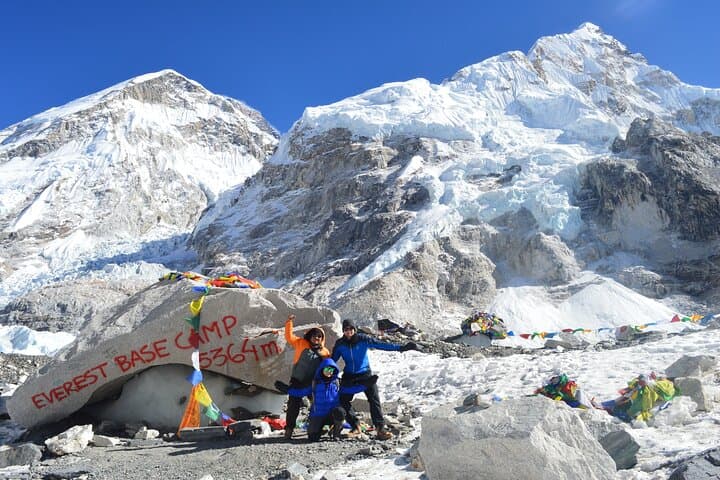
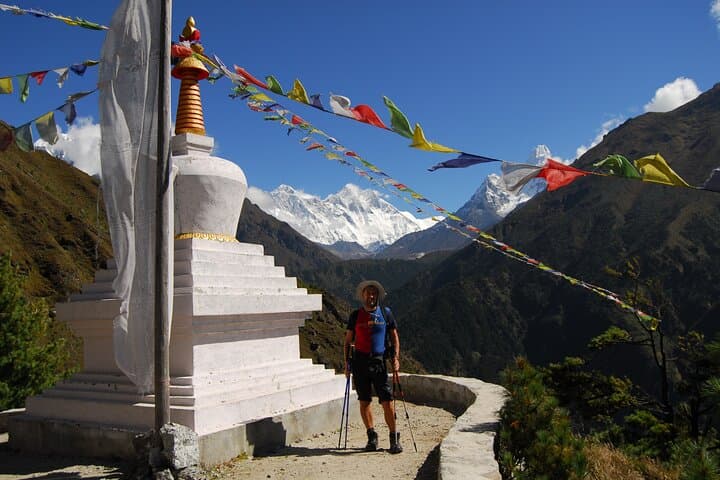
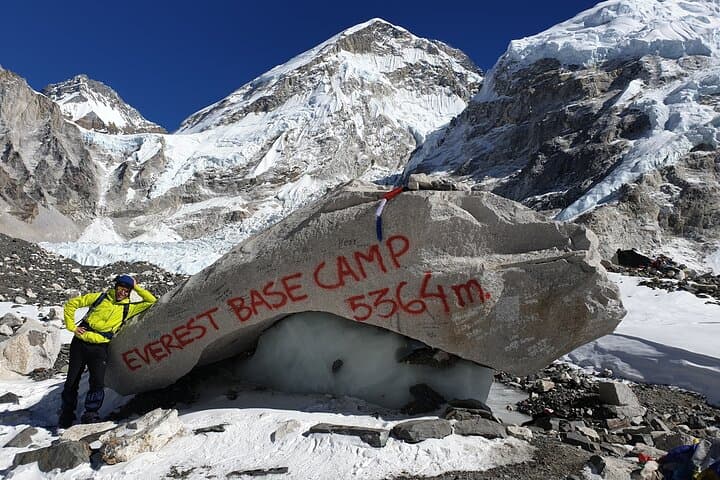
This 14-day itinerary follows the classic Khumbu route: Lukla, Namche Bazaar, Tengboche, Dingboche, Gorekshep and Everest Base Camp with a dawn push to Kala Patthar for the closest sunrise view of Everest. The landscape writes its own geology—older metamorphic rock giving way to glacial moraine and the braided streams of the Dudh Koshi. Culturally, this is Sherpa country: mani stones, gompas, and a living history of Himalayan mountaineering woven into village life.
Expect thin air, variable weather and infrastructure that’s basic but steady: teahouses with shared rooms at higher camps, hot meals that suit acclimatizing bodies, and local guides who manage logistics and altitude pacing. The flight into Lukla is a highlight and a practical consideration—weather can delay departures and returns.
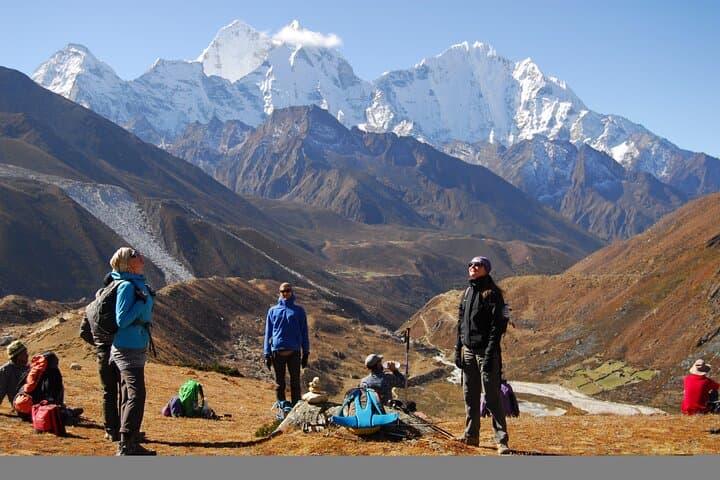
Practical guidance: train on sustained uphill hikes with a loaded pack, plan for 4–6 hours walking on most days and longer summit-style pushes for EBC and Kala Patthar, and bring layered insulation, a sleeping bag rated to at least -10°C, and a water treatment system. Hydrate proactively and follow the guide’s acclimatization schedule; altitude sickness is the primary risk. With preparation, the trail rewards with high-mountain views, Sherpa hospitality, and the rare experience of standing below the world’s highest peaks.
challenging.
14 days.
Good aerobic fitness and experience with multi-day hikes; comfortable carrying a 8–12 kg pack on steep terrain.
No technical climbing skills are required—this is a high-altitude trek on defined trails, but good fitness and acclimatization are essential.
Spring (March–May) and autumn (Sept–Nov) offer the most stable weather, clearer skies and better mountain visibility.
Altitude sickness is a real risk above 3,000 m; the itinerary includes acclimatization days and experienced guides monitor symptoms and can arrange descents or evacuation if needed.
Teahouses provide basic rooms with shared facilities at higher camps and cooked meals; expect simple beds, communal dining and hot soups/stews to aid recovery.
The Khumbu valley is home to the Sherpa people and played a central role in Himalayan exploration; first local-guided expeditions to Everest established routes that trekkers now follow.
The route passes through Sagarmatha National Park—respect waste rules, minimize single-use plastics and follow local guidance to reduce impact on fragile alpine ecosystems.
Magic Himalaya Treks operates guided outdoor trips and adventures with an emphasis on safety, stewardship, and memorable experiences.
You step off the tiny plane at Lukla, the valley wind pushing at the propeller as prayer flags snap like small flags of warning and welcome. The trail begins with river-song and suspension bridges, then climbs through cedar forest into Sherpa villages where stone teahouses mark the day’s end.
You step off the tiny plane at Lukla, the valley wind pushing at the propeller as prayer flags snap like small flags of warning and welcome. The trail begins with river-song and suspension bridges, then climbs through cedar forest into Sherpa villages where stone teahouses mark the day’s end.
This 14-day itinerary follows the classic Khumbu route: Lukla, Namche Bazaar, Tengboche, Dingboche, Gorekshep and Everest Base Camp with a dawn push to Kala Patthar for the closest sunrise view of Everest. The landscape writes its own geology—older metamorphic rock giving way to glacial moraine and the braided streams of the Dudh Koshi. Culturally, this is Sherpa country: mani stones, gompas, and a living history of Himalayan mountaineering woven into village life.
Expect thin air, variable weather and infrastructure that’s basic but steady: teahouses with shared rooms at higher camps, hot meals that suit acclimatizing bodies, and local guides who manage logistics and altitude pacing. The flight into Lukla is a highlight and a practical consideration—weather can delay departures and returns.
Practical guidance: train on sustained uphill hikes with a loaded pack, plan for 4–6 hours walking on most days and longer summit-style pushes for EBC and Kala Patthar, and bring layered insulation, a sleeping bag rated to at least -10°C, and a water treatment system. Hydrate proactively and follow the guide’s acclimatization schedule; altitude sickness is the primary risk. With preparation, the trail rewards with high-mountain views, Sherpa hospitality, and the rare experience of standing below the world’s highest peaks.