THE ADVENTURE COLLECTIVE® · Independent discovery and booking for outdoor travel

This 14‑day trek from Kathmandu to Everest Base Camp crosses the Khumbu Valley, visits Sherpa monasteries and culminates at Kala Patthar for sunrise views of Everest. Expect teahouse lodging, high‑altitude walking and variable weather that rewards careful pacing and acclimatization.
This 14‑day trek from Kathmandu to Everest Base Camp crosses the Khumbu Valley, visits Sherpa monasteries and culminates at Kala Patthar for sunrise views of Everest. Expect teahouse lodging, high‑altitude walking and variable weather that rewards careful pacing and acclimatization.
The morning light on the Khumbu washes the trail in hard, pale gold — prayer flags snap overhead as your group steps onto the narrow path that threads willow forests, glacial rivers and stone teahouses. Over 14 days you move from Kathmandu’s bustle to Lukla’s tiny airstrip, then into a highland world where terraces give way to moraine and the air thins.
Verified experiences and guided adventures in the surrounding area.
Operated by Master Himalaya Treks and Expedition · Kathmandu, Bagmati Province
The morning light on the Khumbu washes the trail in hard, pale gold — prayer flags snap overhead as your group steps onto the narrow path that threads willow forests, glacial rivers and stone teahouses. Over 14 days you move from Kathmandu’s bustle to Lukla’s tiny airstrip, then into a highland world where terraces give way to moraine and the air thins.
This trek follows a route rich in mountaineering history and Sherpa tradition. You pass Namche Bazaar, the trading hub that grew with 20th‑century expeditions, visit Tengboche’s gompa and gain views of Everest, Lhotse and Ama Dablam crafted by Pleistocene uplift and ongoing glacial sculpting.
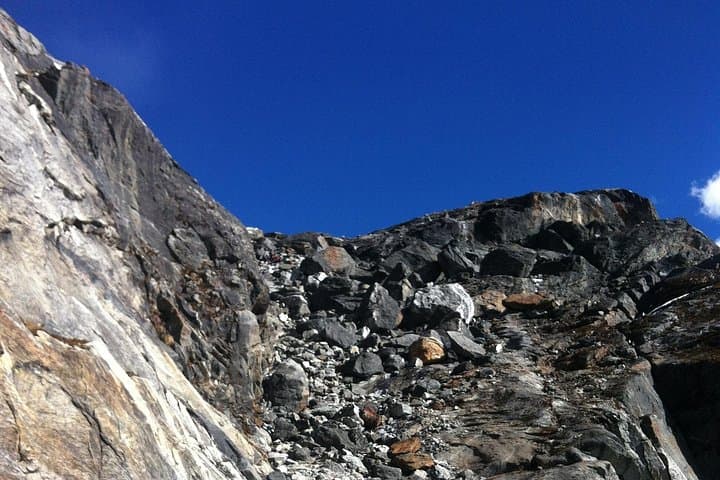
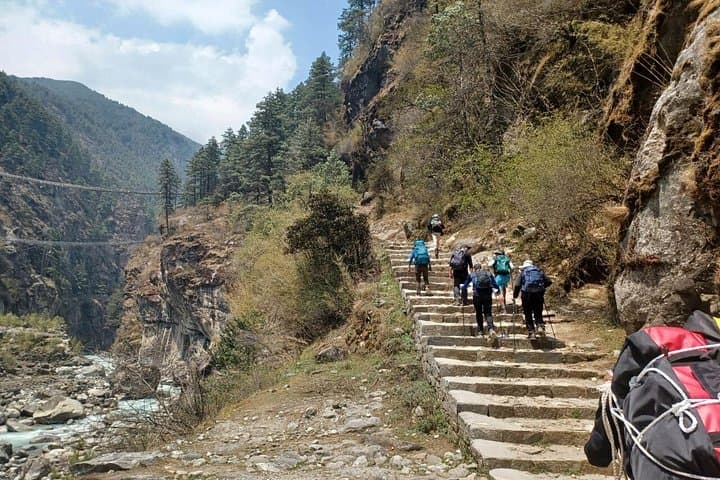
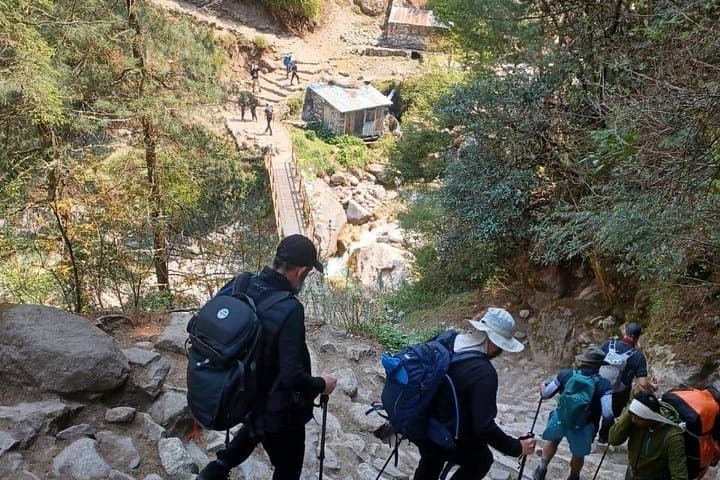
Expect varied terrain: suspension bridges, rocky switchbacks, scree approaches near Gorak Shep and a final ascent to Kala Patthar for a panoramic sunrise over Everest. Cultural notes thread the route — mani walls, monastery rituals and tea houses that serve as social hubs and acclimatization stations.
Practically, the hike requires steady boots, layers for large diurnal swings and a paced ascent to limit altitude strain. Daily walking ranges from 4–8 hours; key acclimatization days in Namche and Dingboche reduce risk. Flights to and from Lukla are weather dependent; build flexibility into your schedule. Carry a basic first aid kit, water treatment and cash for remote village purchases.
By the time you descend back to Lukla the mountains feel less like distant peaks and more like companions — demanding, frank and oddly intimate. The trek is as much a test of altitude and logistics as it is a study in high‑altitude community life.
challenging.
12–14 days.
Good aerobic fitness and prior multi‑day hiking experience recommended; ability to walk 4–8 hours on consecutive days.
Late spring (March–May) and fall (September–November) offer the most stable weather and best visibility for mountain views.
No — this trek is a non‑technical high‑altitude hike; however, experience with long days of hiking and altitude awareness are important.
Highest points include Kala Patthar (~5,545 m) and EBC area (~5,364 m); altitude sickness can occur, so gradual ascent, hydration and rest days are essential.
Yes — permits include TIMS card and Sagarmatha National Park entry; your operator typically arranges these before departure.
The Khumbu valley developed as a trade and mountaineering corridor; Namche and Tengboche grew alongside 20th‑century expeditions and Sherpa trading networks.
Trekking in Sagarmatha National Park requires permits and follows waste‑management regulations; travelers should pack out plastic, use refillable bottles and support community lodges.
Master Himalaya Treks and Expedition operates guided outdoor trips and adventures with an emphasis on safety, stewardship, and memorable experiences.
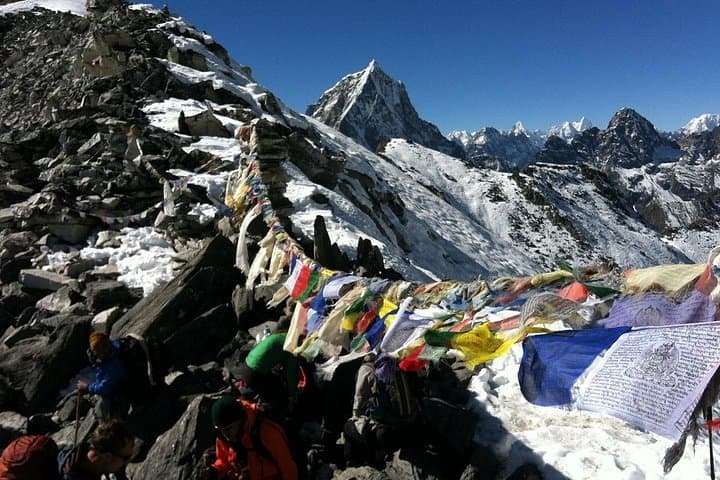
The morning light on the Khumbu washes the trail in hard, pale gold — prayer flags snap overhead as your group steps onto the narrow path that threads willow forests, glacial rivers and stone teahouses. Over 14 days you move from Kathmandu’s bustle to Lukla’s tiny airstrip, then into a highland world where terraces give way to moraine and the air thins.
The morning light on the Khumbu washes the trail in hard, pale gold — prayer flags snap overhead as your group steps onto the narrow path that threads willow forests, glacial rivers and stone teahouses. Over 14 days you move from Kathmandu’s bustle to Lukla’s tiny airstrip, then into a highland world where terraces give way to moraine and the air thins.
This trek follows a route rich in mountaineering history and Sherpa tradition. You pass Namche Bazaar, the trading hub that grew with 20th‑century expeditions, visit Tengboche’s gompa and gain views of Everest, Lhotse and Ama Dablam crafted by Pleistocene uplift and ongoing glacial sculpting.
Expect varied terrain: suspension bridges, rocky switchbacks, scree approaches near Gorak Shep and a final ascent to Kala Patthar for a panoramic sunrise over Everest. Cultural notes thread the route — mani walls, monastery rituals and tea houses that serve as social hubs and acclimatization stations.
Practically, the hike requires steady boots, layers for large diurnal swings and a paced ascent to limit altitude strain. Daily walking ranges from 4–8 hours; key acclimatization days in Namche and Dingboche reduce risk. Flights to and from Lukla are weather dependent; build flexibility into your schedule. Carry a basic first aid kit, water treatment and cash for remote village purchases.
By the time you descend back to Lukla the mountains feel less like distant peaks and more like companions — demanding, frank and oddly intimate. The trek is as much a test of altitude and logistics as it is a study in high‑altitude community life.