THE ADVENTURE COLLECTIVE® · Independent discovery and booking for outdoor travel

A 14-day guided trek from Kathmandu to Everest Base Camp that balances cultural immersion, high-alpine landscapes, and staged acclimatization. Read on for a realistic itinerary, elevation details, and the practical gear and safety tips you need.
A 14-day guided trek from Kathmandu to Everest Base Camp that balances cultural immersion, high-alpine landscapes, and staged acclimatization. Read on for a realistic itinerary, elevation details, and the practical gear and safety tips you need.
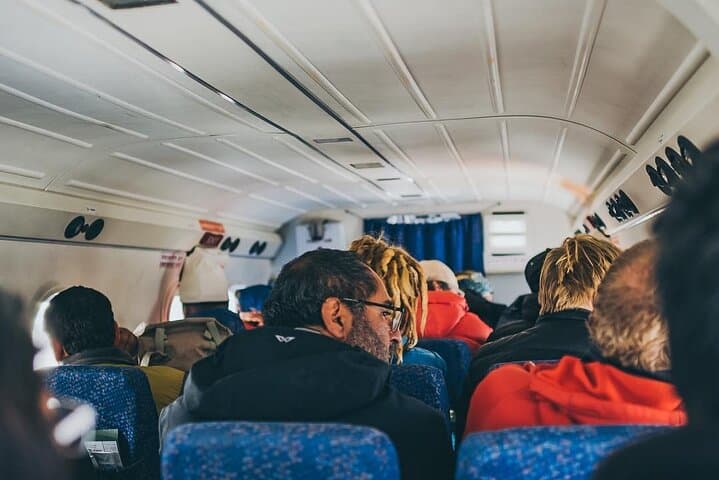
You step off the tiny STOL plane at Lukla into a thin-air morning: prayer flags snap, yaks nudge pack trusses, and a stone path winds up toward the first ridgeline.
Verified experiences and guided adventures in the surrounding area.
Operated by Worldwide Tourism Inc - Highly Recommended Travel Company · Kathmandu, Bagmati Province
You step off the tiny STOL plane at Lukla into a thin-air morning: prayer flags snap, yaks nudge pack trusses, and a stone path winds up toward the first ridgeline.
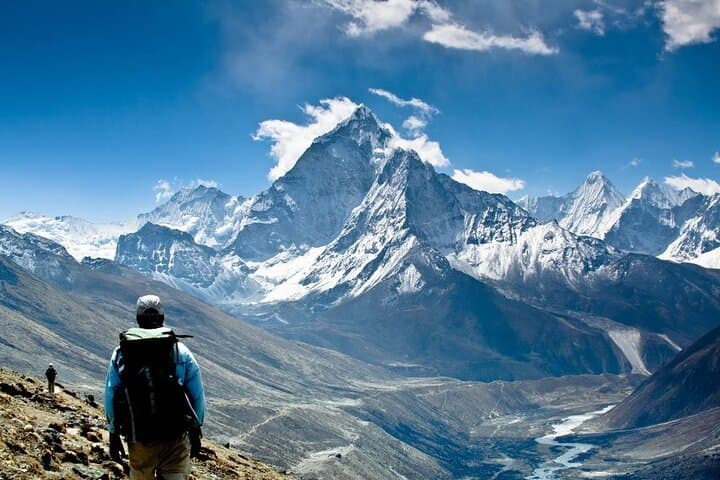
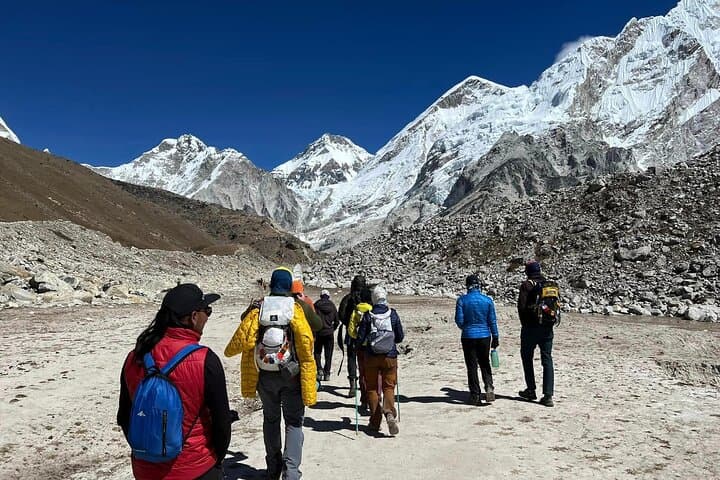
This 14-day itinerary threads ancient Sherpa villages and high Himalayan basins, finishing at Everest Base Camp (5,364 m) with a pre-dawn climb to Kala Patthar for the clearest view of Everest. The route follows Dudh Koshi valley trails, crosses suspension bridges, and rises from 2,860 m (Lukla) to 5,364 m — roughly 120–130 km of walking round trip, with daily ascents commonly 300–700 m and 4–7 hours on the trail.
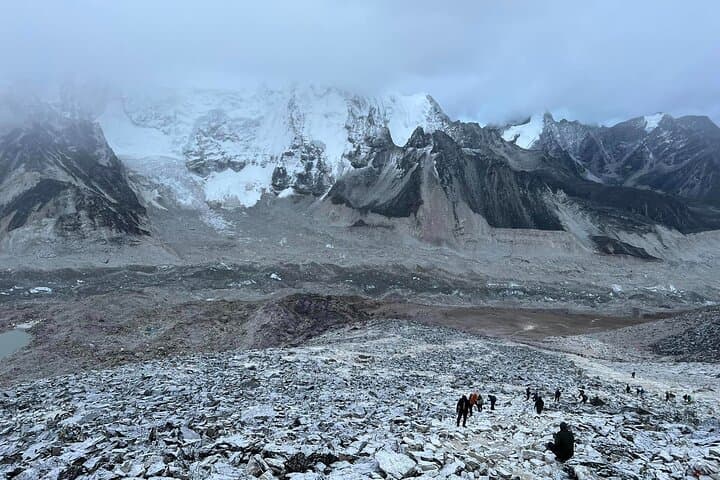
Geologically the Khumbu is young, carved by glaciers and active uplift; the moraine and glacial lakes near Gorak Shep tell that story. Culturally, you move through Sherpa monasteries and markets — Tengboche Gompa and Namche Bazaar offer context: Sagarmatha National Park (a 1979 UNESCO site) protects both nature and culture.
Practical guidance: allow two full acclimatization days (Namche, Dingboche), carry Sagarmatha and TIMS permits (often included), and expect packed-lodge accommodation. Footing ranges from packed dirt and stone steps to loose scree and glacial moraine near EBC. Weather changes fast — early mornings are cold and afternoons can be sunny or snowy.
Pack layered insulation, a 4-season sleeping bag, trekking poles, and a high-calorie snack strategy. Flights to/from Lukla can cancel in bad weather; build buffer time in Kathmandu. Move deliberately, hydrate, and monitor for AMS — the summit is not the point here, steady ascent is.
challenging.
14 days.
Good aerobic fitness and previous multi-day trekking experience recommended; ability to hike 4–7 hours per day with a daypack.
Spring (March–May) and fall (September–November) offer the most stable weather and best views; fall is slightly drier while spring has rhododendron blooms.
Yes — a Sagarmatha National Park permit and a TIMS card are required; many operators include them in the package.
Expect long days with steady elevation gain to 5,364 m; moderate fitness with prior hiking experience and acclimatization is essential.
Altitude sickness is the primary risk — ascend slowly, hydrate, know symptoms, and descend if signs worsen; weather and flight cancellations to Lukla are logistical concerns.
The Khumbu region is the homeland of the Sherpa people and became globally significant after early 20th-century expeditions; Sagarmatha National Park was designated a UNESCO site in 1979.
Trekking impacts include waste and resource strain on remote lodges; use local guides, carry out trash where possible, and support community-run teahouses.
Worldwide Tourism Inc - Highly Recommended Travel Company operates guided outdoor trips and adventures with an emphasis on safety, stewardship, and memorable experiences.
You step off the tiny STOL plane at Lukla into a thin-air morning: prayer flags snap, yaks nudge pack trusses, and a stone path winds up toward the first ridgeline.
You step off the tiny STOL plane at Lukla into a thin-air morning: prayer flags snap, yaks nudge pack trusses, and a stone path winds up toward the first ridgeline.
This 14-day itinerary threads ancient Sherpa villages and high Himalayan basins, finishing at Everest Base Camp (5,364 m) with a pre-dawn climb to Kala Patthar for the clearest view of Everest. The route follows Dudh Koshi valley trails, crosses suspension bridges, and rises from 2,860 m (Lukla) to 5,364 m — roughly 120–130 km of walking round trip, with daily ascents commonly 300–700 m and 4–7 hours on the trail.
Geologically the Khumbu is young, carved by glaciers and active uplift; the moraine and glacial lakes near Gorak Shep tell that story. Culturally, you move through Sherpa monasteries and markets — Tengboche Gompa and Namche Bazaar offer context: Sagarmatha National Park (a 1979 UNESCO site) protects both nature and culture.
Practical guidance: allow two full acclimatization days (Namche, Dingboche), carry Sagarmatha and TIMS permits (often included), and expect packed-lodge accommodation. Footing ranges from packed dirt and stone steps to loose scree and glacial moraine near EBC. Weather changes fast — early mornings are cold and afternoons can be sunny or snowy.
Pack layered insulation, a 4-season sleeping bag, trekking poles, and a high-calorie snack strategy. Flights to/from Lukla can cancel in bad weather; build buffer time in Kathmandu. Move deliberately, hydrate, and monitor for AMS — the summit is not the point here, steady ascent is.