THE ADVENTURE COLLECTIVE® · Independent discovery and booking for outdoor travel

A 14-day, all-inclusive trek from Kathmandu to Everest Base Camp that combines Sherpa culture, high-altitude acclimatization, and glacier-side viewpoints. Expect long days, variable weather, and unmatched mountain panoramas.
A 14-day, all-inclusive trek from Kathmandu to Everest Base Camp that combines Sherpa culture, high-altitude acclimatization, and glacier-side viewpoints. Expect long days, variable weather, and unmatched mountain panoramas.
You step off the Lukla flight and the air immediately feels different: thin, cold, charged. Stone-paved trails thread through villages where prayer flags tug at the wind and yaks carry the day’s supplies. Over the next two weeks the Khumbu will push and reward you in equal measure — sharp ridgelines, glacial moraines, and the sudden hush of alpine evenings beneath Everest’s shadow.
Verified experiences and guided adventures in the surrounding area.
Operated by Swotah Travel and Adventure Pvt. Ltd. · Kathmandu, Bagmati Province
You step off the Lukla flight and the air immediately feels different: thin, cold, charged. Stone-paved trails thread through villages where prayer flags tug at the wind and yaks carry the day’s supplies. Over the next two weeks the Khumbu will push and reward you in equal measure — sharp ridgelines, glacial moraines, and the sudden hush of alpine evenings beneath Everest’s shadow.
The route follows a living corridor of Sherpa culture and high-altitude geology. Trails trace ancient trade routes and skirt the terminal moraine of the Khumbu Glacier; Sagarmatha National Park, a UNESCO site, protects fragile alpine ecosystems and the traditions of mountain communities. Monasteries like Tengboche have been spiritual waypoints for centuries, and the Khumbu’s stone teahouses are where the region’s stories are traded over cups of salty tea.
Expect steady uphill days, long switchbacks, and marked elevation gains — Namche Bazaar at 3,450m and Dingboche at 4,410m are key acclimatization stops before the exposed climbs to Lobuche, Gorak Shep and Kala Patthar (5,545m). The final approach to Everest Base Camp is glacial, often boulder-strewn and windy; Kala Patthar delivers the clearest sunrise view of Everest.
Practical edge: allow extra days for Lukla flights, prioritize slow ascents for acclimatization, and pack layered insulation and a reliable sleeping bag rated for -10°C or colder. Hydration, steady pacing, and respect for local customs make this demanding but accessible trek — non-technical, profoundly rewarding, and unforgettable.
challenging.
14 days.
You should be in good aerobic shape with experience on multi-day hikes; expect 4–8 hours of trekking on many days and high-altitude exposure.
No technical climbing skills are required; the route is a strenuous high-altitude trek rather than a climb, but experience with multi-day trekking and altitude awareness is important.
Pre-monsoon (March–May) and post-monsoon (September–November) offer the most stable weather and clearest views; winter is colder and riskier, summer brings clouds and snow at elevation.
The standard 14-day itinerary includes two dedicated acclimatization days (Namche and Dingboche) and a gradual ascent profile to reduce altitude-related risks.
Flights are weather-dependent and often delayed or canceled; most itineraries advise spare days or contingency plans for rerouted flights via Ramechhap.
The Khumbu has long been home to Sherpa communities and traded routes; Sagarmatha National Park was designated a UNESCO site in 1979 to protect its cultural and natural heritage.
Trekking concentrates impact on narrow trails and teahouses—pack out plastics where possible, use local guides and lodge services to support sustainable livelihoods, and respect park permit rules.
Swotah Travel and Adventure Pvt. Ltd. operates guided outdoor trips and adventures with an emphasis on safety, stewardship, and memorable experiences.
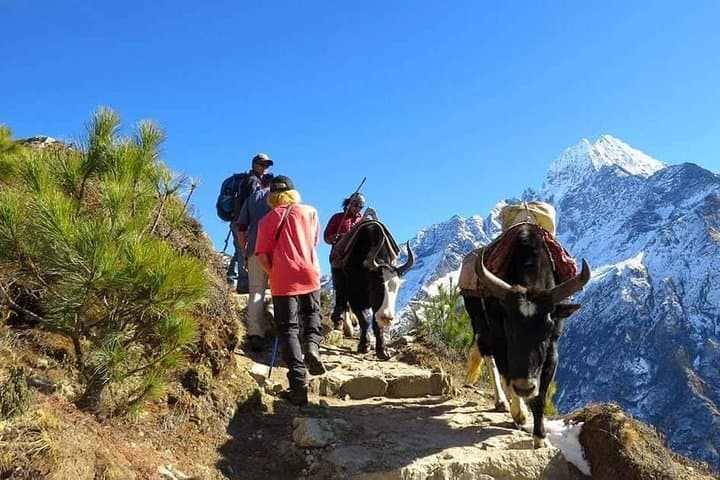
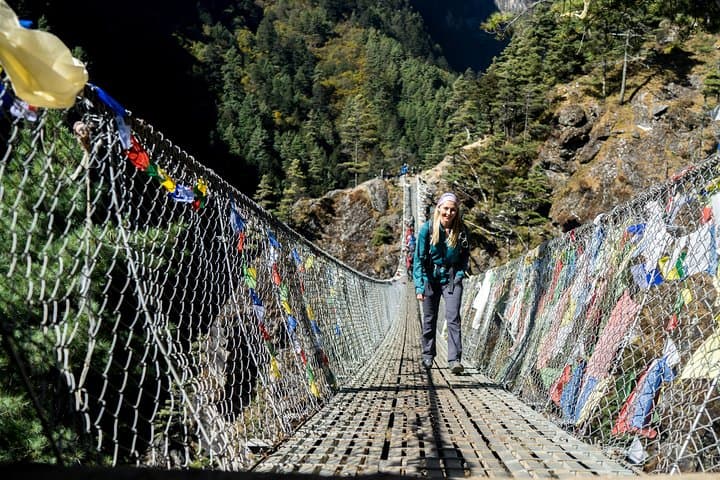
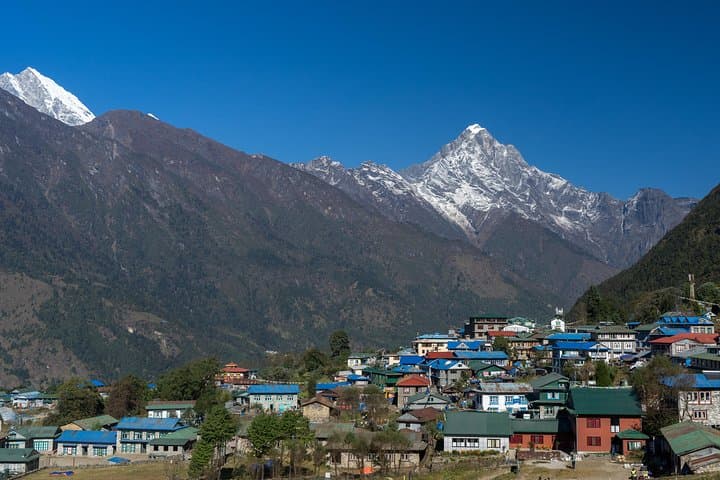
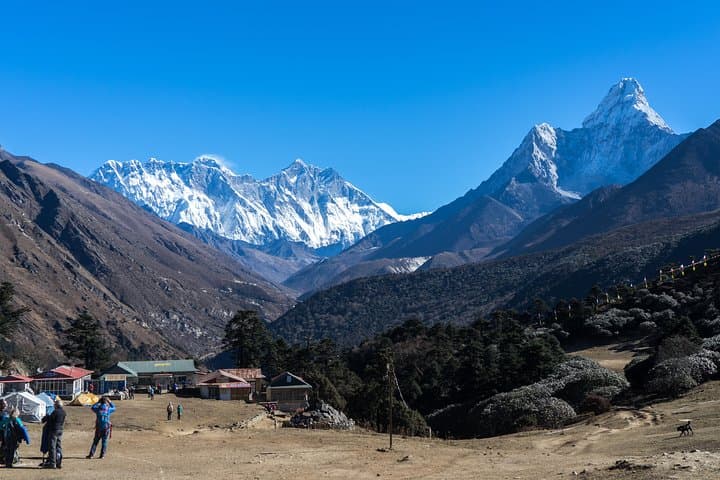
You step off the Lukla flight and the air immediately feels different: thin, cold, charged. Stone-paved trails thread through villages where prayer flags tug at the wind and yaks carry the day’s supplies. Over the next two weeks the Khumbu will push and reward you in equal measure — sharp ridgelines, glacial moraines, and the sudden hush of alpine evenings beneath Everest’s shadow.
You step off the Lukla flight and the air immediately feels different: thin, cold, charged. Stone-paved trails thread through villages where prayer flags tug at the wind and yaks carry the day’s supplies. Over the next two weeks the Khumbu will push and reward you in equal measure — sharp ridgelines, glacial moraines, and the sudden hush of alpine evenings beneath Everest’s shadow.
The route follows a living corridor of Sherpa culture and high-altitude geology. Trails trace ancient trade routes and skirt the terminal moraine of the Khumbu Glacier; Sagarmatha National Park, a UNESCO site, protects fragile alpine ecosystems and the traditions of mountain communities. Monasteries like Tengboche have been spiritual waypoints for centuries, and the Khumbu’s stone teahouses are where the region’s stories are traded over cups of salty tea.
Expect steady uphill days, long switchbacks, and marked elevation gains — Namche Bazaar at 3,450m and Dingboche at 4,410m are key acclimatization stops before the exposed climbs to Lobuche, Gorak Shep and Kala Patthar (5,545m). The final approach to Everest Base Camp is glacial, often boulder-strewn and windy; Kala Patthar delivers the clearest sunrise view of Everest.
Practical edge: allow extra days for Lukla flights, prioritize slow ascents for acclimatization, and pack layered insulation and a reliable sleeping bag rated for -10°C or colder. Hydration, steady pacing, and respect for local customs make this demanding but accessible trek — non-technical, profoundly rewarding, and unforgettable.