THE ADVENTURE COLLECTIVE® · Independent discovery and booking for outdoor travel

A complete 14-day trekking route from Kathmandu to Everest Base Camp and Kala Patthar, this classic Himalayan journey combines high-altitude scenery, Sherpa culture, and glacier-formed terrain. Learn what to expect on the trail, how to acclimatize, and essential gear to bring.
A complete 14-day trekking route from Kathmandu to Everest Base Camp and Kala Patthar, this classic Himalayan journey combines high-altitude scenery, Sherpa culture, and glacier-formed terrain. Learn what to expect on the trail, how to acclimatize, and essential gear to bring.
The air is thin and bright as a trekker crosses the last suspension bridge before Namche Bazaar, prayer flags snapping like small alarms against a sky that seems to push the mountains up a notch. The trail alternates between rhododendron-shaded pitches and rocky moraine; rivers dare you to follow their noise toward higher camps.
Verified experiences and guided adventures in the surrounding area.
Operated by All Himalayan Treks And Tour Pvt. ltd · Lukla, Province No. 1
The air is thin and bright as a trekker crosses the last suspension bridge before Namche Bazaar, prayer flags snapping like small alarms against a sky that seems to push the mountains up a notch. The trail alternates between rhododendron-shaded pitches and rocky moraine; rivers dare you to follow their noise toward higher camps.
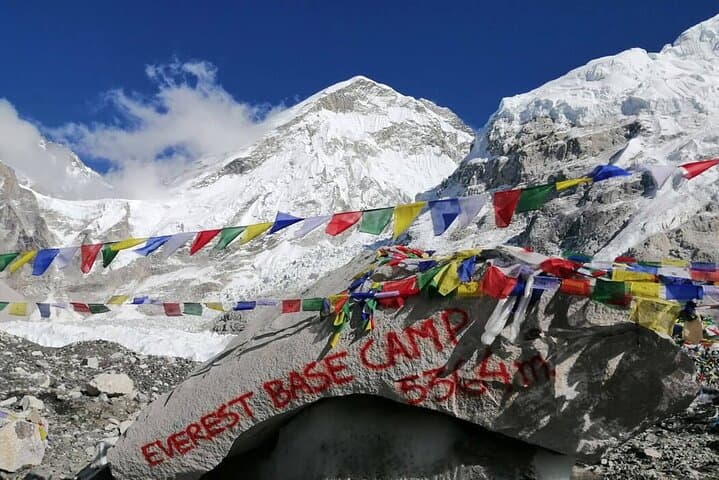
This 14-day itinerary follows the classic Kathmandu–Lukla–Everest Base Camp route, climbing from ~1,300 m in Kathmandu to Kala Patthar at 5,555 m. The route threads Sagarmatha National Park, formed by tectonic uplift and sculpted by glaciers, and passes Sherpa villages whose Buddhist monasteries and mani walls reflect centuries of mountaineering and trade. Geological features include lateral moraines, the Khumbu Glacier’s crevassed blue ice, and high alpine scree sections around Lobuche.
Cultural stops—Namche Bazaar’s markets, Tengboche Monastery’s morning prayers—offer insight into Sherpa life and Himalayan spiritual practices. Expect teahouse lodging most nights, shared meals, and group acclimatization days (Namche, Dingboche, Nangkartshang).
Practical guidance: fly Kathmandu–Lukla when weather permits; flights are often delayed. Pack layered technical clothing, broken-in boots, and sun and cold protection. Hydrate, ascend slowly, and watch for acute mountain sickness—altitude is the variable that governs pace here. Best windows are spring (March–May) and autumn (Sept–Nov) for stable weather and clear views. Plan flexible buffer days, bring copies of permits (Sagarmatha NP, TIMS) and travel insurance that covers high-altitude evacuation. With preparation and respect for the mountain’s rules, this trek delivers sustained high-altitude landscapes and a clear line of sight to Everest itself.
challenging.
12–14 days (trekking portions vary; longest days 7–8 hours).
Good aerobic fitness with experience on multi-day hikes; ability to carry a 6–10 kg daypack and handle long uphill sections at altitude.
Yes—trekkers require Sagarmatha National Park entry permit and a TIMS card; guides or operators usually arrange these before the trek.
Spring (March–May) and autumn (September–November) offer the most stable weather and clear mountain views; monsoon and deep winter bring more risks.
It’s a primary risk—symptoms range from headache and nausea to more severe AMS; follow acclimatization schedules, hydrate, and descend if symptoms worsen.
Teahouses provide basic twin rooms, blankets, and simple meals; heating is limited at higher elevations and hot showers may be scarce or paid.
The Khumbu region is home to the Sherpa people, whose trade routes and monastery traditions grew alongside early mountaineering expeditions in the 20th century.
Sagarmatha National Park enforces permits and limits to protect fragile alpine habitats; trekkers should pack out waste and minimize fuel wood use by preferring communal meals and local conservation practices.
All Himalayan Treks And Tour Pvt. ltd operates guided outdoor trips and adventures with an emphasis on safety, stewardship, and memorable experiences.
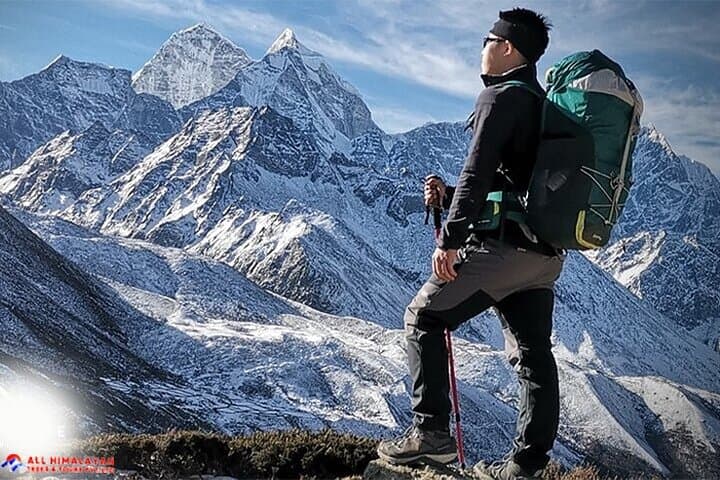
The air is thin and bright as a trekker crosses the last suspension bridge before Namche Bazaar, prayer flags snapping like small alarms against a sky that seems to push the mountains up a notch. The trail alternates between rhododendron-shaded pitches and rocky moraine; rivers dare you to follow their noise toward higher camps.
The air is thin and bright as a trekker crosses the last suspension bridge before Namche Bazaar, prayer flags snapping like small alarms against a sky that seems to push the mountains up a notch. The trail alternates between rhododendron-shaded pitches and rocky moraine; rivers dare you to follow their noise toward higher camps.
This 14-day itinerary follows the classic Kathmandu–Lukla–Everest Base Camp route, climbing from ~1,300 m in Kathmandu to Kala Patthar at 5,555 m. The route threads Sagarmatha National Park, formed by tectonic uplift and sculpted by glaciers, and passes Sherpa villages whose Buddhist monasteries and mani walls reflect centuries of mountaineering and trade. Geological features include lateral moraines, the Khumbu Glacier’s crevassed blue ice, and high alpine scree sections around Lobuche.
Cultural stops—Namche Bazaar’s markets, Tengboche Monastery’s morning prayers—offer insight into Sherpa life and Himalayan spiritual practices. Expect teahouse lodging most nights, shared meals, and group acclimatization days (Namche, Dingboche, Nangkartshang).
Practical guidance: fly Kathmandu–Lukla when weather permits; flights are often delayed. Pack layered technical clothing, broken-in boots, and sun and cold protection. Hydrate, ascend slowly, and watch for acute mountain sickness—altitude is the variable that governs pace here. Best windows are spring (March–May) and autumn (Sept–Nov) for stable weather and clear views. Plan flexible buffer days, bring copies of permits (Sagarmatha NP, TIMS) and travel insurance that covers high-altitude evacuation. With preparation and respect for the mountain’s rules, this trek delivers sustained high-altitude landscapes and a clear line of sight to Everest itself.