THE ADVENTURE COLLECTIVE® · Independent discovery and booking for outdoor travel

Follow wise old elephants through Moremi, Khwai, Savuti, the Okavango channels and Chobe on a 14-day walking and mobile-camping safari. Expect early starts, hands-on spoor work, and concentrated wildlife viewing in one of Africa’s richest wetland networks.
Follow wise old elephants through Moremi, Khwai, Savuti, the Okavango channels and Chobe on a 14-day walking and mobile-camping safari. Expect early starts, hands-on spoor work, and concentrated wildlife viewing in one of Africa’s richest wetland networks.
Dawn light slides across a flat horizon as you move quietly through mopane and floodplain grass—boots whispering on dry earth while distant trunks break the skyline. This is northern Botswana: a landscape of channels, islands and pans where elephants leave the day’s story written in mud and crushed reed.
Verified experiences and guided adventures in the surrounding area.
Operated by Action Safari · Maun, Ngamiland (North-West District)
Dawn light slides across a flat horizon as you move quietly through mopane and floodplain grass—boots whispering on dry earth while distant trunks break the skyline. This is northern Botswana: a landscape of channels, islands and pans where elephants leave the day’s story written in mud and crushed reed.
The route threads Moremi, Khwai, Savuti, the central Okavango channels and Chobe country. Geologically the region is part of the Kalahari Basin, its shallow waters fed each year by the Angolan highlands; seasonal floods drive migrations and concentrate wildlife around permanent channels. Culturally you'll encounter communities with deep ties to the land and a guiding tradition that blends colonial-era safari craft with local bush knowledge.
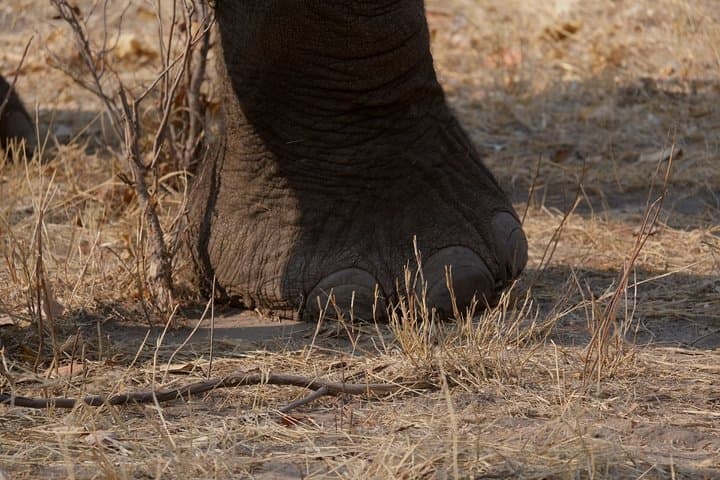
On a tracking-focused walking safari you learn to read spoor, shadow and broken bark. Guides teach spoor identification, silent approach techniques, and where to stand for photographs without altering animal behavior. Night camps shift with the herds—simple canvas at cleared sites, shared meals and briefings around an open fire.
Practically: mornings start before sunrise for cool tracking and best light; afternoons are for drives and birding. Expect basic but secure mobile camping, shared facilities and full-board meals. Bring layered clothing for hot days and cold mornings, durable footwear, rain protection in summer and insect repellent year-round. Fitness demands are steady but not extreme—this is persistent walking across uneven ground, not mountaineering.
Tracking elephants is patient work: it rewards quiet observation and respect for an animal that often decides the terms of contact. Follow your guide, keep group size small, and let the landscape teach you its rhythms.
moderate.
14 days.
Able to walk several hours most mornings over uneven terrain and endure long vehicle transfers; not technically demanding.
You should be comfortable walking for 2–4 hours at a time over uneven ground and stepping over channels; guides pace walks for the group and rest is frequent.
Mobile camping at cleared sites with canvas tents or trailers; facilities are basic but secure with shared meal times and hot water when available.
Dry winter months (June–August) concentrate elephants near water and make sightings more reliable, but the tracking experience is rewarding year-round with different conditions.
Minimum group size rules apply and suitability for children depends on age and ability to follow safety briefings—check with the operator for age limits and family arrangements.
The Okavango and surrounding reserves have been central to Botswana’s conservation model, where community-managed areas and protected reserves evolved to balance wildlife and livelihoods.
Operators work within protected-area rules and low-impact camping practices; stick to guide instructions, minimise noise, and avoid leaving any waste to reduce disturbance.
Action Safari operates guided outdoor trips and adventures with an emphasis on safety, stewardship, and memorable experiences.
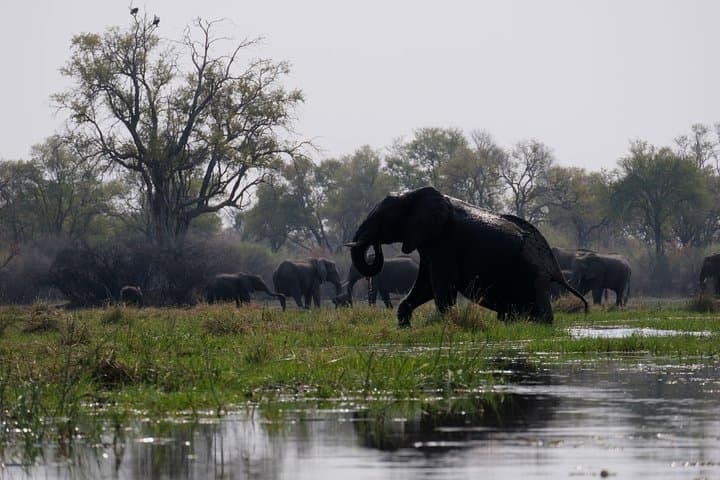
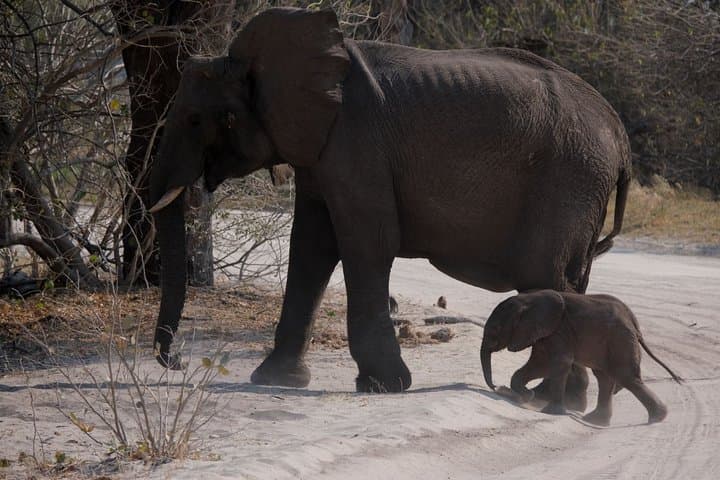
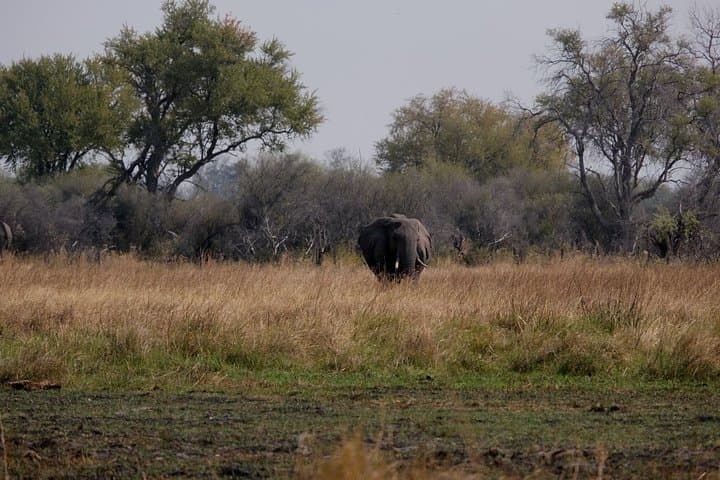
Dawn light slides across a flat horizon as you move quietly through mopane and floodplain grass—boots whispering on dry earth while distant trunks break the skyline. This is northern Botswana: a landscape of channels, islands and pans where elephants leave the day’s story written in mud and crushed reed.
Dawn light slides across a flat horizon as you move quietly through mopane and floodplain grass—boots whispering on dry earth while distant trunks break the skyline. This is northern Botswana: a landscape of channels, islands and pans where elephants leave the day’s story written in mud and crushed reed.
The route threads Moremi, Khwai, Savuti, the central Okavango channels and Chobe country. Geologically the region is part of the Kalahari Basin, its shallow waters fed each year by the Angolan highlands; seasonal floods drive migrations and concentrate wildlife around permanent channels. Culturally you'll encounter communities with deep ties to the land and a guiding tradition that blends colonial-era safari craft with local bush knowledge.
On a tracking-focused walking safari you learn to read spoor, shadow and broken bark. Guides teach spoor identification, silent approach techniques, and where to stand for photographs without altering animal behavior. Night camps shift with the herds—simple canvas at cleared sites, shared meals and briefings around an open fire.
Practically: mornings start before sunrise for cool tracking and best light; afternoons are for drives and birding. Expect basic but secure mobile camping, shared facilities and full-board meals. Bring layered clothing for hot days and cold mornings, durable footwear, rain protection in summer and insect repellent year-round. Fitness demands are steady but not extreme—this is persistent walking across uneven ground, not mountaineering.
Tracking elephants is patient work: it rewards quiet observation and respect for an animal that often decides the terms of contact. Follow your guide, keep group size small, and let the landscape teach you its rhythms.