THE ADVENTURE COLLECTIVE® · Independent discovery and booking for outdoor travel

A 14-day overland loop from Cairo to Aswan that pairs iconic ancient sites with the otherworldly White and Black Deserts. Expect coach transfers, a sleeper train, desert jeep safaris and expert Egyptology guides.
A 14-day overland loop from Cairo to Aswan that pairs iconic ancient sites with the otherworldly White and Black Deserts. Expect coach transfers, a sleeper train, desert jeep safaris and expert Egyptology guides.
You step from a Cairo hotel into a dry wind that seems to push you toward the Nile, and the city shrinks behind the bus as the river unfurls its slow ribbon through Upper Egypt.
Verified experiences and guided adventures in the surrounding area.
Operated by Great Egypt travel · Cairo, Cairo Governorate
You step from a Cairo hotel into a dry wind that seems to push you toward the Nile, and the city shrinks behind the bus as the river unfurls its slow ribbon through Upper Egypt.
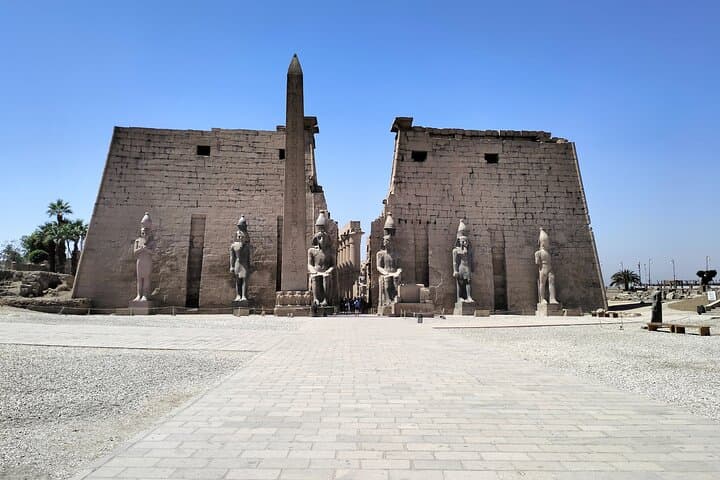
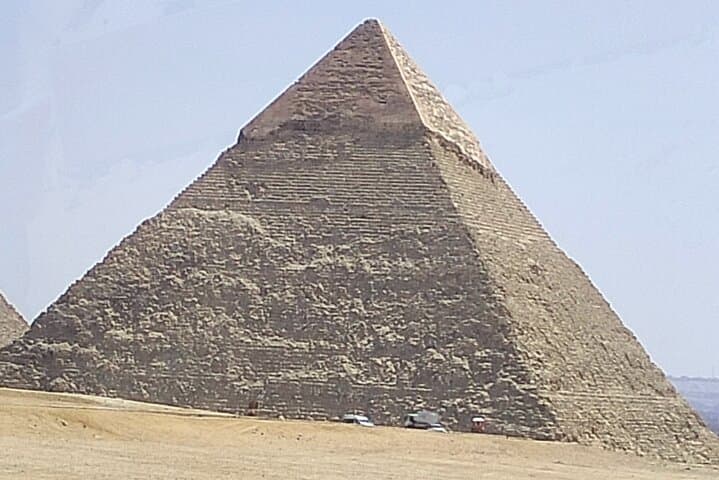
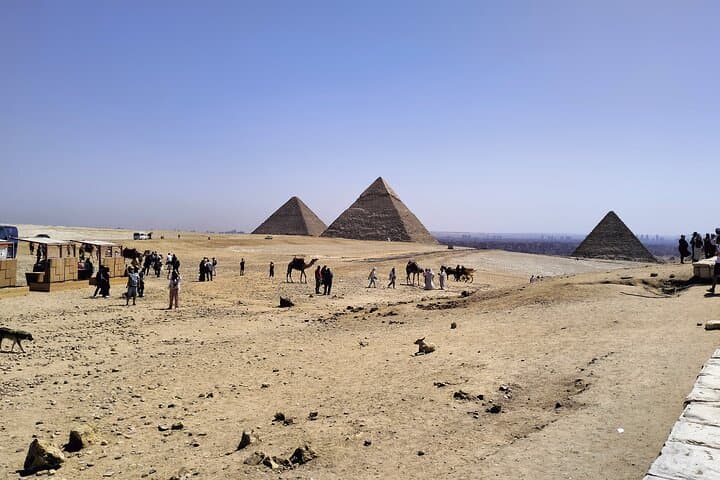
This 14-day loop threads Giza, the White and Black Deserts, El Minya, Luxor and Aswan—places where layered history meets stark geology. The pyramids and the Grand Egyptian Museum introduce the Pharaonic spectacle; farther south, Karnak’s avenue of sphinxes and the painted tombs of the Valley of the Kings show the Nile’s long role as both road and lifeline. The White Desert’s chalk formations and the basalt-strewn Black Desert read like a geological field notebook of wind, water and volcanic residue reshaped over millennia.
Culture arrives in small details: Bedouin tea at sunset on a desert ridge, Nubian house facades in Aswan, artisans weaving carpets in Upper Egypt. The sleeper train between Aswan and Giza is part of the travel’s rhythm—overnight movement that keeps you moving while you rest.
Practically, expect full days with coach transfers, guided temple visits, guided jeep safaris, and a mix of 4–5 star hotels, guesthouses and desert accommodations. Plan sunscreen, layered clothing for cool desert nights, and sturdy shoes for uneven temple stone and sand. Carry photocopies of travel documents for checkpoints, keep local cash for small purchases, and allow time for slow moments at riverside corniche cafés. This is a travel pace that rewards curiosity and patience—bring both.
moderate.
14 days.
Suitable for travelers in average fitness; expect long days with walking on uneven surfaces and some stair/climb at temple sites
Yes—it’s designed for a general audience with guided visits to major sites and included logistics; you’ll move at a steady paced itinerary.
Most breakfasts and many lunches/dinners are included; admission to specific attractions noted in itinerary may or may not be included—confirm with the operator before booking.
Yes—the operator can handle vegetarian, vegan and gluten-free requests if indicated at booking.
They require moderate mobility—walking on uneven ground, climbing short stairways at temples, and boarding 4×4 vehicles for desert drives.
The route follows the Nile corridor that supported pharaonic capitals and temples for millennia; Upper Egypt retains many provincial sites less visited than Cairo’s monuments.
Touring sensitive archaeological sites requires no-touch policies and staying on paths; choose local guides and small-group activities to minimize impact on fragile desert and temple environments.
Great Egypt travel operates guided outdoor trips and adventures with an emphasis on safety, stewardship, and memorable experiences.
You step from a Cairo hotel into a dry wind that seems to push you toward the Nile, and the city shrinks behind the bus as the river unfurls its slow ribbon through Upper Egypt.
You step from a Cairo hotel into a dry wind that seems to push you toward the Nile, and the city shrinks behind the bus as the river unfurls its slow ribbon through Upper Egypt.
This 14-day loop threads Giza, the White and Black Deserts, El Minya, Luxor and Aswan—places where layered history meets stark geology. The pyramids and the Grand Egyptian Museum introduce the Pharaonic spectacle; farther south, Karnak’s avenue of sphinxes and the painted tombs of the Valley of the Kings show the Nile’s long role as both road and lifeline. The White Desert’s chalk formations and the basalt-strewn Black Desert read like a geological field notebook of wind, water and volcanic residue reshaped over millennia.
Culture arrives in small details: Bedouin tea at sunset on a desert ridge, Nubian house facades in Aswan, artisans weaving carpets in Upper Egypt. The sleeper train between Aswan and Giza is part of the travel’s rhythm—overnight movement that keeps you moving while you rest.
Practically, expect full days with coach transfers, guided temple visits, guided jeep safaris, and a mix of 4–5 star hotels, guesthouses and desert accommodations. Plan sunscreen, layered clothing for cool desert nights, and sturdy shoes for uneven temple stone and sand. Carry photocopies of travel documents for checkpoints, keep local cash for small purchases, and allow time for slow moments at riverside corniche cafés. This is a travel pace that rewards curiosity and patience—bring both.