THE ADVENTURE COLLECTIVE® · Independent discovery and booking for outdoor travel

Travel from Beijing’s imperial heart to the Yangtze’s carved gorges on a 14-day private tour that mixes high-speed trains, city walking tours and a multi-day river cruise. Expect curated cultural visits, panda encounters, and guided small-boat forays into the Three Gorges.
Travel from Beijing’s imperial heart to the Yangtze’s carved gorges on a 14-day private tour that mixes high-speed trains, city walking tours and a multi-day river cruise. Expect curated cultural visits, panda encounters, and guided small-boat forays into the Three Gorges.
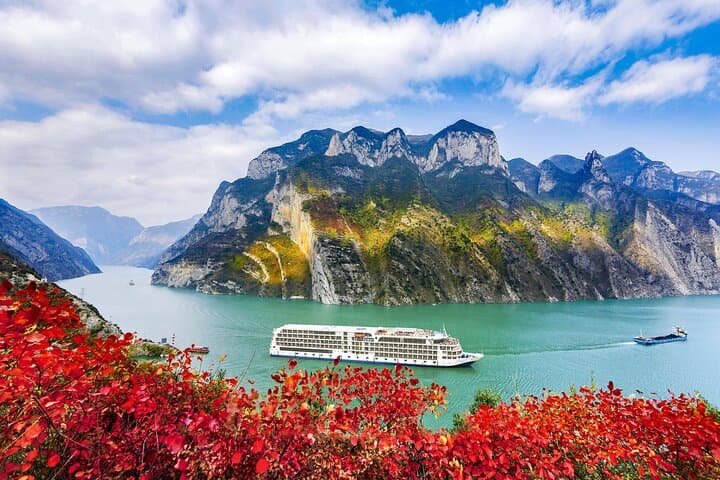
A low-slung ship slips from Chongqing’s industrial lights into the wide, slow current of the Yangtze; behind it, a patchwork of cities—Beijing’s imperial silhouette, Xi’an’s buried army, Chengdu’s bamboo-fed valleys—unfold across two weeks. Travelers spend mornings on stone-paved courtyards and afternoons on teak decks, trading the clatter of metro stations for the river’s steady push.
Verified experiences and guided adventures in the surrounding area.
Operated by China Pleasure Tour Co,. Ltd. · Chongqing, Chongqing
A low-slung ship slips from Chongqing’s industrial lights into the wide, slow current of the Yangtze; behind it, a patchwork of cities—Beijing’s imperial silhouette, Xi’an’s buried army, Chengdu’s bamboo-fed valleys—unfold across two weeks. Travelers spend mornings on stone-paved courtyards and afternoons on teak decks, trading the clatter of metro stations for the river’s steady push.
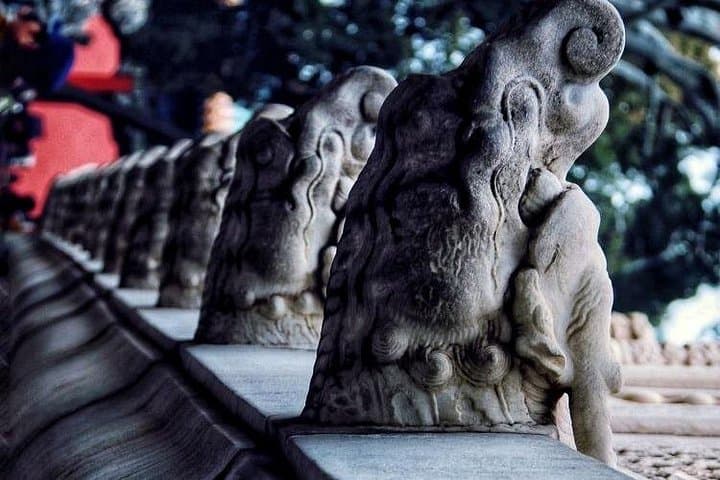
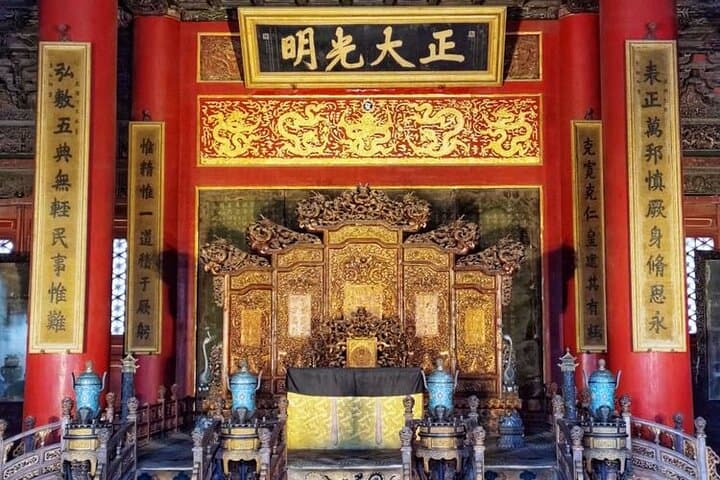
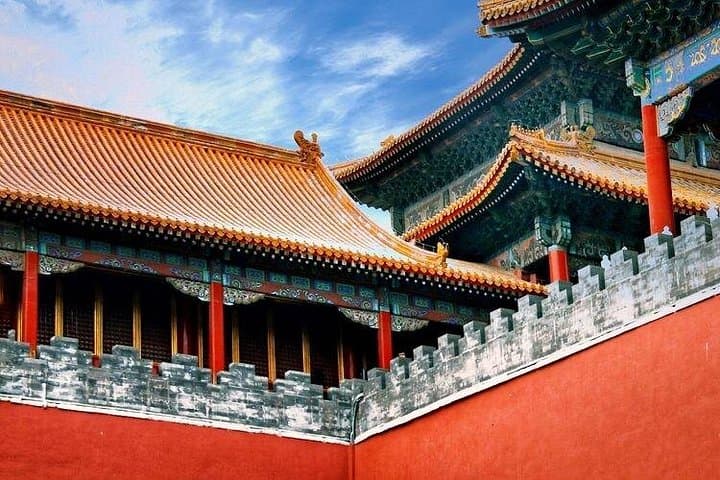
This route stitches imperial history to millennia-old hydrology: the Forbidden City’s wooden halls and the Terracotta Army’s clay ranks speak to centralized dynasties, while the Three Gorges carve a geological narrative of uplift and erosion, where limestone cliffs and narrow gorges focus the river into sudden, dramatic corridors. Cultural threads run through markets, temple rituals, Sichuan teahouses and the panda-breeding research center in Chengdu.
Expect layered experiences—high-speed trains between megacities, guided walks on Mutianyu Great Wall, a small-boat excursion into the Daning River’s side gorges, and ashore visits to Fengdu’s temples and Dazu’s cliff carvings. Onboard, cabins are functional; days are paced around shore excursions with local guides.
Practical guidance: pack for variable climates—Beijing’s spring winds, humid Yangtze summers, cool nights atop the river’s deck. Plan for steady walking at archaeological sites and cobbled hutongs; bring motion-sickness remedies for small-boat gorges. Confirm passport, timed flights, and local currency ahead of departure. With a mix of urban and riverborne travel, this itinerary balances cultural depth and easy logistics for travelers who want wide-ranging exposure to China’s landscapes and history.
easy.
14 days.
Suitable for travelers with average mobility; involves regular walking tours, stairs at historical sites and short transfers to boats.
Most travelers require a Chinese visa—obtain it before travel and ensure passport validity of at least six months; the tour operator cannot provide visas.
Excursions are moderate: expect walking on uneven surfaces, stairs at the Great Wall and museum grounds; pace is adjustable for most guests.
The package includes a standard cruise cabin (three-star level); cabins are modest with private facilities—upgrades may be available through the operator.
Commercial cruises operate on regulated river channels with experienced captains; small-boat shore excursions follow safety briefings and local guidelines.
The itinerary threads imperial capitals—Beijing and Xi’an—with the Yangtze’s role as China’s historic artery; the Three Gorges region shaped local economies and strategic routes for centuries.
Hydroelectric projects and tourism have altered river ecology; responsible tours support protected-area rules and Chengdu’s captive-breeding programs that bolster panda conservation.
China Pleasure Tour Co,. Ltd. operates guided outdoor trips and adventures with an emphasis on safety, stewardship, and memorable experiences.
A low-slung ship slips from Chongqing’s industrial lights into the wide, slow current of the Yangtze; behind it, a patchwork of cities—Beijing’s imperial silhouette, Xi’an’s buried army, Chengdu’s bamboo-fed valleys—unfold across two weeks. Travelers spend mornings on stone-paved courtyards and afternoons on teak decks, trading the clatter of metro stations for the river’s steady push.
A low-slung ship slips from Chongqing’s industrial lights into the wide, slow current of the Yangtze; behind it, a patchwork of cities—Beijing’s imperial silhouette, Xi’an’s buried army, Chengdu’s bamboo-fed valleys—unfold across two weeks. Travelers spend mornings on stone-paved courtyards and afternoons on teak decks, trading the clatter of metro stations for the river’s steady push.
This route stitches imperial history to millennia-old hydrology: the Forbidden City’s wooden halls and the Terracotta Army’s clay ranks speak to centralized dynasties, while the Three Gorges carve a geological narrative of uplift and erosion, where limestone cliffs and narrow gorges focus the river into sudden, dramatic corridors. Cultural threads run through markets, temple rituals, Sichuan teahouses and the panda-breeding research center in Chengdu.
Expect layered experiences—high-speed trains between megacities, guided walks on Mutianyu Great Wall, a small-boat excursion into the Daning River’s side gorges, and ashore visits to Fengdu’s temples and Dazu’s cliff carvings. Onboard, cabins are functional; days are paced around shore excursions with local guides.
Practical guidance: pack for variable climates—Beijing’s spring winds, humid Yangtze summers, cool nights atop the river’s deck. Plan for steady walking at archaeological sites and cobbled hutongs; bring motion-sickness remedies for small-boat gorges. Confirm passport, timed flights, and local currency ahead of departure. With a mix of urban and riverborne travel, this itinerary balances cultural depth and easy logistics for travelers who want wide-ranging exposure to China’s landscapes and history.