THE ADVENTURE COLLECTIVE® · Independent discovery and booking for outdoor travel

A two-week loop from Casablanca through Morocco’s imperial cities, Atlas passes and the Sahara—mixing riad stays, short hikes, and a camel-led night under the dunes. Expect long scenic drives, cultural immersion, and desert bivouac experiences.
A two-week loop from Casablanca through Morocco’s imperial cities, Atlas passes and the Sahara—mixing riad stays, short hikes, and a camel-led night under the dunes. Expect long scenic drives, cultural immersion, and desert bivouac experiences.
You step from Casablanca’s wide boulevards into a different tempo—mosaic-tiled riads, the smell of spices, and the slow silhouette of dunes on the horizon. Over 14 days this route stitches together imperial cities, high Atlas passes and the Sahara, alternating bustling medinas with nights under desert stars.
Verified experiences and guided adventures in the surrounding area.
Operated by Mohamed Salem ARIBI · Casablanca, Casablanca-Settat
You step from Casablanca’s wide boulevards into a different tempo—mosaic-tiled riads, the smell of spices, and the slow silhouette of dunes on the horizon. Over 14 days this route stitches together imperial cities, high Atlas passes and the Sahara, alternating bustling medinas with nights under desert stars.
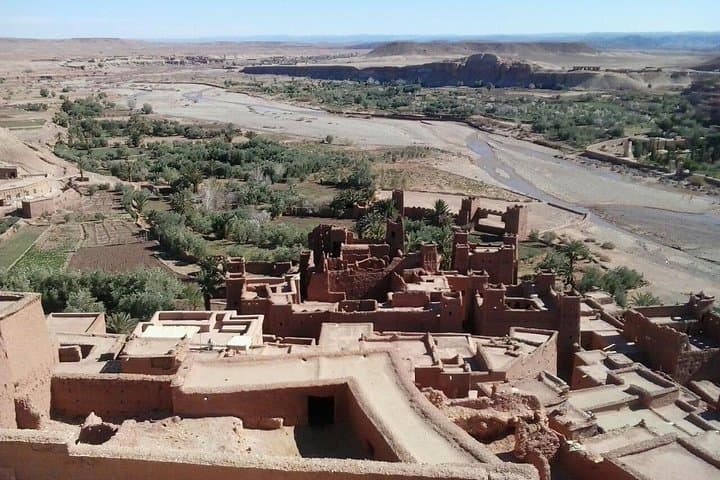
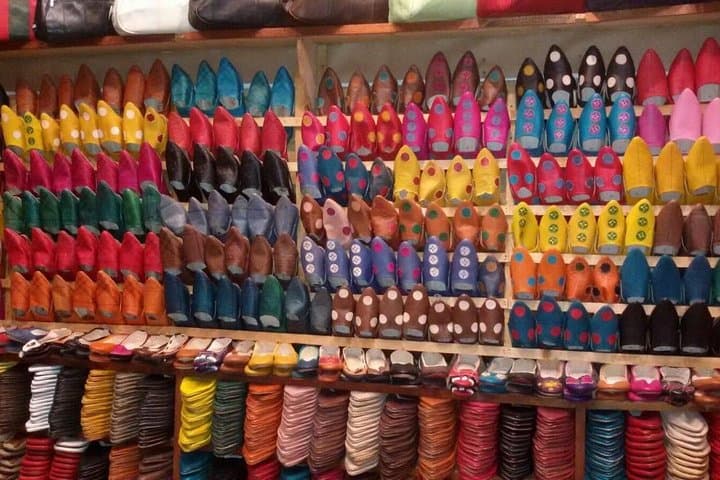
The itinerary follows routes shaped by history: caravan corridors that linked Marrakesh, Fes and the Sahara, kasbahs built of earth and stone, and mountain roads that cross the Tizi n’Tichka pass (around 2,260 m). Geology shifts fast—coastal plateaus give way to red clay plains, then volcanic and sedimentary folds in the High Atlas, ending in wind-sculpted dunes of the Erg Chebbi or Erg Chigaga. Culture is immediate; Arab, Berber and Andalusian threads show in architecture, language and food—tagines simmered slowly, mint tea poured in ritual, and the cadence of souk bargaining.
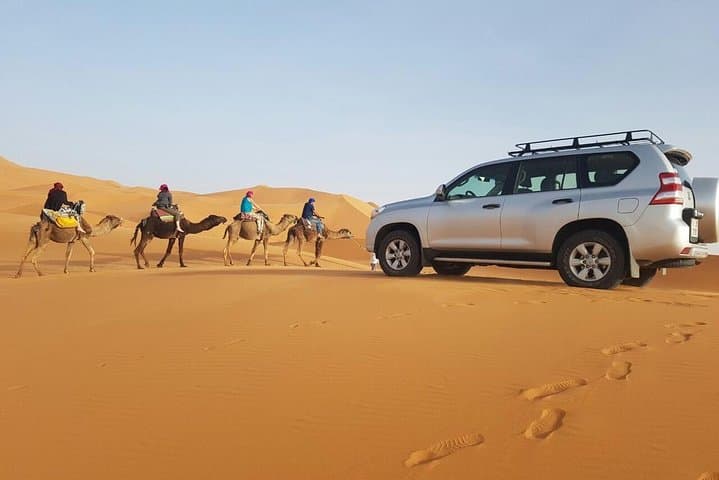
Expect long but rewarding drives (several 4–6 hour legs), short hikes in gorges and a gentle camel trek into the dunes; overnight options range from traditional riads to desert bivouac tents. Practicalities: carry cash for small towns, pack layered clothing for hot days and cool nights, and plan travel days rather than constant sightseeing. Respect local customs—modest dress in rural areas—and book airport transfers and lodging pre-trip for smoother logistics.
This tour is paced for immersive travel: history, geology and culture moving at walking pace when needed and unfolding on long scenic drives when not.
moderate.
14 days.
Suitable for travelers with basic stamina; able to handle several hours of walking and multiple long vehicle transfers.
Camel treks provided on these tours are generally short and gentle—suitable for most fitness levels; rides are mostly seated and staff assist mounting.
Visa requirements depend on nationality—many Western countries have visa-free entry for short stays; check your government guidance before travel.
This tour includes 13 nights of accommodation, often a mix of riads, hotels and at least one desert camp as described in the itinerary.
Expect several long driving days—typical legs between cities can be 4–6 hours—balanced with full-day city stays and shorter excursions.
Routes trace historic caravan roads and the imperial cities—Marrakesh, Fes, Meknes—each shaped by centuries of trade and regional dynasties.
Water is scarce across Morocco; choose local guides and camps that use low-impact water and waste practices and avoid disturbing dune vegetation.
Mohamed Salem ARIBI operates guided outdoor trips and adventures with an emphasis on safety, stewardship, and memorable experiences.
You step from Casablanca’s wide boulevards into a different tempo—mosaic-tiled riads, the smell of spices, and the slow silhouette of dunes on the horizon. Over 14 days this route stitches together imperial cities, high Atlas passes and the Sahara, alternating bustling medinas with nights under desert stars.
You step from Casablanca’s wide boulevards into a different tempo—mosaic-tiled riads, the smell of spices, and the slow silhouette of dunes on the horizon. Over 14 days this route stitches together imperial cities, high Atlas passes and the Sahara, alternating bustling medinas with nights under desert stars.
The itinerary follows routes shaped by history: caravan corridors that linked Marrakesh, Fes and the Sahara, kasbahs built of earth and stone, and mountain roads that cross the Tizi n’Tichka pass (around 2,260 m). Geology shifts fast—coastal plateaus give way to red clay plains, then volcanic and sedimentary folds in the High Atlas, ending in wind-sculpted dunes of the Erg Chebbi or Erg Chigaga. Culture is immediate; Arab, Berber and Andalusian threads show in architecture, language and food—tagines simmered slowly, mint tea poured in ritual, and the cadence of souk bargaining.
Expect long but rewarding drives (several 4–6 hour legs), short hikes in gorges and a gentle camel trek into the dunes; overnight options range from traditional riads to desert bivouac tents. Practicalities: carry cash for small towns, pack layered clothing for hot days and cool nights, and plan travel days rather than constant sightseeing. Respect local customs—modest dress in rural areas—and book airport transfers and lodging pre-trip for smoother logistics.
This tour is paced for immersive travel: history, geology and culture moving at walking pace when needed and unfolding on long scenic drives when not.