THE ADVENTURE COLLECTIVE® · Independent discovery and booking for outdoor travel

A classic 14-day route from Kathmandu and Pokhara into the Annapurna Sanctuary, this trek delivers sunrise views over Annapurna and Dhaulagiri, village culture, and a high-alpine campsite at ABC (≈4,130 m). Expect stone steps, rhododendron forests, and basic lodges—plan acclimatization and layers.
A classic 14-day route from Kathmandu and Pokhara into the Annapurna Sanctuary, this trek delivers sunrise views over Annapurna and Dhaulagiri, village culture, and a high-alpine campsite at ABC (≈4,130 m). Expect stone steps, rhododendron forests, and basic lodges—plan acclimatization and layers.
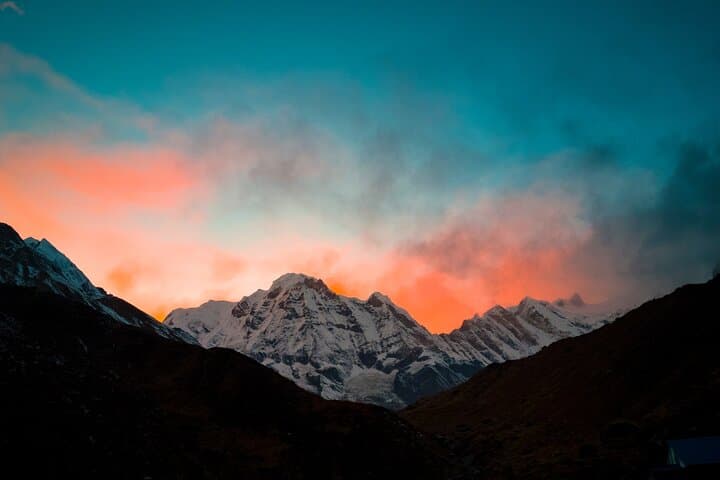
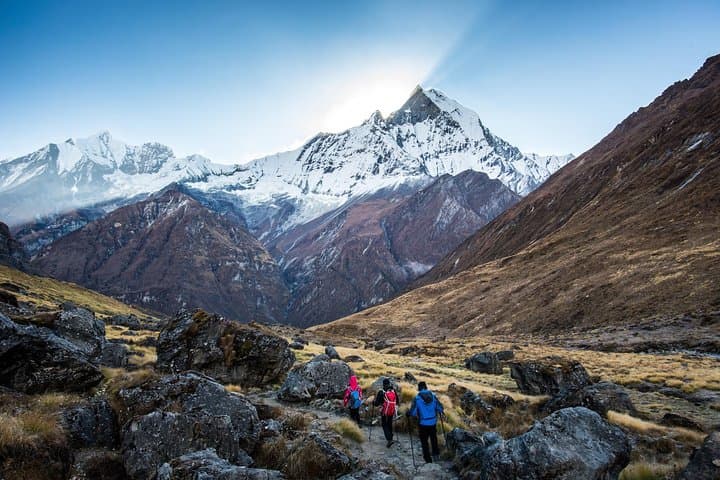
The trail opens before sunrise: cool, thin air brushing your face as you climb stone staircases carved into the hillside. Forest gives way to bamboo and rhododendron; above the tree line the peaks lean inward, forming the oval-shaped amphitheater known locally as the Annapurna Sanctuary.
Verified experiences and guided adventures in the surrounding area.
Operated by Asian Heritage Treks and Travels · Pokhara, Gandaki Province
The trail opens before sunrise: cool, thin air brushing your face as you climb stone staircases carved into the hillside. Forest gives way to bamboo and rhododendron; above the tree line the peaks lean inward, forming the oval-shaped amphitheater known locally as the Annapurna Sanctuary.
This 14-day itinerary begins in Kathmandu, winds through Pokhara and Nayapul, and spends eight nights on the trail in local lodges before reaching Annapurna Base Camp (approx. 4,130 m). The route follows age-old mule tracks used by Gurung, Magar, and Thakali communities; villages along the way still practice traditional agriculture and hospitality. Geologically, the sanctuary is a glacial bowl ringed by massive granite and metamorphic ridges that throw sharp, changing light at sunrise.
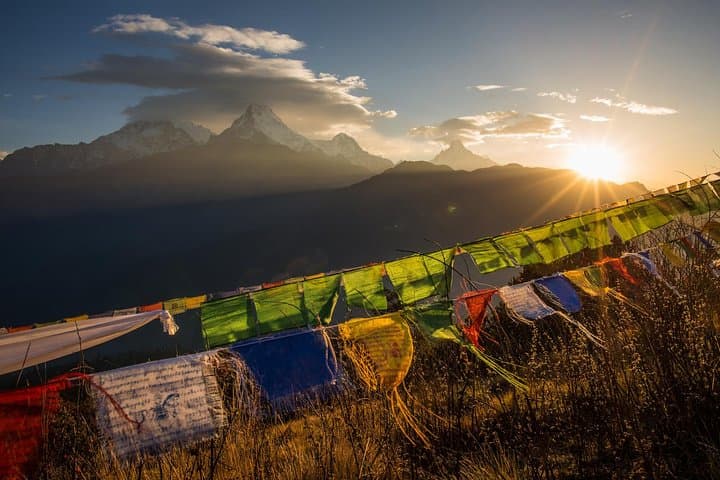
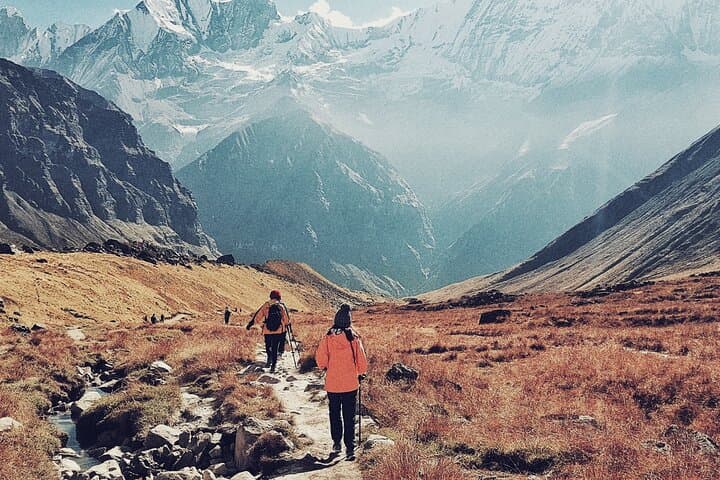
Expect varied terrain: long stone staircases, narrow river crossings, steep scree near Deurali and MBC, and softer forest paths around Ghorepani and Tadapani. Poon Hill’s 3,210 m ridge gives a compact, high-angle view of Dhaulagiri and Annapurna ranges before the final alpine approach.
Practical guidance: allow time to acclimatize (Poon Hill and Ghorepani are useful stops), carry layered insulation for sub-zero mornings at ABC, and use trekking poles for long descents and stair sections. Lodges provide basic meals and shelter but limited hot-water windows—carry cash and a headlamp. Hydrate proactively and watch for altitude symptoms; a conservative pace and at least one extra acclimatization day reduce risk. With steady legs and respect for local customs, the sanctuary delivers one of the most concentrated Himalayan summit panoramas on a moderate, multi-day trek.
moderate.
14 days.
Good aerobic fitness with experience on multi-day hikes; ability to walk 5–7 hours daily on uneven terrain.
Yes—Annapurna Conservation Area Permit (ACAP) and TIMS card are required; operators typically handle these before the trailhead.
ABC reaches ~4,130 m; many trekkers avoid severe AMS with gradual ascent, rest days, hydration, and recognizing symptoms early—evacuation plans should be discussed beforehand.
Basic teahouse lodges with twin-share rooms, simple meals (dal bhat, soups, noodles); hot showers and charging incur extra fees in many villages.
Guides are strongly recommended for navigation, cultural context, and emergency support; porters reduce load and increase comfort but are optional depending on fitness.
The Annapurna Sanctuary has long been used by local Gurung and Magar communities; the area is protected under the Annapurna Conservation Area Program established to balance tourism and traditional life.
The Annapurna Conservation Area Project (ACAP) focuses on sustainable tourism, trail maintenance, and waste management—carry out plastic and respect established toilet and disposal systems.
Asian Heritage Treks and Travels operates guided outdoor trips and adventures with an emphasis on safety, stewardship, and memorable experiences.
The trail opens before sunrise: cool, thin air brushing your face as you climb stone staircases carved into the hillside. Forest gives way to bamboo and rhododendron; above the tree line the peaks lean inward, forming the oval-shaped amphitheater known locally as the Annapurna Sanctuary.
The trail opens before sunrise: cool, thin air brushing your face as you climb stone staircases carved into the hillside. Forest gives way to bamboo and rhododendron; above the tree line the peaks lean inward, forming the oval-shaped amphitheater known locally as the Annapurna Sanctuary.
This 14-day itinerary begins in Kathmandu, winds through Pokhara and Nayapul, and spends eight nights on the trail in local lodges before reaching Annapurna Base Camp (approx. 4,130 m). The route follows age-old mule tracks used by Gurung, Magar, and Thakali communities; villages along the way still practice traditional agriculture and hospitality. Geologically, the sanctuary is a glacial bowl ringed by massive granite and metamorphic ridges that throw sharp, changing light at sunrise.
Expect varied terrain: long stone staircases, narrow river crossings, steep scree near Deurali and MBC, and softer forest paths around Ghorepani and Tadapani. Poon Hill’s 3,210 m ridge gives a compact, high-angle view of Dhaulagiri and Annapurna ranges before the final alpine approach.
Practical guidance: allow time to acclimatize (Poon Hill and Ghorepani are useful stops), carry layered insulation for sub-zero mornings at ABC, and use trekking poles for long descents and stair sections. Lodges provide basic meals and shelter but limited hot-water windows—carry cash and a headlamp. Hydrate proactively and watch for altitude symptoms; a conservative pace and at least one extra acclimatization day reduce risk. With steady legs and respect for local customs, the sanctuary delivers one of the most concentrated Himalayan summit panoramas on a moderate, multi-day trek.