THE ADVENTURE COLLECTIVE® · Independent discovery and booking for outdoor travel

Follow a classic 14-day route from Kathmandu to Annapurna Base Camp through rhododendron forests, Himalayan villages, and alpine meadows. This guide covers what to expect—elevation, permits, accommodations, and essential logistics—for a safe, memorable ABC trek.
Follow a classic 14-day route from Kathmandu to Annapurna Base Camp through rhododendron forests, Himalayan villages, and alpine meadows. This guide covers what to expect—elevation, permits, accommodations, and essential logistics—for a safe, memorable ABC trek.
Morning fog peels off terraced fields as you leave Pokhara and the trail narrows into forest—bamboo and rhododendron crowd the path, prayer flags flutter above stone staircases, and the Modi Khola dares you to keep climbing.
Verified experiences and guided adventures in the surrounding area.
Operated by Outfitter Himalaya Holidays P. Ltd · Pokhara, Gandaki Province
Morning fog peels off terraced fields as you leave Pokhara and the trail narrows into forest—bamboo and rhododendron crowd the path, prayer flags flutter above stone staircases, and the Modi Khola dares you to keep climbing.
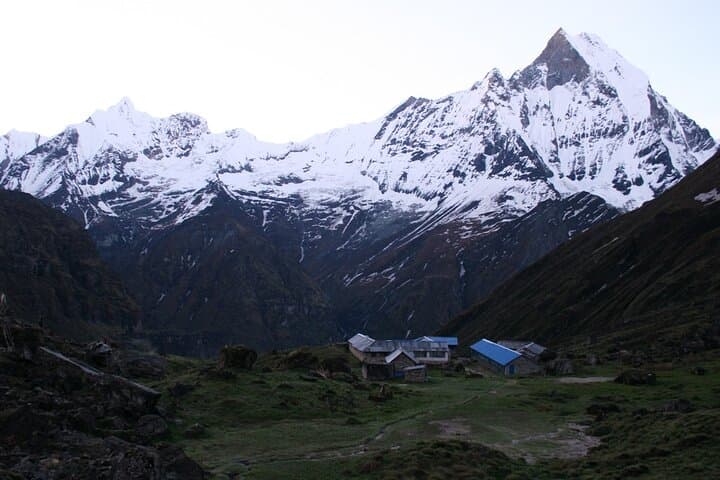
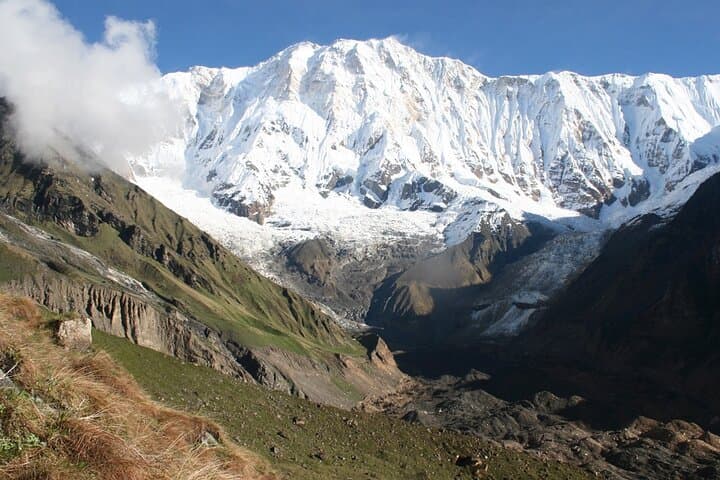
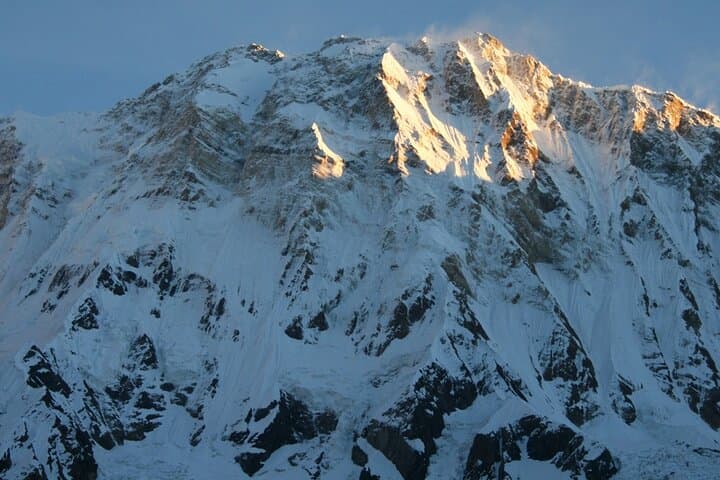
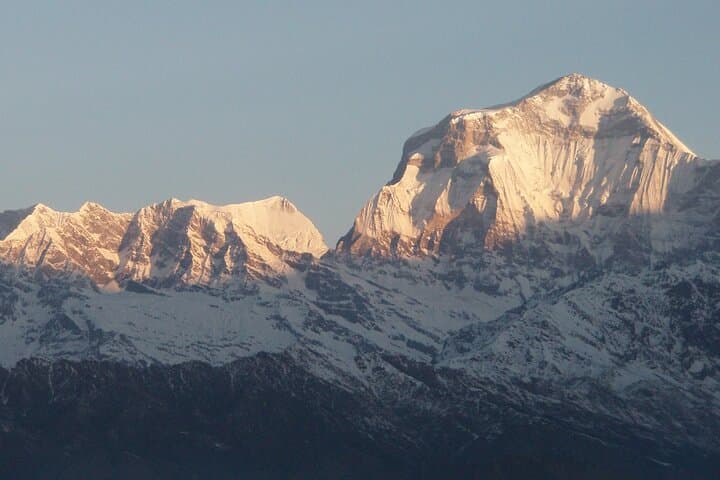
This 14-day itinerary threads village to sanctuary: Nayapul’s lowland farms give way to Ghorepani’s bird-rich rhododendron forest, the sunrise at Poonhill expanding the Annapurna massif into a jagged skyline, and finally the glacial cirque of Annapurna Base Camp (approx. 4,170 m) surrounded by towering peaks. Geologically the Annapurna range is young, uplifted by the Indian and Eurasian plate collision, with steep relief that channels avalanches and feeds the valley’s braided streams.
Cultural life along the route is Gurung and Magar—stone houses, mani walls, and tea-house hospitality punctuate long days. Local economies depend on trekking, and the Annapurna Conservation Area (ACAP) manages permits and waste initiatives to protect fragile alpine meadows.
Practical guide: expect total elevation gain ~3,100 m from Nayapul to base camp spread over multiple days; daily hiking commonly ranges 4–7 hours. Permits required: ACAP and TIMS. Nights are in teahouses—basic hot meals, shared bathrooms, and battery charging for a fee. Acclimatize with the Poonhill detour and moderate daily gains; drink frequently, layer for large diurnal swings, and use sturdy boots for stone stairways and moraine sections.
Bring cash (small settlements), allow flexibility for weather, and plan your trip in spring or autumn for the most stable conditions.
challenging.
12–14 days.
Good aerobic fitness with experience on multi-day hikes; able to handle sustained ascents and long days.
Yes—both an Annapurna Conservation Area Project (ACAP) permit and a TIMS card are required; organizers usually arrange these before trekking.
Spring (March–May) and autumn (late September–November) offer the most stable weather and clearer views; monsoon brings heavy rain and winter brings deep snow at higher elevations.
Teahouses are basic: shared dorms or twin rooms, hot meals, and limited charging; expect simple bedding and pay for extras in cash.
ABC reaches ~4,170 m—acute mountain sickness is possible; follow acclimatization practices, ascend slowly, and descend if symptoms worsen.
The Annapurna region has long been inhabited by Gurung and Magar communities; trekking routes grew from mule tracks and seasonal shepherd paths during the 20th century.
ACAP regulates permits and supports village-level waste management; trekkers are asked to minimize plastics, carry out trash, and respect grazing and trail closures.
Outfitter Himalaya Holidays P. Ltd operates guided outdoor trips and adventures with an emphasis on safety, stewardship, and memorable experiences.
Morning fog peels off terraced fields as you leave Pokhara and the trail narrows into forest—bamboo and rhododendron crowd the path, prayer flags flutter above stone staircases, and the Modi Khola dares you to keep climbing.
Morning fog peels off terraced fields as you leave Pokhara and the trail narrows into forest—bamboo and rhododendron crowd the path, prayer flags flutter above stone staircases, and the Modi Khola dares you to keep climbing.
This 14-day itinerary threads village to sanctuary: Nayapul’s lowland farms give way to Ghorepani’s bird-rich rhododendron forest, the sunrise at Poonhill expanding the Annapurna massif into a jagged skyline, and finally the glacial cirque of Annapurna Base Camp (approx. 4,170 m) surrounded by towering peaks. Geologically the Annapurna range is young, uplifted by the Indian and Eurasian plate collision, with steep relief that channels avalanches and feeds the valley’s braided streams.
Cultural life along the route is Gurung and Magar—stone houses, mani walls, and tea-house hospitality punctuate long days. Local economies depend on trekking, and the Annapurna Conservation Area (ACAP) manages permits and waste initiatives to protect fragile alpine meadows.
Practical guide: expect total elevation gain ~3,100 m from Nayapul to base camp spread over multiple days; daily hiking commonly ranges 4–7 hours. Permits required: ACAP and TIMS. Nights are in teahouses—basic hot meals, shared bathrooms, and battery charging for a fee. Acclimatize with the Poonhill detour and moderate daily gains; drink frequently, layer for large diurnal swings, and use sturdy boots for stone stairways and moraine sections.
Bring cash (small settlements), allow flexibility for weather, and plan your trip in spring or autumn for the most stable conditions.