THE ADVENTURE COLLECTIVE® · Independent discovery and booking for outdoor travel

Launch from Motueka and free-fall 13,000 feet above Abel Tasman’s golden beaches and clear bays. This tandem skydive pairs an adrenaline rush with sweeping coastal views and a calm canopy descent for photo-ready panoramas.
Launch from Motueka and free-fall 13,000 feet above Abel Tasman’s golden beaches and clear bays. This tandem skydive pairs an adrenaline rush with sweeping coastal views and a calm canopy descent for photo-ready panoramas.
The plane noses skyward and the coastline opens like a map: crescent beaches, cliffs, and the pale ribbon of tidal estuaries. From 13,000 feet the wind turns into a roar, then a silence as the tandem pair separates from the aircraft — a visceral minute of free fall above the turquoise fringe of Abel Tasman before the canopy blooms and time stretches for a slow glide back toward the aerodrome at Motueka.
Verified experiences and guided adventures in the surrounding area.
Operated by Skydive Abel Tasman · Motueka, Tasman
The plane noses skyward and the coastline opens like a map: crescent beaches, cliffs, and the pale ribbon of tidal estuaries. From 13,000 feet the wind turns into a roar, then a silence as the tandem pair separates from the aircraft — a visceral minute of free fall above the turquoise fringe of Abel Tasman before the canopy blooms and time stretches for a slow glide back toward the aerodrome at Motueka.
Abel Tasman owes its name to the Dutch navigator who sighted this stretch of New Zealand in 1642; the protected park was created in the mid-20th century and preserves golden-sand bays, native bush, and coastal granite headlands carved by sea and time. Māori place names and fishing grounds still mark the cultural landscape, and the low hills of the Tasman and Richmond ranges form a compact backdrop that helps pilots plot a clear approach to the drop zone.
Practicalities are straightforward but non-negotiable: the jump begins with a safety briefing and harness fitting, then a 15–20 minute climb to altitude. Free fall from 13,000ft typically lasts around 50–70 seconds, followed by a 4–7 minute canopy ride that gives you time to take in the bay and the patchwork of farms and forests below. Dress in comfortable, weather-appropriate layers and closed-toe shoes; arrive rested and well-hydrated. Expect strict weight and health checks, and a weather-dependent schedule — morning windows often provide the clearest visibility.
For first-timers the focus is on listening to your instructor, keeping your neck neutral during exit, and enjoying the view: the coast here is surprisingly intimate from above, with every sheltered cove and sandbar suddenly legible. Bring a sense of adventure and leave plenty of memory for the landing field.
challenging.
2 hours.
No special fitness required but you should have basic mobility, be able to bend knees for landing, and have no serious cardiovascular issues.
Free fall usually lasts about 50–70 seconds from 13,000ft, followed by several minutes under the parachute for scenic views.
Limits vary by operator—most allow adults and older teens; weight restrictions and health questions are assessed during booking, so confirm with the provider beforehand.
Yes—jumps are weather-dependent; operators will reschedule or refund according to their cancellation policy if conditions are unsafe.
Many drop zones offer professional photo/video packages as an add-on; book these in advance to ensure availability.
Abel Tasman National Park was established in the mid-20th century and bears the name of the Dutch explorer Abel Tasman, who first recorded the area in 1642.
The park and surrounding waters are managed to protect native bush and marine habitats—stay on marked paths and avoid disturbing wildlife to minimize impact.
Skydive Abel Tasman operates guided outdoor trips and adventures with an emphasis on safety, stewardship, and memorable experiences.
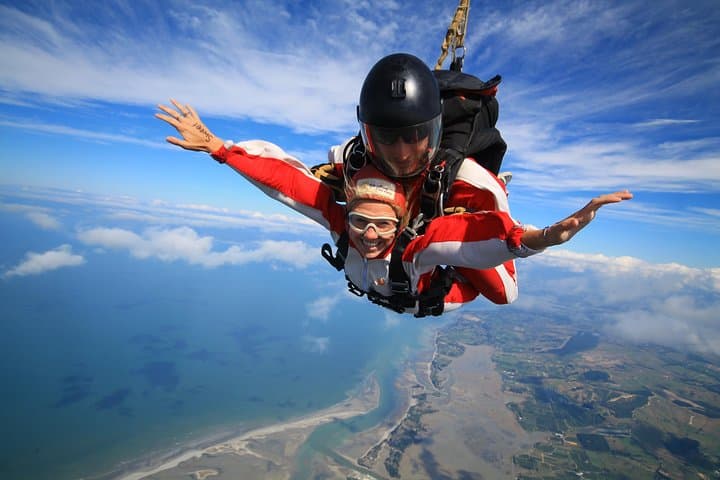
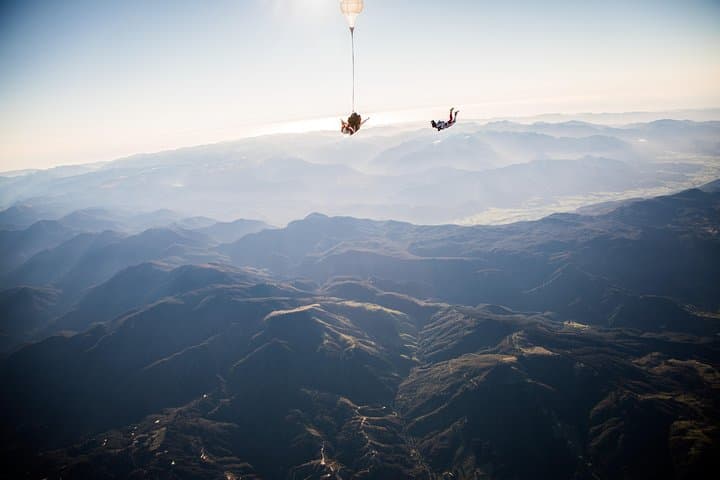
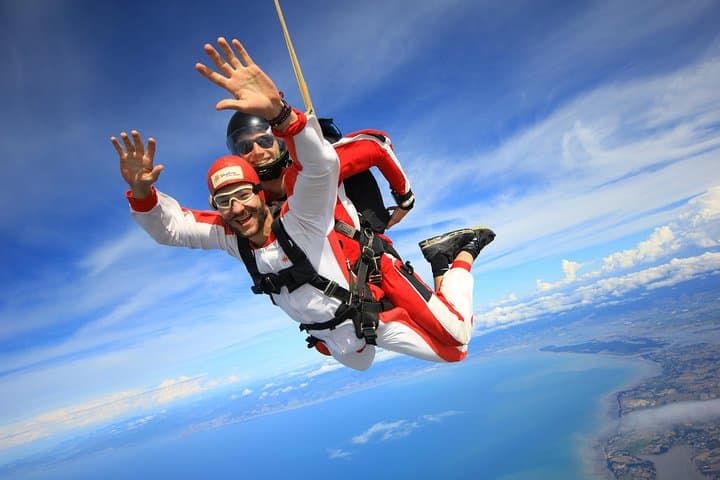
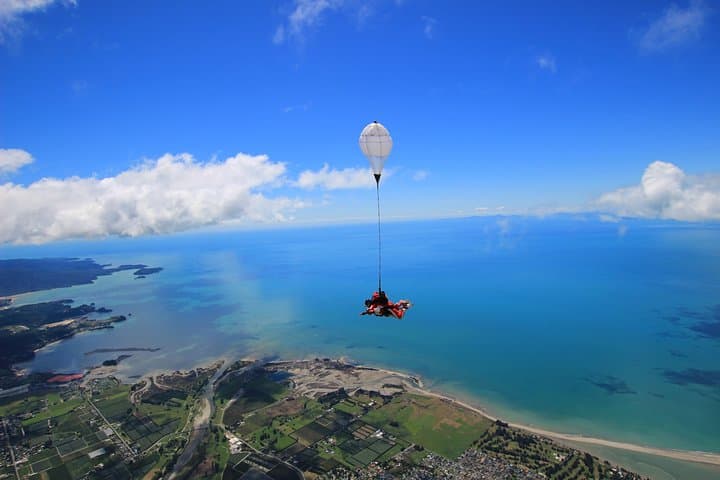
The plane noses skyward and the coastline opens like a map: crescent beaches, cliffs, and the pale ribbon of tidal estuaries. From 13,000 feet the wind turns into a roar, then a silence as the tandem pair separates from the aircraft — a visceral minute of free fall above the turquoise fringe of Abel Tasman before the canopy blooms and time stretches for a slow glide back toward the aerodrome at Motueka.
The plane noses skyward and the coastline opens like a map: crescent beaches, cliffs, and the pale ribbon of tidal estuaries. From 13,000 feet the wind turns into a roar, then a silence as the tandem pair separates from the aircraft — a visceral minute of free fall above the turquoise fringe of Abel Tasman before the canopy blooms and time stretches for a slow glide back toward the aerodrome at Motueka.
Abel Tasman owes its name to the Dutch navigator who sighted this stretch of New Zealand in 1642; the protected park was created in the mid-20th century and preserves golden-sand bays, native bush, and coastal granite headlands carved by sea and time. Māori place names and fishing grounds still mark the cultural landscape, and the low hills of the Tasman and Richmond ranges form a compact backdrop that helps pilots plot a clear approach to the drop zone.
Practicalities are straightforward but non-negotiable: the jump begins with a safety briefing and harness fitting, then a 15–20 minute climb to altitude. Free fall from 13,000ft typically lasts around 50–70 seconds, followed by a 4–7 minute canopy ride that gives you time to take in the bay and the patchwork of farms and forests below. Dress in comfortable, weather-appropriate layers and closed-toe shoes; arrive rested and well-hydrated. Expect strict weight and health checks, and a weather-dependent schedule — morning windows often provide the clearest visibility.
For first-timers the focus is on listening to your instructor, keeping your neck neutral during exit, and enjoying the view: the coast here is surprisingly intimate from above, with every sheltered cove and sandbar suddenly legible. Bring a sense of adventure and leave plenty of memory for the landing field.