THE ADVENTURE COLLECTIVE® · Independent discovery and booking for outdoor travel

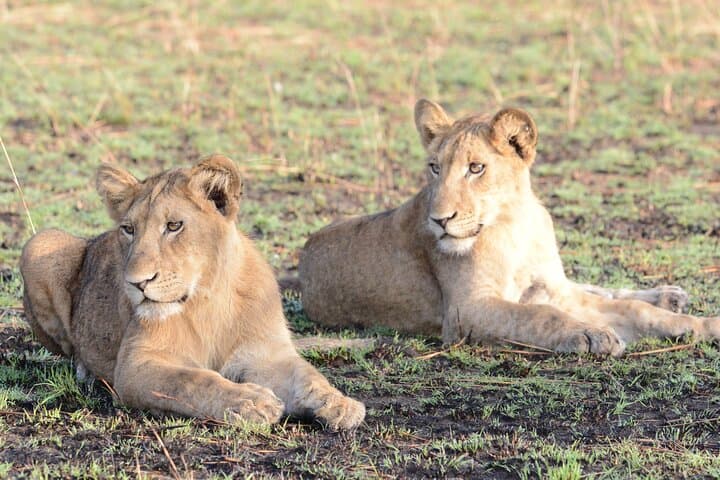
A 13-day loop through Uganda’s richest wildlife regions, this safari pairs classic game drives and boat cruises with primate tracking — including a guided gorilla trek in Bwindi and opportunities to see Ishasha’s rare tree-climbing lions. Read on for what to expect from terrain, logistics and seasonal planning.
A 13-day loop through Uganda’s richest wildlife regions, this safari pairs classic game drives and boat cruises with primate tracking — including a guided gorilla trek in Bwindi and opportunities to see Ishasha’s rare tree-climbing lions. Read on for what to expect from terrain, logistics and seasonal planning.
Dawn on day one arrives at Entebbe with humid air and the low drum of city traffic fading as the safari vehicle pushes west. The road opens onto rolling tea-covered hills, then broader savannahs where acacia silhouettes puncture the skyline. Over 13 days travelers move from the river-throated plains of Murchison Falls to the dense, mossy slopes of Bwindi and the reflective islands of Lake Bunyonyi.
Verified experiences and guided adventures in the surrounding area.
Operated by Pamoja Tours and Travel · Kampala, Central Region
Dawn on day one arrives at Entebbe with humid air and the low drum of city traffic fading as the safari vehicle pushes west. The road opens onto rolling tea-covered hills, then broader savannahs where acacia silhouettes puncture the skyline. Over 13 days travelers move from the river-throated plains of Murchison Falls to the dense, mossy slopes of Bwindi and the reflective islands of Lake Bunyonyi.
This route threads Uganda’s natural history: the Victoria Basin’s ancient soils give way to volcanic highlands near the Rwenzori foothills, and the Kazinga Channel stitches lakes and wetlands that have supported people and wildlife for millennia. Cultural notes are plain on the drive — market stalls, roadside chapels and salt miners at Lake Katwe — while colonial-era conservation policy and modern community tourism both shape visitor access to parks and gorilla permits.
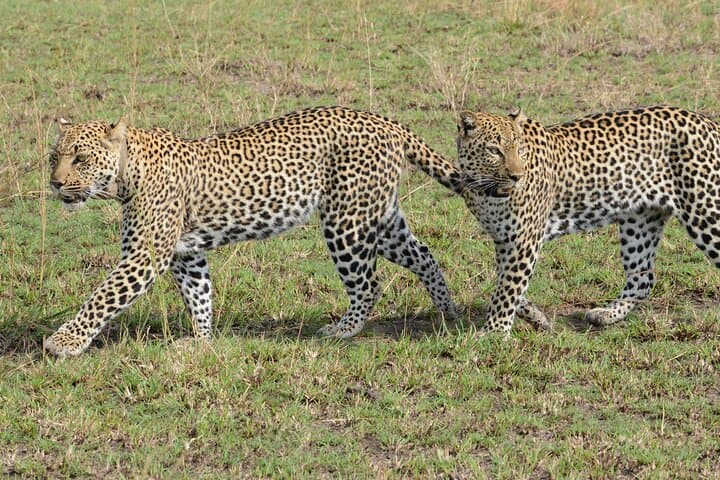
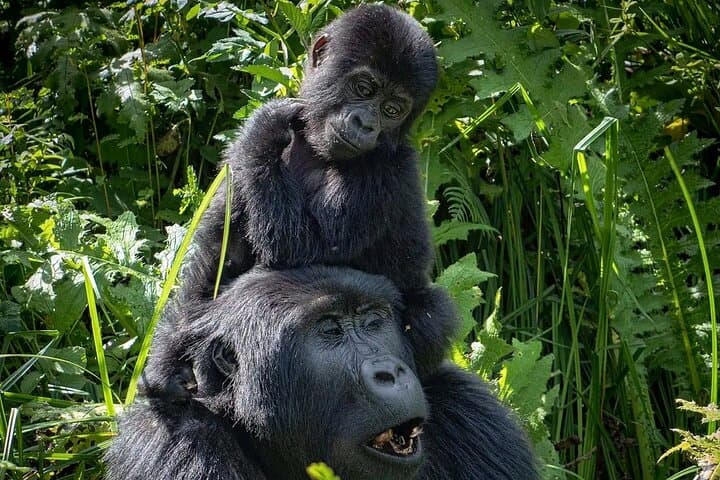
Expect variety in terrain and effort. Game drives cover wide, rutted tracks and deliver close views of elephants, buffalo and hippos; boat cruises on Kazinga favor photographic, low-angle encounters with waterbirds and crocodiles. Chimp and gorilla tracking are the most physical elements: forest trails can be muddy, steep and slippery and a single tracking day may last 2–7 hours with one hour permitted at the gorilla group.
Practical edge: secure gorilla and chimp permits months ahead, bring layered, quick-dry clothing, sturdy waterproof boots, and a rainproof pack cover. Travel windows are shaped by Uganda’s bimodal rains — plan for softer trails in wet months and fuller river wildlife viewing in the dry season.
challenging.
13 days.
Participants should have good cardiovascular fitness for multi-hour walks on uneven, sometimes steep terrain; general mobility for getting in/out of safari vehicles is required.
Yes — gorilla and chimpanzee permits are required and usually included in the tour price; they are limited and should be confirmed at booking.
Gorilla trekking can be strenuous: expect steep, muddy, and uneven trails; people with limited mobility or serious health issues should consult guides and consider alternate activities.
Dry months (June–September, December–February) generally offer easier trails and concentrated wildlife at water sources; birding and lush forest scenery peak during or just after rainy seasons.
Travelers should be up to date on routine vaccines and consult a travel clinic about yellow fever (required on entry), malaria prophylaxis, and routine precautions for tropical travel.
The parks preserve landscapes long used by local communities; colonial and post-colonial conservation measures established many protected areas while current tourism often supports community-led enterprises.
Gorilla and chimp tracking follows strict permit and guide rules to reduce disease transmission and disturbance; visitors are encouraged to support local conservation fees and community projects.
Pamoja Tours and Travel operates guided outdoor trips and adventures with an emphasis on safety, stewardship, and memorable experiences.
Dawn on day one arrives at Entebbe with humid air and the low drum of city traffic fading as the safari vehicle pushes west. The road opens onto rolling tea-covered hills, then broader savannahs where acacia silhouettes puncture the skyline. Over 13 days travelers move from the river-throated plains of Murchison Falls to the dense, mossy slopes of Bwindi and the reflective islands of Lake Bunyonyi.
Dawn on day one arrives at Entebbe with humid air and the low drum of city traffic fading as the safari vehicle pushes west. The road opens onto rolling tea-covered hills, then broader savannahs where acacia silhouettes puncture the skyline. Over 13 days travelers move from the river-throated plains of Murchison Falls to the dense, mossy slopes of Bwindi and the reflective islands of Lake Bunyonyi.
This route threads Uganda’s natural history: the Victoria Basin’s ancient soils give way to volcanic highlands near the Rwenzori foothills, and the Kazinga Channel stitches lakes and wetlands that have supported people and wildlife for millennia. Cultural notes are plain on the drive — market stalls, roadside chapels and salt miners at Lake Katwe — while colonial-era conservation policy and modern community tourism both shape visitor access to parks and gorilla permits.
Expect variety in terrain and effort. Game drives cover wide, rutted tracks and deliver close views of elephants, buffalo and hippos; boat cruises on Kazinga favor photographic, low-angle encounters with waterbirds and crocodiles. Chimp and gorilla tracking are the most physical elements: forest trails can be muddy, steep and slippery and a single tracking day may last 2–7 hours with one hour permitted at the gorilla group.
Practical edge: secure gorilla and chimp permits months ahead, bring layered, quick-dry clothing, sturdy waterproof boots, and a rainproof pack cover. Travel windows are shaped by Uganda’s bimodal rains — plan for softer trails in wet months and fuller river wildlife viewing in the dry season.