THE ADVENTURE COLLECTIVE® · Independent discovery and booking for outdoor travel

A 13‑day guided loop through southeastern Mexico that pairs major archaeological sites with jungle waterfalls, colonial cities and coastal biosphere reserves. Expect a blend of cultural immersion and active exploration with varied altitude and terrain.
A 13‑day guided loop through southeastern Mexico that pairs major archaeological sites with jungle waterfalls, colonial cities and coastal biosphere reserves. Expect a blend of cultural immersion and active exploration with varied altitude and terrain.
You step off the coach into a cool, thin-air morning in Mexico City, luggage thudding behind you as the guide checks names and adjusts the plan. Over the next thirteen days the landscape will change like chapters: high plateaus and colonial plazas, cloud-touched mountains and carved Zapotec terraces, the plunge of jungle waterfalls and the flat limestone plains of the Yucatán.
Verified experiences and guided adventures in the surrounding area.
Operated by Mexitours · Mexico City, Mexico City
You step off the coach into a cool, thin-air morning in Mexico City, luggage thudding behind you as the guide checks names and adjusts the plan. Over the next thirteen days the landscape will change like chapters: high plateaus and colonial plazas, cloud-touched mountains and carved Zapotec terraces, the plunge of jungle waterfalls and the flat limestone plains of the Yucatán.
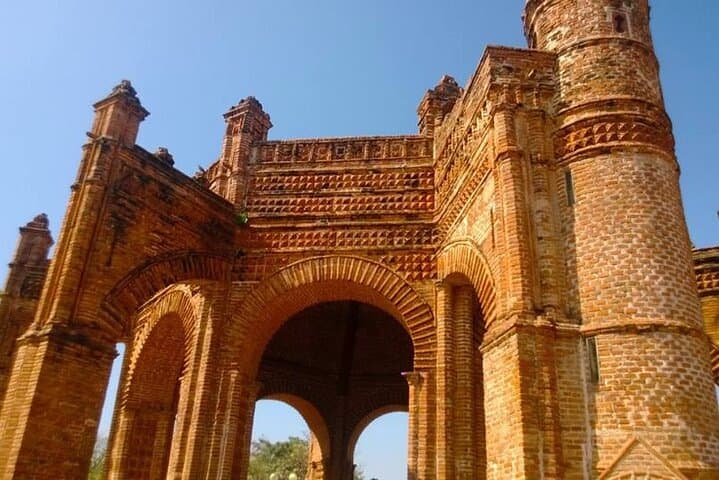
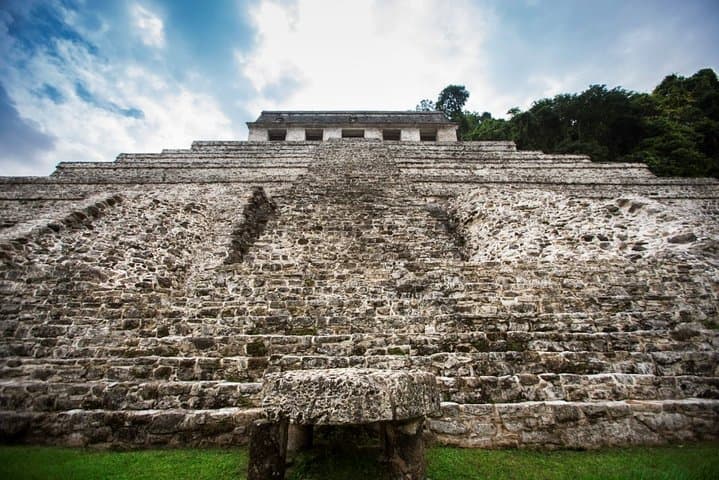
This itinerary threads together center‑and‑southeast Mexico’s layered history — Aztec foundations in Mexico City and Cholula, Zapotec and Mixtec stonework at Monte Albán, the Mayan inscriptions at Palenque and Chichén Itzá. Geology is visible at every turn: volcanic valleys around Puebla, carbonate sinkholes and cenotes in Yucatán, and the karst escarpments that shape Sumidero Canyon. Cultural encounters are constant: market stalls in Oaxaca, backstrap-loom workshops in Zinacantán, and the syncretic rituals of Chamula.
Expect a mix of light-to-moderate walking and long road transfers; daily walks typically range from short village strolls to 1–3 hours of exploration on uneven stone or jungle paths. Altitudes vary — Mexico City and San Cristóbal sit above 2,000 m, while Palenque and Campeche are low, humid jungle. Pack for layers, sun and sudden rain, and plan for hydration and slow pacing your first day at altitude.
Practical tip: bring comfortable shoes with good grip, a small daypack, and a refillable water bottle. Respect local customs and protected areas — many sites are managed by communities that limit access to preserve archaeology and wetlands. When the light hits the pyramids or the river slices through canyon rock, you’ll understand why these routes have drawn travelers for generations.
moderate.
13 days.
Suitable for travelers who can handle multiple consecutive travel days, 1–3 hours of walking at a time, stairs and uneven terrain; minimal running required.
The tour involves stairs, uneven archaeological terraces and boarding small boats; it is generally not appropriate for travelers with significant mobility limitations.
The tour includes 12 nights’ accommodation and breakfasts; some lunches and dinners are included per the itinerary and local meals are often recommended at stops.
Standard travel vaccines are recommended; check current guidance for hepatitis and routine vaccines; carry insect repellent for jungle zones and seek local advice on drinking water.
Guides will typically operate in Spanish and English; in indigenous towns you'll encounter local languages like Tzotzil and Maya—interpreters or local guides may assist.
The route crosses major Mesoamerican cultures: Aztec influence around Mexico City and Cholula; Zapotec strength at Monte Albán; and Classic‑era Maya architecture at Palenque and Chichén Itzá.
Many stops are within protected areas and community‑run reserves—respect signage, avoid single‑use plastics, and use authorized guides for sensitive sites and cenotes.
Mexitours operates guided outdoor trips and adventures with an emphasis on safety, stewardship, and memorable experiences.


You step off the coach into a cool, thin-air morning in Mexico City, luggage thudding behind you as the guide checks names and adjusts the plan. Over the next thirteen days the landscape will change like chapters: high plateaus and colonial plazas, cloud-touched mountains and carved Zapotec terraces, the plunge of jungle waterfalls and the flat limestone plains of the Yucatán.
You step off the coach into a cool, thin-air morning in Mexico City, luggage thudding behind you as the guide checks names and adjusts the plan. Over the next thirteen days the landscape will change like chapters: high plateaus and colonial plazas, cloud-touched mountains and carved Zapotec terraces, the plunge of jungle waterfalls and the flat limestone plains of the Yucatán.
This itinerary threads together center‑and‑southeast Mexico’s layered history — Aztec foundations in Mexico City and Cholula, Zapotec and Mixtec stonework at Monte Albán, the Mayan inscriptions at Palenque and Chichén Itzá. Geology is visible at every turn: volcanic valleys around Puebla, carbonate sinkholes and cenotes in Yucatán, and the karst escarpments that shape Sumidero Canyon. Cultural encounters are constant: market stalls in Oaxaca, backstrap-loom workshops in Zinacantán, and the syncretic rituals of Chamula.
Expect a mix of light-to-moderate walking and long road transfers; daily walks typically range from short village strolls to 1–3 hours of exploration on uneven stone or jungle paths. Altitudes vary — Mexico City and San Cristóbal sit above 2,000 m, while Palenque and Campeche are low, humid jungle. Pack for layers, sun and sudden rain, and plan for hydration and slow pacing your first day at altitude.
Practical tip: bring comfortable shoes with good grip, a small daypack, and a refillable water bottle. Respect local customs and protected areas — many sites are managed by communities that limit access to preserve archaeology and wetlands. When the light hits the pyramids or the river slices through canyon rock, you’ll understand why these routes have drawn travelers for generations.