THE ADVENTURE COLLECTIVE® · Independent discovery and booking for outdoor travel

A private, 13-day circuit that threads Bucharest to the Carpathians and Transylvania’s hill towns, blending medieval fortresses, painted monasteries and dramatic drives like the Transfăgărășan. Perfect for travelers who want a curated mix of nature, history and local flavor.
A private, 13-day circuit that threads Bucharest to the Carpathians and Transylvania’s hill towns, blending medieval fortresses, painted monasteries and dramatic drives like the Transfăgărășan. Perfect for travelers who want a curated mix of nature, history and local flavor.
You step out of your private minibus into a country where roads climb into serrated Carpathian ridges and squares still echo with baroque bells. The tour opens in Bucharest — wide boulevards and the hulking Palace of the Parliament — then threads north into Transylvania’s fortified churches, the alpine switchbacks of the Transfăgărășan and the painted monasteries of Bucovina.
Verified experiences and guided adventures in the surrounding area.
Operated by Nicolas Experience Tours · Bucharest, Bucharest
You step out of your private minibus into a country where roads climb into serrated Carpathian ridges and squares still echo with baroque bells. The tour opens in Bucharest — wide boulevards and the hulking Palace of the Parliament — then threads north into Transylvania’s fortified churches, the alpine switchbacks of the Transfăgărășan and the painted monasteries of Bucovina.
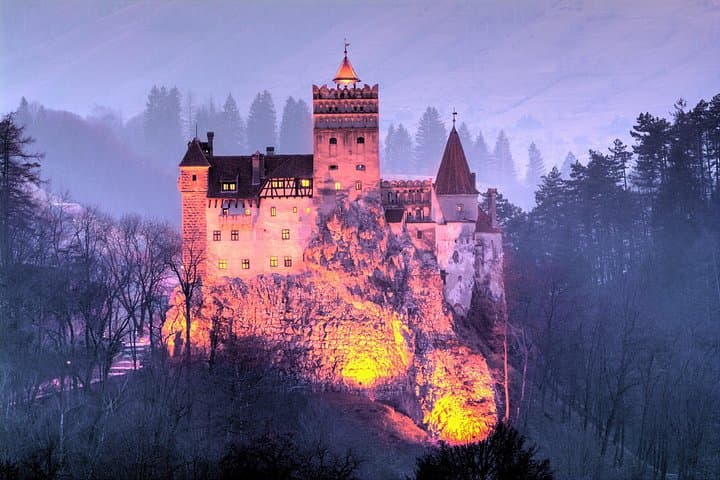
Romania’s story is carved in stone and wood: Dacian hill-forts at Sarmizegetusa perched near 1,200 m, medieval strongholds like Corvin and Rupea built atop basalt outcrops, and ecclesiastical frescoes whose pigments include the famed Voroneț blue. Geology shows through everywhere — river gorges that dare you to peer over limestone cliffs, salt caverns that cool the air, and mud volcanoes that bubble from deep faults.
Culturally the trip balances Saxon heritage in Biertan and Viscri with Maramureș’s carved wooden towers and the wry epitaphs of the Merry Cemetery. Local markets and taverns offer paprikash, cheeses and house-made pălincă; conversation with a guide reveals how centuries of trade and empire shaped villages and dialects.
Practical notes: plan this between late spring and early autumn; the Transfăgărășan is reliably open June–October. Expect frequent short walks, some steep stair climbs at fortresses and variable mountain weather — pack layered rain protection and sturdy shoes. Carry a small daypack, local currency (lei), and photocopies of travel documents. Because the tour is private, you can alter pacing: use morning light for photography at high passes and reserve afternoons for museums and markets.
moderate.
13 days.
Suitable for travelers in average physical condition; expect multiple short hikes, stair climbs at castles and long drives between regions.
Late spring through early autumn (May–October) offers the best access to mountain roads like the Transfăgărășan and warmer conditions for outdoor visits.
The tour is rated easy-to-moderate: most days involve sightseeing with short walks or stair climbs; no technical climbing is required.
The tour includes the private vehicle and guide; accommodations, most meals and specific attraction entrance fees are typically not included unless specified.
Yes — private tours are flexible and can be adapted for pace, extra stops or skipping sections based on your interests and mobility.
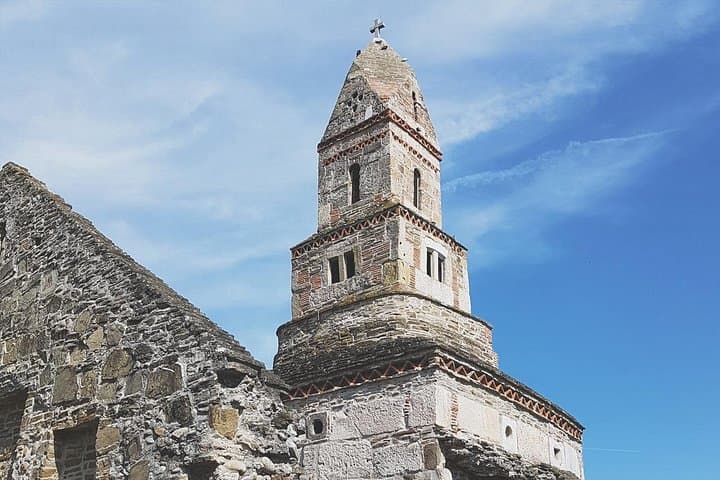
Romania’s cultural layers reflect Dacian roots, Roman conquest and later Ottoman, Austro-Hungarian and Saxon influences visible in fortifications, language and architecture.
Many sites sit within protected natural areas; stick to marked trails, avoid collecting fossils or artifacts, and support local conservation fees where requested.
Nicolas Experience Tours operates guided outdoor trips and adventures with an emphasis on safety, stewardship, and memorable experiences.
You step out of your private minibus into a country where roads climb into serrated Carpathian ridges and squares still echo with baroque bells. The tour opens in Bucharest — wide boulevards and the hulking Palace of the Parliament — then threads north into Transylvania’s fortified churches, the alpine switchbacks of the Transfăgărășan and the painted monasteries of Bucovina.
You step out of your private minibus into a country where roads climb into serrated Carpathian ridges and squares still echo with baroque bells. The tour opens in Bucharest — wide boulevards and the hulking Palace of the Parliament — then threads north into Transylvania’s fortified churches, the alpine switchbacks of the Transfăgărășan and the painted monasteries of Bucovina.
Romania’s story is carved in stone and wood: Dacian hill-forts at Sarmizegetusa perched near 1,200 m, medieval strongholds like Corvin and Rupea built atop basalt outcrops, and ecclesiastical frescoes whose pigments include the famed Voroneț blue. Geology shows through everywhere — river gorges that dare you to peer over limestone cliffs, salt caverns that cool the air, and mud volcanoes that bubble from deep faults.
Culturally the trip balances Saxon heritage in Biertan and Viscri with Maramureș’s carved wooden towers and the wry epitaphs of the Merry Cemetery. Local markets and taverns offer paprikash, cheeses and house-made pălincă; conversation with a guide reveals how centuries of trade and empire shaped villages and dialects.
Practical notes: plan this between late spring and early autumn; the Transfăgărășan is reliably open June–October. Expect frequent short walks, some steep stair climbs at fortresses and variable mountain weather — pack layered rain protection and sturdy shoes. Carry a small daypack, local currency (lei), and photocopies of travel documents. Because the tour is private, you can alter pacing: use morning light for photography at high passes and reserve afternoons for museums and markets.