THE ADVENTURE COLLECTIVE® · Independent discovery and booking for outdoor travel

A private, fully customizable 13-day route through Jordan’s highlights—Jerash, Petra, Wadi Rum, the Dead Sea—combines archaeology, desert adventure, and seaside relaxation. Ideal for travelers who want history, geology, and flexible pacing with private transport.
A private, fully customizable 13-day route through Jordan’s highlights—Jerash, Petra, Wadi Rum, the Dead Sea—combines archaeology, desert adventure, and seaside relaxation. Ideal for travelers who want history, geology, and flexible pacing with private transport.
You step out of Queen Alia International and the air carries a dry warmth that seems to have stored a century of stories. The city hums—a mix of honking taxis and the distant call to prayer—before the road pulls you away, climbing toward olive-scarred hills and the first ruins that will punctuate the next two weeks.
Verified experiences and guided adventures in the surrounding area.
Operated by VIP Jordan Limo · Amman, Amman Governorate
You step out of Queen Alia International and the air carries a dry warmth that seems to have stored a century of stories. The city hums—a mix of honking taxis and the distant call to prayer—before the road pulls you away, climbing toward olive-scarred hills and the first ruins that will punctuate the next two weeks.
This 13-day private itinerary reads like a curated atlas of Jordan: Ajloun’s 12th-century fortress, the columned streets of Jerash, frescoed rooms at Qasr Amra, the mosaic maps of Madaba, the sheer sandstone theater of Petra, the wind-sculpted amphitheaters of Wadi Rum, and the impossible buoyancy of the Dead Sea. Each place has its own geology and mood—the limestone terraces around Amman, the red-pink sandstone carved by water and time in Petra, and the basalt-black remnants of Azraq where Lawrence of Arabia camped.
History threads through every stop. The Nabataeans chiselled their commerce capital into the Siq’s narrows; Romans paved Forum streets in places where traders once bartered frankincense and spices. The Umayyads left intimate frescoes in desert baths; Crusaders left ramparts at Kerak. Bedouin culture remains an active chapter—hosts in Wadi Rum still share tea beneath constellations that feel dangerously close.
Practical planning matters here. A Jordan Pass saves time and money—buy it before you go. Spring and autumn offer the most comfortable temperatures for long days of walking; summers are hot and require an early start. Petra involves steep steps and stretches of loose sand; plan for 4–8 hours on-site to see the Treasury, Royal Tombs, and a climb to the Monastery if you want a panorama with fewer visitors. In Wadi Rum, jeeps cross scrub and dune, but expect short hikes to viewpoints; a night in a desert camp rewards you with quiet and an unforgettable canopy of stars.
Health and comfort are simple to manage: carry at least 2–3 liters of water daily, wear a hat and sunscreen, and choose footwear with good grip for sandstone and uneven paths. For cultural respect, dress modestly in towns and religious sites; women will feel comfortable with shoulders and knees covered. Your private vehicle and English-speaking driver make logistics easy—customize pacing, add a hot-air balloon over Wadi Rum, or linger longer on a favorite day.
By the time you float in the Dead Sea, the trip’s disparate parts line up: ruins meet desert meets sea, and the landscape stops being background and starts answering you. This itinerary is less a checklist and more an invitation to move gently across one of the Levant’s most compelling landscapes—with room to customize the tempo and the details until the route fits your appetite for history, landscape, and quiet nights under unfamiliar stars.
moderate.
13 days.
Moderate fitness: be comfortable walking several hours on uneven ground and climbing stone steps.
Many nationalities can buy a visa on arrival, but the Jordan Pass (bought before travel) covers the visa for eligible visitors and entry to major sites—check jordanpass.jo for details.
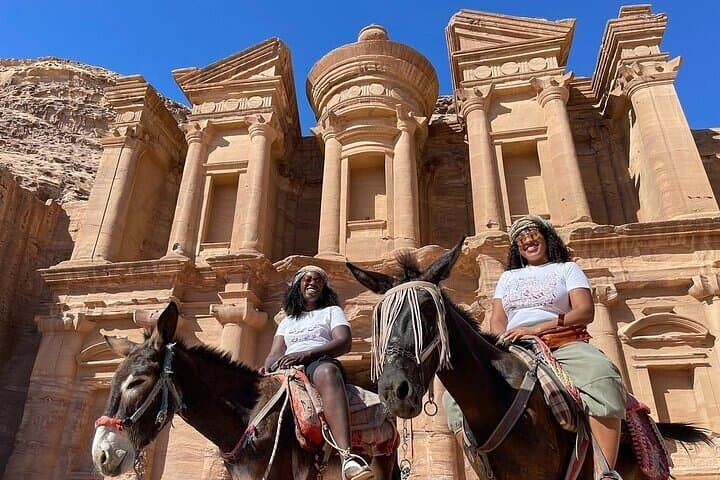
Petra is accessible but involves long walks and stairs; consider a donkey or horse for short stretches and plan frequent rests—private pacing makes this easier.
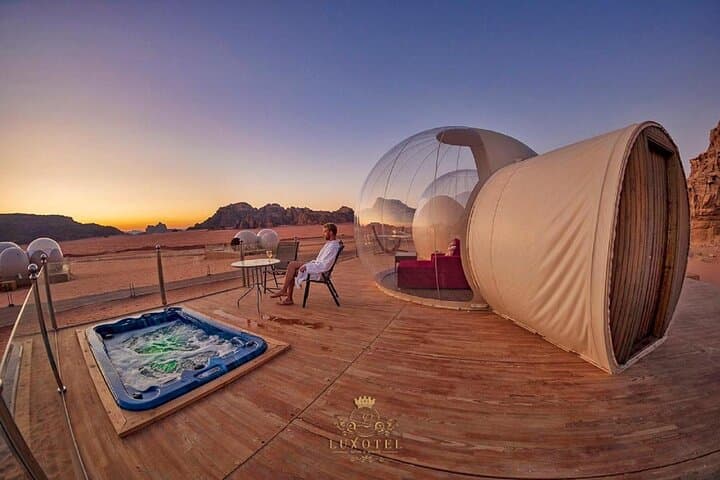
Accommodation ranges from basic to luxury bubbles; most provide mattresses, blankets, and hot meals—confirm amenities when booking.
Yes—floating is safe but avoid getting water in your eyes or mouth; rinse off at hotel showers after floating to remove salt.
Some parts (city tours, Dead Sea resort) are wheelchair-friendly, but Petra’s Siq and Wadi Rum terrain are uneven—discuss specific accessibility needs with the operator.
Yes—hot-air balloon flights are available as an optional extra (usually from Wadi Rum or Petra areas) and must be booked in advance due to limited slots.
Jordan’s sites span millennia—from Nabataean traders who carved Petra into sandstone, to Roman provincial cities, to Umayyad desert castles that show early Islamic artistic ambition.
Increased tourism pressures have led to conservation efforts at Petra and Wadi Rum; visitors are encouraged to stick to trails, avoid touching fragile rock art, and minimize single-use plastics.
VIP Jordan Limo operates guided outdoor trips and adventures with an emphasis on safety, stewardship, and memorable experiences.


You step out of Queen Alia International and the air carries a dry warmth that seems to have stored a century of stories. The city hums—a mix of honking taxis and the distant call to prayer—before the road pulls you away, climbing toward olive-scarred hills and the first ruins that will punctuate the next two weeks.
You step out of Queen Alia International and the air carries a dry warmth that seems to have stored a century of stories. The city hums—a mix of honking taxis and the distant call to prayer—before the road pulls you away, climbing toward olive-scarred hills and the first ruins that will punctuate the next two weeks.
This 13-day private itinerary reads like a curated atlas of Jordan: Ajloun’s 12th-century fortress, the columned streets of Jerash, frescoed rooms at Qasr Amra, the mosaic maps of Madaba, the sheer sandstone theater of Petra, the wind-sculpted amphitheaters of Wadi Rum, and the impossible buoyancy of the Dead Sea. Each place has its own geology and mood—the limestone terraces around Amman, the red-pink sandstone carved by water and time in Petra, and the basalt-black remnants of Azraq where Lawrence of Arabia camped.
History threads through every stop. The Nabataeans chiselled their commerce capital into the Siq’s narrows; Romans paved Forum streets in places where traders once bartered frankincense and spices. The Umayyads left intimate frescoes in desert baths; Crusaders left ramparts at Kerak. Bedouin culture remains an active chapter—hosts in Wadi Rum still share tea beneath constellations that feel dangerously close.
Practical planning matters here. A Jordan Pass saves time and money—buy it before you go. Spring and autumn offer the most comfortable temperatures for long days of walking; summers are hot and require an early start. Petra involves steep steps and stretches of loose sand; plan for 4–8 hours on-site to see the Treasury, Royal Tombs, and a climb to the Monastery if you want a panorama with fewer visitors. In Wadi Rum, jeeps cross scrub and dune, but expect short hikes to viewpoints; a night in a desert camp rewards you with quiet and an unforgettable canopy of stars.
Health and comfort are simple to manage: carry at least 2–3 liters of water daily, wear a hat and sunscreen, and choose footwear with good grip for sandstone and uneven paths. For cultural respect, dress modestly in towns and religious sites; women will feel comfortable with shoulders and knees covered. Your private vehicle and English-speaking driver make logistics easy—customize pacing, add a hot-air balloon over Wadi Rum, or linger longer on a favorite day.
By the time you float in the Dead Sea, the trip’s disparate parts line up: ruins meet desert meets sea, and the landscape stops being background and starts answering you. This itinerary is less a checklist and more an invitation to move gently across one of the Levant’s most compelling landscapes—with room to customize the tempo and the details until the route fits your appetite for history, landscape, and quiet nights under unfamiliar stars.