THE ADVENTURE COLLECTIVE® · Independent discovery and booking for outdoor travel

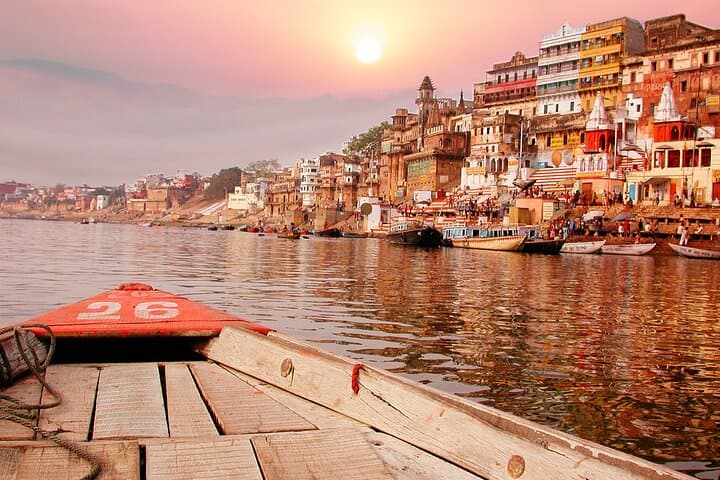
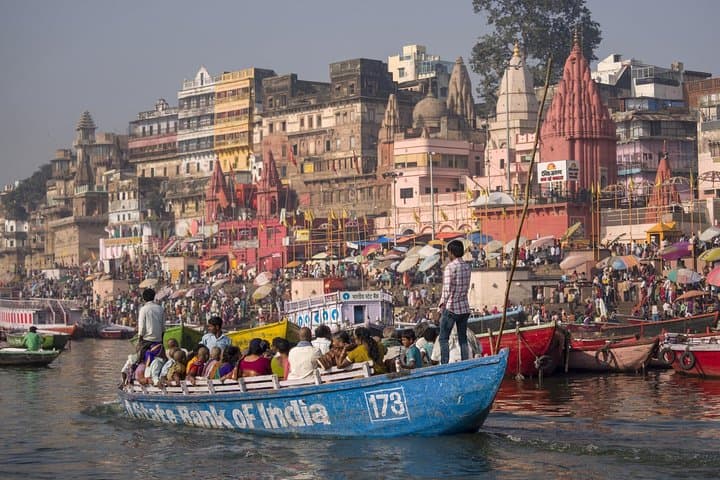
Travel from Ahmedabad to Varanasi on a private 13‑day cultural route that combines stepwells, palaces, UNESCO sites and the sacred Ganges. Expect long drives between concentrated pockets of world‑class history and early‑morning spiritual experiences on the ghats.
Travel from Ahmedabad to Varanasi on a private 13‑day cultural route that combines stepwells, palaces, UNESCO sites and the sacred Ganges. Expect long drives between concentrated pockets of world‑class history and early‑morning spiritual experiences on the ghats.
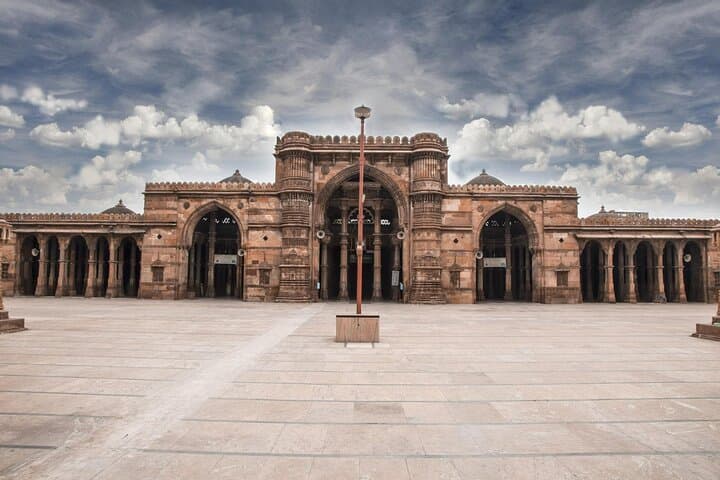
You step out of Ahmedabad's humid air into narrow streets where carved stone meets twentieth-century modernism — a city that opens this 13‑day private circuit through central India. Over the next days you'll trade city bazaars for stepwells, fort ramparts, river ghats and UNESCO‑listed ruins, moving generally eastward across Gujarat and Madhya Pradesh to the sacred waters of the Ganges in Varanasi.
Verified experiences and guided adventures in the surrounding area.
Operated by Agora Voyages Pvt. Ltd. · Ahmedabad, Gujarat
You step out of Ahmedabad's humid air into narrow streets where carved stone meets twentieth-century modernism — a city that opens this 13‑day private circuit through central India. Over the next days you'll trade city bazaars for stepwells, fort ramparts, river ghats and UNESCO‑listed ruins, moving generally eastward across Gujarat and Madhya Pradesh to the sacred waters of the Ganges in Varanasi.
The route threads through distinct layers of history: Chaulukya stepwells and Sun Temple reliefs near Modhera, medieval Islamic city planning at Champaner‑Pavagadh, Maratha palaces in Maheshwar and the Chandela temples of Khajuraho. Geologically, the itinerary crosses Deccan spurs and alluvial plains; expect hard basalt in western forts and softer sandstone in central temple complexes. Culturally the trip alternates royal patronage, tribal craft centers and living pilgrimage sites where ritual shapes daily life.
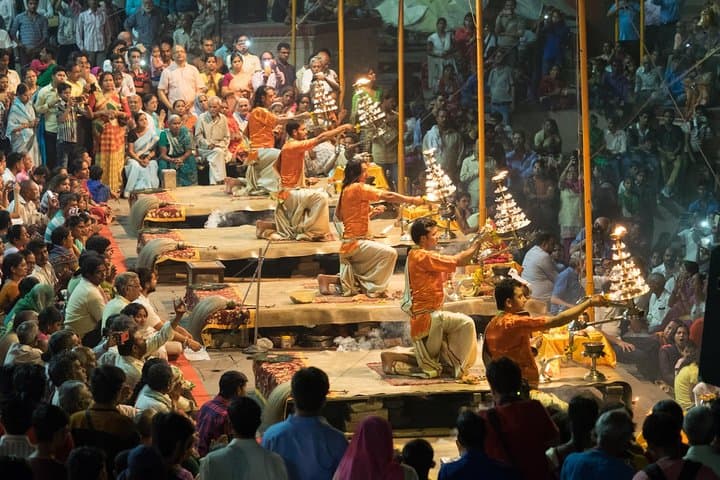
Practicalities matter on a trip this long. Daily drives often range from 2–6 hours (example: 200–380 km legs), so plan for motion, not marathon trekking. Carry a reusable water bottle and electrolyte mixes, lightweight breathable clothing that respects temple dress codes (cover shoulders and knees), and shoes that handle dusty, stepped terrain. Early mornings are the best time to visit Sarnath, the ghats of Varanasi and quieter temple courtyards; evenings are reserved for the Ganga Aarti — bring a small torch for boarding riverside boats.
Because most sites are protected, have local currency for small donations, modest tipping and incidental purchases. A private vehicle and local English‑speaking guides reduce friction and maximize time at each site — ideal for travelers who want depth, not a rushed checklist.
moderate.
13 days.
Light to moderate fitness—able to handle multiple short walks, steps and a few stair climbs daily but no technical exertion.
Yes — it's offered as a private itinerary and the included vehicle and local guides make it straightforward for solo travelers.
Most sites require standard entry tickets; some protected areas may have timed entries but the operator handles bookings mentioned in the itinerary.
Typical driving legs range from about 2–6 hours depending on the day; some days include longer transfers (up to ~6–8 hours) followed by local sightseeing.
Conservative dress is expected: cover shoulders and knees, remove shoes when required, and carry a scarf for quick coverage at temples and during rituals.
The route links dynastic centers from the Chaulukya and Chandela periods through Maratha and British eras, reflecting over a millennium of regional power shifts.
Many monuments are managed by the Archaeological Survey of India; visitors are encouraged to follow marked paths, avoid littering and minimize use of single‑use plastics to protect fragile sites.
Agora Voyages Pvt. Ltd. operates guided outdoor trips and adventures with an emphasis on safety, stewardship, and memorable experiences.
You step out of Ahmedabad's humid air into narrow streets where carved stone meets twentieth-century modernism — a city that opens this 13‑day private circuit through central India. Over the next days you'll trade city bazaars for stepwells, fort ramparts, river ghats and UNESCO‑listed ruins, moving generally eastward across Gujarat and Madhya Pradesh to the sacred waters of the Ganges in Varanasi.
You step out of Ahmedabad's humid air into narrow streets where carved stone meets twentieth-century modernism — a city that opens this 13‑day private circuit through central India. Over the next days you'll trade city bazaars for stepwells, fort ramparts, river ghats and UNESCO‑listed ruins, moving generally eastward across Gujarat and Madhya Pradesh to the sacred waters of the Ganges in Varanasi.
The route threads through distinct layers of history: Chaulukya stepwells and Sun Temple reliefs near Modhera, medieval Islamic city planning at Champaner‑Pavagadh, Maratha palaces in Maheshwar and the Chandela temples of Khajuraho. Geologically, the itinerary crosses Deccan spurs and alluvial plains; expect hard basalt in western forts and softer sandstone in central temple complexes. Culturally the trip alternates royal patronage, tribal craft centers and living pilgrimage sites where ritual shapes daily life.
Practicalities matter on a trip this long. Daily drives often range from 2–6 hours (example: 200–380 km legs), so plan for motion, not marathon trekking. Carry a reusable water bottle and electrolyte mixes, lightweight breathable clothing that respects temple dress codes (cover shoulders and knees), and shoes that handle dusty, stepped terrain. Early mornings are the best time to visit Sarnath, the ghats of Varanasi and quieter temple courtyards; evenings are reserved for the Ganga Aarti — bring a small torch for boarding riverside boats.
Because most sites are protected, have local currency for small donations, modest tipping and incidental purchases. A private vehicle and local English‑speaking guides reduce friction and maximize time at each site — ideal for travelers who want depth, not a rushed checklist.