THE ADVENTURE COLLECTIVE® · Independent discovery and booking for outdoor travel

From Shanghai skyscrapers to a five-star Yangtze cruise and Guilin’s karst panoramas, this private 13-day tour blends China’s major natural and historical highlights. Read on for what to expect on the river, the terraces and the ancient walls.
From Shanghai skyscrapers to a five-star Yangtze cruise and Guilin’s karst panoramas, this private 13-day tour blends China’s major natural and historical highlights. Read on for what to expect on the river, the terraces and the ancient walls.
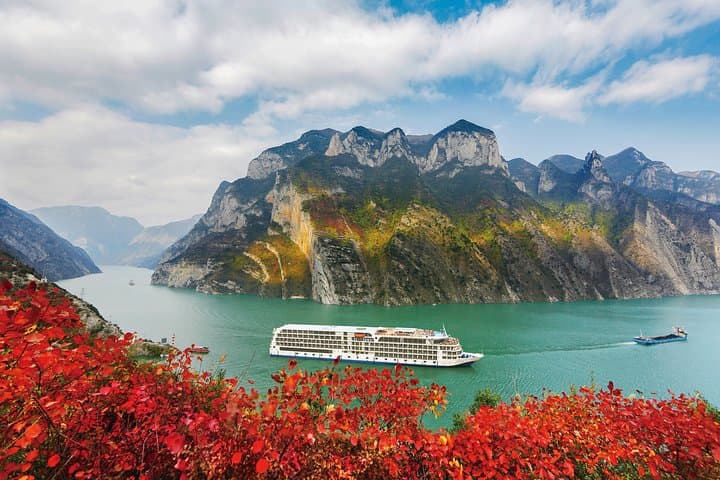
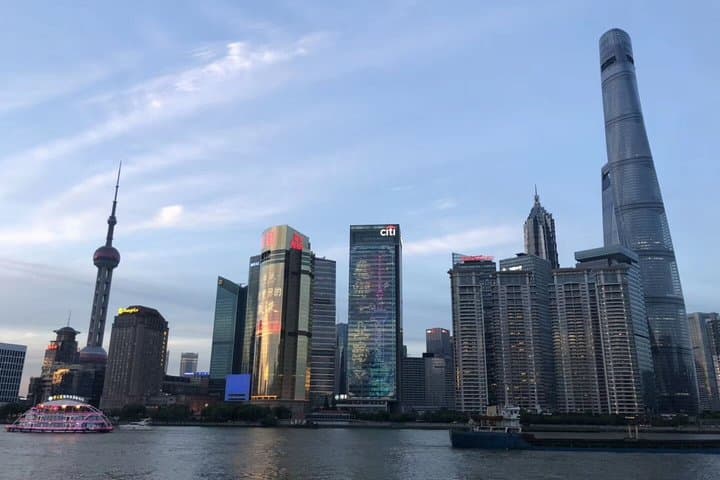
Morning light hits the Huangpu and Shanghai hums below glass towers; by week two the same travelers stand on a cruise deck watching the Yangtze carve a corridor through steep gorges. This 13-day private itinerary stitches city skylines, a five-star Yangtze cruise and southern karst country into one continuous travel rhythm.
Verified experiences and guided adventures in the surrounding area.
Operated by happychinatours · Shanghai, Shanghai
Morning light hits the Huangpu and Shanghai hums below glass towers; by week two the same travelers stand on a cruise deck watching the Yangtze carve a corridor through steep gorges. This 13-day private itinerary stitches city skylines, a five-star Yangtze cruise and southern karst country into one continuous travel rhythm.
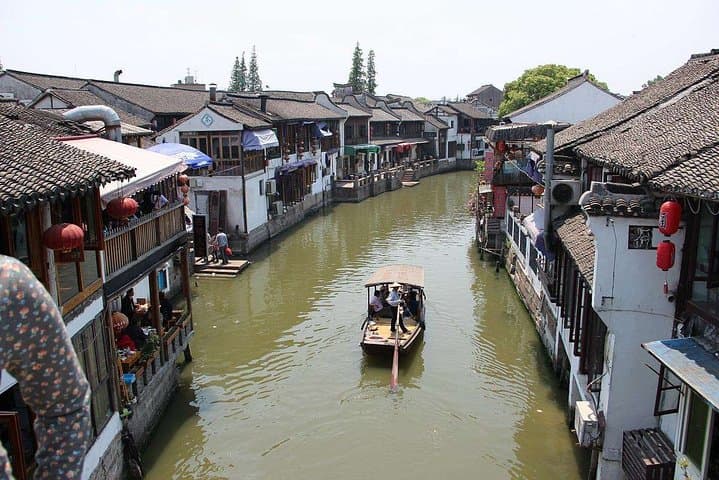
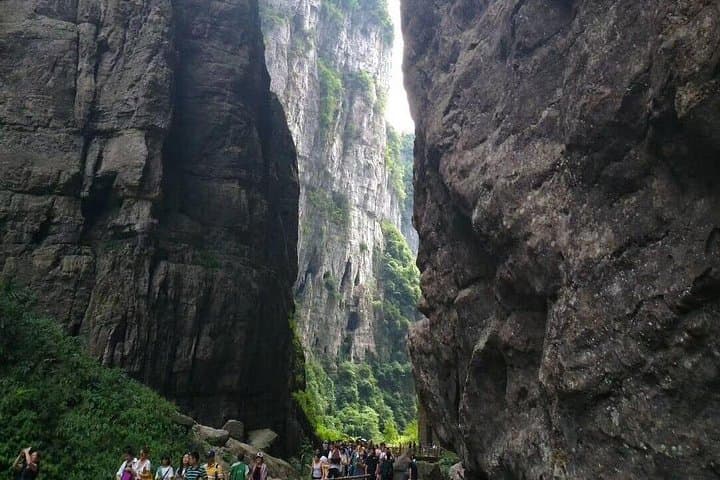
Travelers move from Shanghai's modern planning halls and the old-world alleys of Yuyuan, to the engineered immensity of the Three Gorges Dam and the narrow, thunderous cuts of Xiling and Qutang Gorges. Geology writes itself across the route: Precambrian limestone and karst in Guilin, terraced loess slopes around Longji, and millennia-old earthworks visible at the Terracotta Army and the Ming-era Mutianyu wall. Cultural layers are thick — Tang dynasty streets in Xi’an, imperial rituals in Beijing’s Temple of Heaven, and Tujia folk songs drifting on Shennong Stream.
Expect varied terrain: urban walking, a handful of moderate climbs (Mutianyu watchtowers, Xianggong Hill, steps to Ping’an), and gentle riverboard transfers. Little moments matter — morning light on the Li River, ferry pilots chanting on Shennong Stream, and the hush inside Reed Flute Cave.
Practical edge: carry layered clothing, a light daypack, and a sturdy pair of walking shoes; bring passport copies, local SIM or eSIM for navigation, and plan around Chinese national holidays when sites and transport sell out. Book early for the Yangtze cruise and allow buffer time for domestic flights — the route is paced, but logistics reward a margin of time.
moderate.
13 days.
Suitable for travelers comfortable with daily walking, several short uphill climbs (20–60 minutes), and boarding small boats; no intense cardio required.
The itinerary includes economy-class domestic flights between major stops and boarding on the listed Victoria Cruise; confirm specific flight numbers and cabin on booking.
Much of the tour is wheelchair accessible (vehicle transfers, many museums), but several sites (Mutianyu, Longji terraces, Xianggong Hill) involve stairs or uneven surfaces and are best for those who can manage short climbs.
Spring and autumn offer mild temperatures and clearer visibility on the Yangtze and Li River; avoid China’s National Day (Oct 1–7) and Lunar New Year when transport and sites are extremely busy.
Travelers to China need a valid visa and passport; the operator requires passport details and expiry date at booking, and domestic tickets are issued in your passport name.
The route juxtaposes ancient and modern engineering—from Ming-era Great Wall sections and the 2,200-year-old Terracotta Army to the 21st-century Three Gorges Dam that reshaped the Yangtze.
The Three Gorges project and mass tourism have changed local ecosystems; travel with licensed guides, avoid single-use plastics where possible, and stay on designated paths to reduce wear on fragile karst and terrace landscapes.
happychinatours operates guided outdoor trips and adventures with an emphasis on safety, stewardship, and memorable experiences.
Morning light hits the Huangpu and Shanghai hums below glass towers; by week two the same travelers stand on a cruise deck watching the Yangtze carve a corridor through steep gorges. This 13-day private itinerary stitches city skylines, a five-star Yangtze cruise and southern karst country into one continuous travel rhythm.
Morning light hits the Huangpu and Shanghai hums below glass towers; by week two the same travelers stand on a cruise deck watching the Yangtze carve a corridor through steep gorges. This 13-day private itinerary stitches city skylines, a five-star Yangtze cruise and southern karst country into one continuous travel rhythm.
Travelers move from Shanghai's modern planning halls and the old-world alleys of Yuyuan, to the engineered immensity of the Three Gorges Dam and the narrow, thunderous cuts of Xiling and Qutang Gorges. Geology writes itself across the route: Precambrian limestone and karst in Guilin, terraced loess slopes around Longji, and millennia-old earthworks visible at the Terracotta Army and the Ming-era Mutianyu wall. Cultural layers are thick — Tang dynasty streets in Xi’an, imperial rituals in Beijing’s Temple of Heaven, and Tujia folk songs drifting on Shennong Stream.
Expect varied terrain: urban walking, a handful of moderate climbs (Mutianyu watchtowers, Xianggong Hill, steps to Ping’an), and gentle riverboard transfers. Little moments matter — morning light on the Li River, ferry pilots chanting on Shennong Stream, and the hush inside Reed Flute Cave.
Practical edge: carry layered clothing, a light daypack, and a sturdy pair of walking shoes; bring passport copies, local SIM or eSIM for navigation, and plan around Chinese national holidays when sites and transport sell out. Book early for the Yangtze cruise and allow buffer time for domestic flights — the route is paced, but logistics reward a margin of time.