THE ADVENTURE COLLECTIVE® · Independent discovery and booking for outdoor travel

A coast-to-Andes loop that moves from Lima’s coastline to Machu Picchu via Nazca, Arequipa, Colca Canyon and Lake Titicaca. Expect long scenic transfers, high-altitude stops, wildlife encounters and a timed visit to the citadel of Machu Picchu.
A coast-to-Andes loop that moves from Lima’s coastline to Machu Picchu via Nazca, Arequipa, Colca Canyon and Lake Titicaca. Expect long scenic transfers, high-altitude stops, wildlife encounters and a timed visit to the citadel of Machu Picchu.
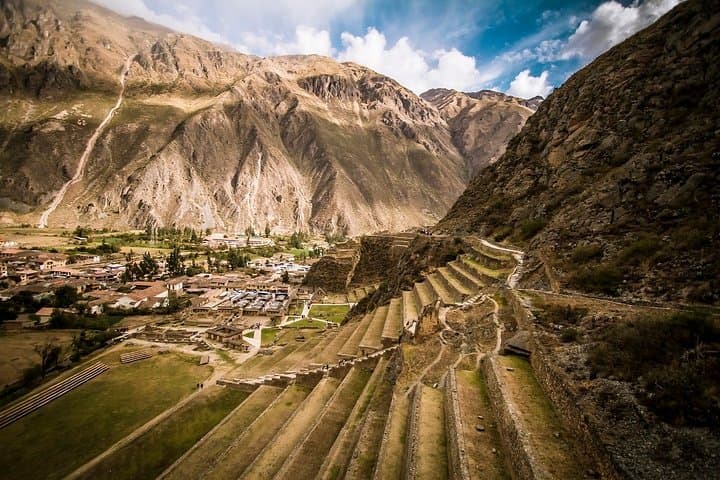
The first light over the Pacific spills across Lima as you step off the transfer bus and feel the trip open beneath your feet. Over thirteen days the route pulls you inland—through windswept coastal desert to the Ballestas’ barking sea lions, up long highways that climb past volcano farms into the thin, arid air of the high Andes, and finally into the stone-built terraces and narrow streets of the Sacred Valley and Machu Picchu.
Verified experiences and guided adventures in the surrounding area.
Operated by LimaTours · Lima, Lima
The first light over the Pacific spills across Lima as you step off the transfer bus and feel the trip open beneath your feet. Over thirteen days the route pulls you inland—through windswept coastal desert to the Ballestas’ barking sea lions, up long highways that climb past volcano farms into the thin, arid air of the high Andes, and finally into the stone-built terraces and narrow streets of the Sacred Valley and Machu Picchu.
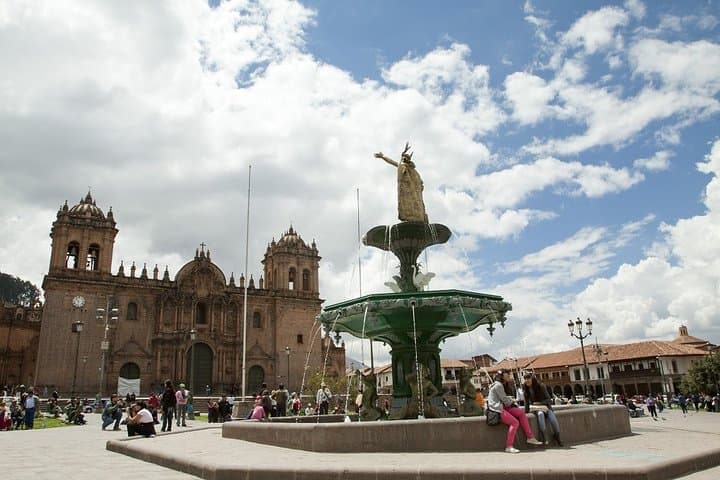
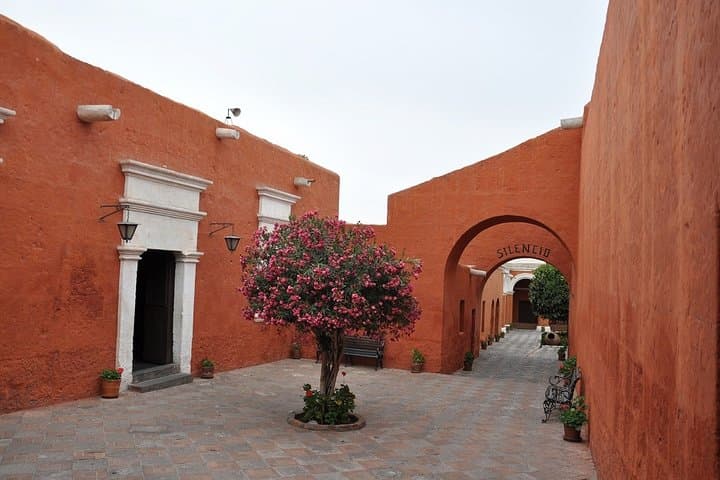
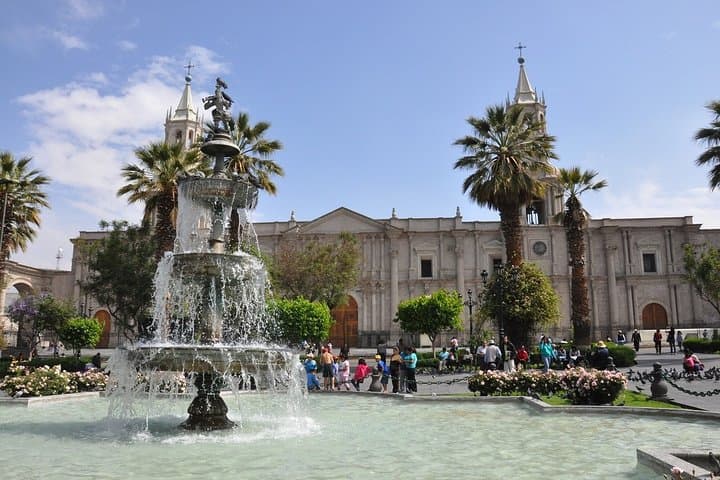
This corridor of southern Peru is geology and culture in motion: coastal sands sculpted into geoglyphs at Nazca, Pleistocene marine terraces, volcanic cones framing Arequipa, and the Colca Canyon carved by millennia of river work. The route threads living Quechua traditions—textile workshops in Chinchero, reed islands of the Uros, and communal festivals on Taquile—onto a backdrop of Inca stonework and colonial churches.
Expect a mix of travel rhythms: long scenic drives, a small aircraft over the Nazca Lines, boat rides around wildlife-rich islands, a train through cloud forest to Aguas Calientes, and guided walks across archaeological sites. Altitude is a practical factor—many stops sit above 3,000–4,900 m—so pacing and hydration matter. Practical tips: pack layers for cold nights, bring a reusable water bottle (single-use plastics are banned in reserves), and budget time for acclimatization in Puno or Cusco. Train and Machu Picchu bookings are fixed; follow ID and luggage rules closely. This is less a sprint and more a curated cross-section of Peru: sensory, varied, and logistically structured to deliver culture, wildlife, and high-Andean landscapes in one continuous sweep.
moderate.
13 days.
Suitable for travelers in average fitness who can handle multiple long bus transfers and short guided walks at altitude; allow time to acclimatize.
Yes—several stops exceed 3,000 m (Puno, Cusco) and viewpoints reach ~4,900 m; drink plenty of water, avoid alcohol, and consider ascending gradually or using prophylactics after consulting a doctor.
Roundtrip train service to Machu Picchu (Expedition/Voyager) and a flight over the Nazca Lines are included as listed; domestic flights to connect into the itinerary must meet timing requirements.
Train tickets are issued with the name on your booking—carry the same passport used to purchase; hand luggage is limited to one bag ≤5 kg and total dimensions ≤157 cm.
No—single-use plastics are prohibited in many reserves including Machu Picchu; bring a reusable bottle and use official refill points.
Southern Peru fuses pre-Inca and Inca civilisations with Spanish colonial history: sites like Coricancha and Ollantaytambo show continuity of stonework and ritual use across centuries.
Protected areas such as Paracas Reserve and Machu Picchu limit single-use plastics and control visitor numbers; stick to marked trails and follow local waste rules to reduce impact.
LimaTours operates guided outdoor trips and adventures with an emphasis on safety, stewardship, and memorable experiences.
The first light over the Pacific spills across Lima as you step off the transfer bus and feel the trip open beneath your feet. Over thirteen days the route pulls you inland—through windswept coastal desert to the Ballestas’ barking sea lions, up long highways that climb past volcano farms into the thin, arid air of the high Andes, and finally into the stone-built terraces and narrow streets of the Sacred Valley and Machu Picchu.
The first light over the Pacific spills across Lima as you step off the transfer bus and feel the trip open beneath your feet. Over thirteen days the route pulls you inland—through windswept coastal desert to the Ballestas’ barking sea lions, up long highways that climb past volcano farms into the thin, arid air of the high Andes, and finally into the stone-built terraces and narrow streets of the Sacred Valley and Machu Picchu.
This corridor of southern Peru is geology and culture in motion: coastal sands sculpted into geoglyphs at Nazca, Pleistocene marine terraces, volcanic cones framing Arequipa, and the Colca Canyon carved by millennia of river work. The route threads living Quechua traditions—textile workshops in Chinchero, reed islands of the Uros, and communal festivals on Taquile—onto a backdrop of Inca stonework and colonial churches.
Expect a mix of travel rhythms: long scenic drives, a small aircraft over the Nazca Lines, boat rides around wildlife-rich islands, a train through cloud forest to Aguas Calientes, and guided walks across archaeological sites. Altitude is a practical factor—many stops sit above 3,000–4,900 m—so pacing and hydration matter. Practical tips: pack layers for cold nights, bring a reusable water bottle (single-use plastics are banned in reserves), and budget time for acclimatization in Puno or Cusco. Train and Machu Picchu bookings are fixed; follow ID and luggage rules closely. This is less a sprint and more a curated cross-section of Peru: sensory, varied, and logistically structured to deliver culture, wildlife, and high-Andean landscapes in one continuous sweep.