THE ADVENTURE COLLECTIVE® · Independent discovery and booking for outdoor travel

A compact 13-day circuit through Nepal that pairs Annapurna tea-house trekking and a sunrise from Poon Hill with Pokhara’s lakeside calm, jungle safaris in Chitwan, and a Trishuli river raft. Expect varied terrain, guesthouse nights, and cultural highlights across the Kathmandu Valley.
A compact 13-day circuit through Nepal that pairs Annapurna tea-house trekking and a sunrise from Poon Hill with Pokhara’s lakeside calm, jungle safaris in Chitwan, and a Trishuli river raft. Expect varied terrain, guesthouse nights, and cultural highlights across the Kathmandu Valley.
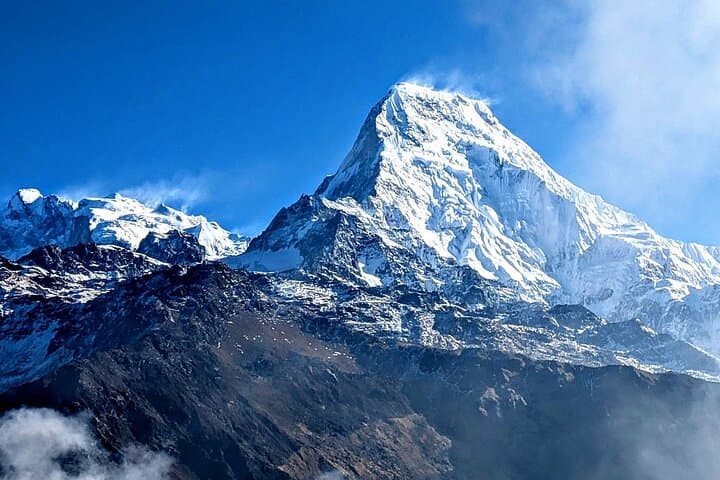
The bus eases out of Kathmandu at dawn, terraces and river valleys folding away as the Himalaya sharpens on the horizon. By the time you reach Pokhara, the lake mirrors massive snowy ridgelines; later the trail pushes you through rhododendron forests, stone steps, and mountain villages until Poon Hill hands you a sunrise that rearranges perspective.
Verified experiences and guided adventures in the surrounding area.
Operated by CAN Travels · Kathmandu, Bagmati Province
The bus eases out of Kathmandu at dawn, terraces and river valleys folding away as the Himalaya sharpens on the horizon. By the time you reach Pokhara, the lake mirrors massive snowy ridgelines; later the trail pushes you through rhododendron forests, stone steps, and mountain villages until Poon Hill hands you a sunrise that rearranges perspective.
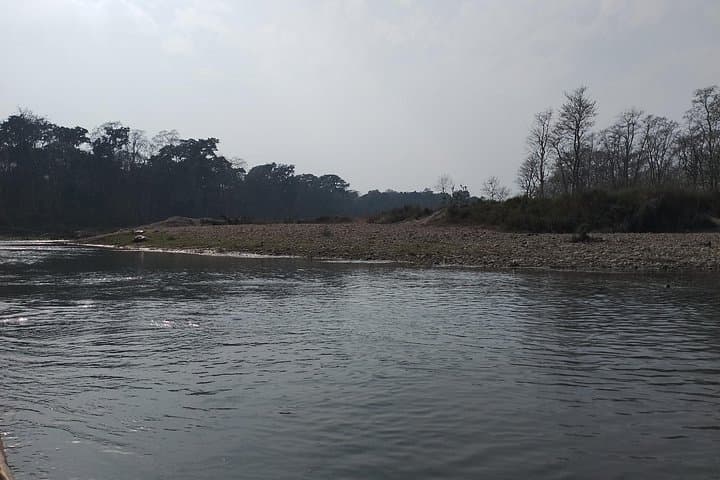
This itinerary threads together Nepal’s cultural and geological story: centuries-old Buddhist stupas and Newar palaces in Kathmandu and Bhaktapur; glacially carved Annapurna slopes rising above 2,000–8,000 meters; and the subtropical floodplains of Chitwan National Park, a UNESCO reserve protecting rhinos and tigers in sal and riverine forest.
Culture shows up in small ways—Gurkha histories in Ghandruk, morning puja smoke at Boudhanath, and community-run teahouses on the trail. Geology is loud in the mountain silhouettes: layered thrust faults, steep valleys, and moraine-fed streams reminding you the range is still rising.
Practically: expect sustained uphill days (Nayapul–Ulleri ~6–7 hours; Ghorepani ascent before Poon Hill), night stops in guesthouses and 2-star hotels, permits handled by your operator, and guided activities—rafting on the Trishuli (3–4 hours) and jungle walks/safari in Chitwan. Altitudes peak at Poon Hill (~3,210 m), so pace your climbs and hydrate; mornings are best for clear mountain views. Footwear with solid traction, layered insulation for cold mornings, and a small daypack for water and photo gear will keep the trip moving.
This is a balanced route: not technical mountaineering, but a full-bodied mix of culture, river runs, wildlife, and highland trekking—ideal for travelers with steady fitness who want a compact Himalayan experience.
moderate.
13 days.
Suitable for travelers with moderate fitness able to handle several 4–7 hour trekking days and short river activities
No technical experience is required, but you should be comfortable with 4–7 hour hikes and uneven terrain; basic fitness and a paced approach make the trek enjoyable.
The tour states that national park and trekking permits and official documents are included; confirm with the operator for specific entry fee coverage.
Accommodation is mainly guesthouses on the trek and 2-star hotels in cities—simple, clean rooms with shared bathrooms on some trail nights.
Clear mountain vistas are most reliable in spring (March–May) and autumn (September–November); early mornings give the best visibility for Poon Hill sunrises.
Kathmandu Valley has been a political and religious crossroads for over a millennium, with Newar city-states shaping much of Nepal’s urban art and architecture.
Chitwan NP is managed to balance tourism with habitat protection; stick to designated trails, avoid feeding wildlife, and support community-based tourism initiatives.
CAN Travels operates guided outdoor trips and adventures with an emphasis on safety, stewardship, and memorable experiences.
The bus eases out of Kathmandu at dawn, terraces and river valleys folding away as the Himalaya sharpens on the horizon. By the time you reach Pokhara, the lake mirrors massive snowy ridgelines; later the trail pushes you through rhododendron forests, stone steps, and mountain villages until Poon Hill hands you a sunrise that rearranges perspective.
The bus eases out of Kathmandu at dawn, terraces and river valleys folding away as the Himalaya sharpens on the horizon. By the time you reach Pokhara, the lake mirrors massive snowy ridgelines; later the trail pushes you through rhododendron forests, stone steps, and mountain villages until Poon Hill hands you a sunrise that rearranges perspective.
This itinerary threads together Nepal’s cultural and geological story: centuries-old Buddhist stupas and Newar palaces in Kathmandu and Bhaktapur; glacially carved Annapurna slopes rising above 2,000–8,000 meters; and the subtropical floodplains of Chitwan National Park, a UNESCO reserve protecting rhinos and tigers in sal and riverine forest.
Culture shows up in small ways—Gurkha histories in Ghandruk, morning puja smoke at Boudhanath, and community-run teahouses on the trail. Geology is loud in the mountain silhouettes: layered thrust faults, steep valleys, and moraine-fed streams reminding you the range is still rising.
Practically: expect sustained uphill days (Nayapul–Ulleri ~6–7 hours; Ghorepani ascent before Poon Hill), night stops in guesthouses and 2-star hotels, permits handled by your operator, and guided activities—rafting on the Trishuli (3–4 hours) and jungle walks/safari in Chitwan. Altitudes peak at Poon Hill (~3,210 m), so pace your climbs and hydrate; mornings are best for clear mountain views. Footwear with solid traction, layered insulation for cold mornings, and a small daypack for water and photo gear will keep the trip moving.
This is a balanced route: not technical mountaineering, but a full-bodied mix of culture, river runs, wildlife, and highland trekking—ideal for travelers with steady fitness who want a compact Himalayan experience.