THE ADVENTURE COLLECTIVE® · Independent discovery and booking for outdoor travel

Traverse Mongolia from the Khongor sand dunes to the UNESCO-listed Orkhon Valley on a 13-day expedition that mixes desert dunes, granite outcrops, dinosaur fossils and nomadic hospitality. Expect long drives, simple ger-camp nights and vivid early mornings under vast skies.
Traverse Mongolia from the Khongor sand dunes to the UNESCO-listed Orkhon Valley on a 13-day expedition that mixes desert dunes, granite outcrops, dinosaur fossils and nomadic hospitality. Expect long drives, simple ger-camp nights and vivid early mornings under vast skies.
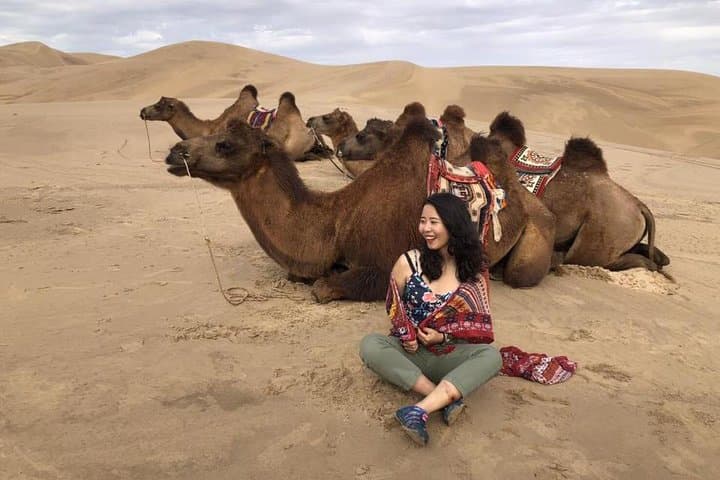
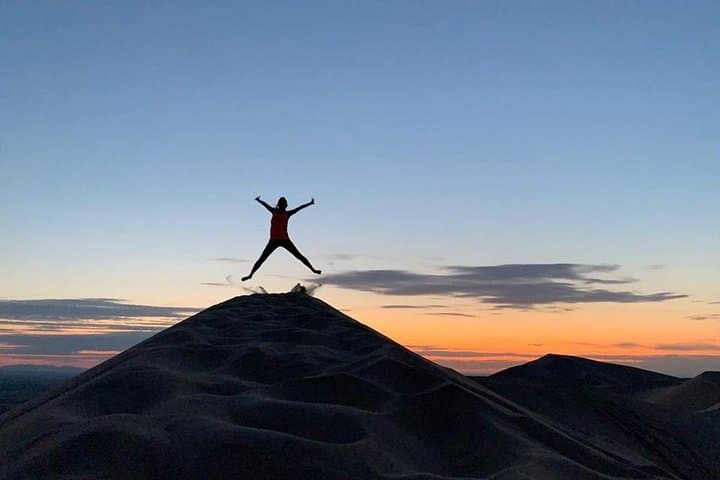
A wind-swept dawn on the Khongor sand dunes sets the tone: sand slides underfoot and the horizon blooms orange as camels silhouette against it. The air here changes like a mood—dry and sharp in the Gobi, cool and green in the Orkhon Valley—so the trip feels like a sequence of landscapes rather than a single place. Travelers move from Ulaanbaatar’s city-edge into granite tors, marble-like white cliffs, and the long quiet of dunefields.
Verified experiences and guided adventures in the surrounding area.
Operated by Explore Mongolia with Falcon Journey · Ulaanbaatar, Ulaanbaatar
A wind-swept dawn on the Khongor sand dunes sets the tone: sand slides underfoot and the horizon blooms orange as camels silhouette against it. The air here changes like a mood—dry and sharp in the Gobi, cool and green in the Orkhon Valley—so the trip feels like a sequence of landscapes rather than a single place. Travelers move from Ulaanbaatar’s city-edge into granite tors, marble-like white cliffs, and the long quiet of dunefields.
This route threads through Mongolia’s layered history: Gobi fossils at Bayanzag, the ruined temples of Ongi, and the ancient seat of the Mongol Empire at Kharkhorin with Erdene Zuu’s monastery stones. Geology is on display—granite massifs at Baga Gazriin Chuluu, volcanic basalt shaping Orkhon waterfalls, and aeolian processes that sculpt Khongor’s shifting ridgelines. Culturally, the trip stitches nomadic practice into the itinerary: ger camps, a night with a local family, and yak-milking demonstrations.
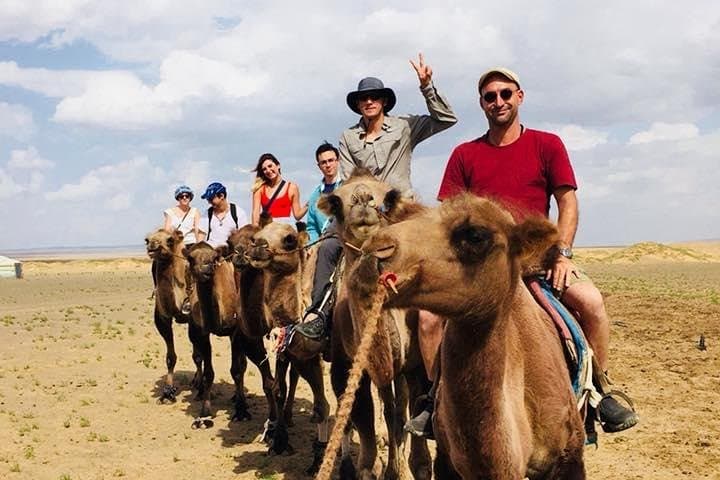
Expect day hikes of gentle to moderate length, short camel rides, and long drives over mixed gravel and paved roads; nights alternate between basic ger camps and simple hotels. Hydration and sun protection are constant needs in the Gobi; layering is crucial when you cross into central Mongolia’s higher, cooler valleys. Bring a small first-aid kit, durable boots, and an appetite for early mornings—the best light and wildlife activity happen at dawn.
Practical notes: route logistics are usually handled by private transport and local guides, permits are not generally required for these public sites, and travel across this itinerary rewards patience and a tolerance for remote conditions.
moderate.
13 days.
Suitable for travelers in good general fitness who can handle multi-hour drives, short hikes, and some uneven terrain.
Daily activity ranges from short, gentle hikes (30–90 minutes) to longer walks around dunes and canyons; no technical climbing is required.
Accommodations alternate between simple 3-star hotels in Ulaanbaatar, ger camps with basic facilities, and a night with a local nomadic family—expect modest comforts.
The itinerary is family-friendly but involves long vehicle transfers and simple lodging; consult the operator for mobility limitations and age policies.
No special permits are required for standard tourist sites; check routine travel vaccinations and carry valid passport and any required visas.
The route links key eras: dinosaur-rich Bayanzag, medieval Karakorum/Erdene Zuu, and monastic centers whose ruins reflect 20th-century upheavals.
The steppe and desert ecosystems are fragile—avoid off-track vehicle routes, minimize campfire impact, and respect livestock grazing areas to support local livelihoods.
Explore Mongolia with Falcon Journey operates guided outdoor trips and adventures with an emphasis on safety, stewardship, and memorable experiences.

A wind-swept dawn on the Khongor sand dunes sets the tone: sand slides underfoot and the horizon blooms orange as camels silhouette against it. The air here changes like a mood—dry and sharp in the Gobi, cool and green in the Orkhon Valley—so the trip feels like a sequence of landscapes rather than a single place. Travelers move from Ulaanbaatar’s city-edge into granite tors, marble-like white cliffs, and the long quiet of dunefields.
A wind-swept dawn on the Khongor sand dunes sets the tone: sand slides underfoot and the horizon blooms orange as camels silhouette against it. The air here changes like a mood—dry and sharp in the Gobi, cool and green in the Orkhon Valley—so the trip feels like a sequence of landscapes rather than a single place. Travelers move from Ulaanbaatar’s city-edge into granite tors, marble-like white cliffs, and the long quiet of dunefields.
This route threads through Mongolia’s layered history: Gobi fossils at Bayanzag, the ruined temples of Ongi, and the ancient seat of the Mongol Empire at Kharkhorin with Erdene Zuu’s monastery stones. Geology is on display—granite massifs at Baga Gazriin Chuluu, volcanic basalt shaping Orkhon waterfalls, and aeolian processes that sculpt Khongor’s shifting ridgelines. Culturally, the trip stitches nomadic practice into the itinerary: ger camps, a night with a local family, and yak-milking demonstrations.
Expect day hikes of gentle to moderate length, short camel rides, and long drives over mixed gravel and paved roads; nights alternate between basic ger camps and simple hotels. Hydration and sun protection are constant needs in the Gobi; layering is crucial when you cross into central Mongolia’s higher, cooler valleys. Bring a small first-aid kit, durable boots, and an appetite for early mornings—the best light and wildlife activity happen at dawn.
Practical notes: route logistics are usually handled by private transport and local guides, permits are not generally required for these public sites, and travel across this itinerary rewards patience and a tolerance for remote conditions.