THE ADVENTURE COLLECTIVE® · Independent discovery and booking for outdoor travel

Travel from Cairo’s pyramids to Nile temples and remote western oases on a 13-day guided journey. Expect long drives, an overnight Nile cruise, and daily guided visits to Egypt’s greatest archaeological sites.
Travel from Cairo’s pyramids to Nile temples and remote western oases on a 13-day guided journey. Expect long drives, an overnight Nile cruise, and daily guided visits to Egypt’s greatest archaeological sites.
The morning sun lifts over the Giza plateau and the Pyramids throw long, precise shadows; Cairo hums below while the Nile waits like a quiet current that will pull you south.
Verified experiences and guided adventures in the surrounding area.
Operated by Sheba Tours · Cairo, Cairo Governorate
The morning sun lifts over the Giza plateau and the Pyramids throw long, precise shadows; Cairo hums below while the Nile waits like a quiet current that will pull you south.
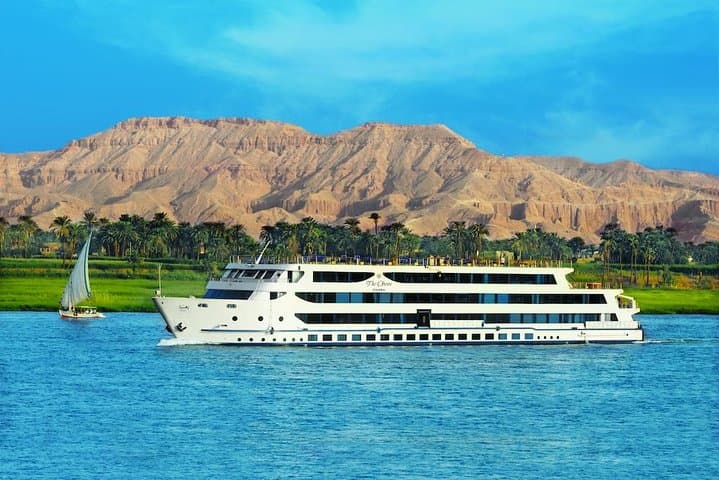
This 13-day itinerary threads modern Cairo with pharaonic capitals, desert oases and a multi-night Nile cruise. Beginning at the Pyramids of Giza and the Egyptian Museum, travelers move through Saqqara’s Step Pyramid and Dahshur’s bent stonework before the route opens into Fayoum’s Wadi El Rayan and the wide, wind-carved oases of Kharga and Dakhla. In Upper Egypt the cruise pauses at Luxor and the Valley of the Kings, then visits Kom Ombo and Edfu’s temples — examples of layered history from Old Kingdom mastabas to Roman-era sanctuaries.
Geology here alternates between limestone platforms and wind-polished sandstone; the desert’s pale folds keep artifacts remarkably preserved. Local culture is visible in market rhythms at Khan al-Khalili and in oasis villages like Balat, where Ottoman- and Pharaonic-era architecture sit side by side.
Practical guidance: pack sun protection and sturdy walking shoes for uneven temple steps, and expect long drives in air-conditioned vehicles. Bring original passports and photocopies for museum or ticket checks, and carry small bills for tipping guides and drivers. Hydrate often — the desert air dries you quickly — and plan site visits for early morning or late afternoon to avoid peak heat and the largest crowds.
This trip balances easy-paced driving and guided walking with a handful of short climbs and many photographic stops, making it accessible to most travelers who are comfortable with multi-day travel logistics and modest physical activity.
easy.
13 days.
Suitable for most fitness levels; requires ability to walk short uneven paths and board boats.
Many nationalities require a visa to enter Egypt; check embassy guidance and arrange either an e-visa online or visa on arrival where eligible before travel.
This tour often arranges site visits but entrance fees and special access (like tomb entry) may be additional—confirm specifics with the operator before booking.
The schedule mixes vehicle transfers and short guided walks; it’s low-impact but includes stairs and uneven surfaces — good mobility is recommended.
Private guides on similar tours commonly speak English; operators can usually provide other languages with advance notice and may request this at booking.
This route traces Egypt’s long arc: from Old Kingdom pyramids and Memphis to Theban temples at Luxor and later Roman and Ottoman influences visible in oasis settlements.
Freshwater resources and fragile archaeological sites require careful visitation—avoid littering, stay on paths, and follow guide instructions to limit erosion and damage.
Sheba Tours operates guided outdoor trips and adventures with an emphasis on safety, stewardship, and memorable experiences.

The morning sun lifts over the Giza plateau and the Pyramids throw long, precise shadows; Cairo hums below while the Nile waits like a quiet current that will pull you south.
The morning sun lifts over the Giza plateau and the Pyramids throw long, precise shadows; Cairo hums below while the Nile waits like a quiet current that will pull you south.
This 13-day itinerary threads modern Cairo with pharaonic capitals, desert oases and a multi-night Nile cruise. Beginning at the Pyramids of Giza and the Egyptian Museum, travelers move through Saqqara’s Step Pyramid and Dahshur’s bent stonework before the route opens into Fayoum’s Wadi El Rayan and the wide, wind-carved oases of Kharga and Dakhla. In Upper Egypt the cruise pauses at Luxor and the Valley of the Kings, then visits Kom Ombo and Edfu’s temples — examples of layered history from Old Kingdom mastabas to Roman-era sanctuaries.
Geology here alternates between limestone platforms and wind-polished sandstone; the desert’s pale folds keep artifacts remarkably preserved. Local culture is visible in market rhythms at Khan al-Khalili and in oasis villages like Balat, where Ottoman- and Pharaonic-era architecture sit side by side.
Practical guidance: pack sun protection and sturdy walking shoes for uneven temple steps, and expect long drives in air-conditioned vehicles. Bring original passports and photocopies for museum or ticket checks, and carry small bills for tipping guides and drivers. Hydrate often — the desert air dries you quickly — and plan site visits for early morning or late afternoon to avoid peak heat and the largest crowds.
This trip balances easy-paced driving and guided walking with a handful of short climbs and many photographic stops, making it accessible to most travelers who are comfortable with multi-day travel logistics and modest physical activity.