THE ADVENTURE COLLECTIVE® · Independent discovery and booking for outdoor travel

A 13-day ascent into the Annapurna Sanctuary that pairs close-up alpine views with village culture and teahouse comforts. This guide outlines what to expect—terrain, permits, and practical preparations—for a safer, more rewarding trek.
A 13-day ascent into the Annapurna Sanctuary that pairs close-up alpine views with village culture and teahouse comforts. This guide outlines what to expect—terrain, permits, and practical preparations—for a safer, more rewarding trek.
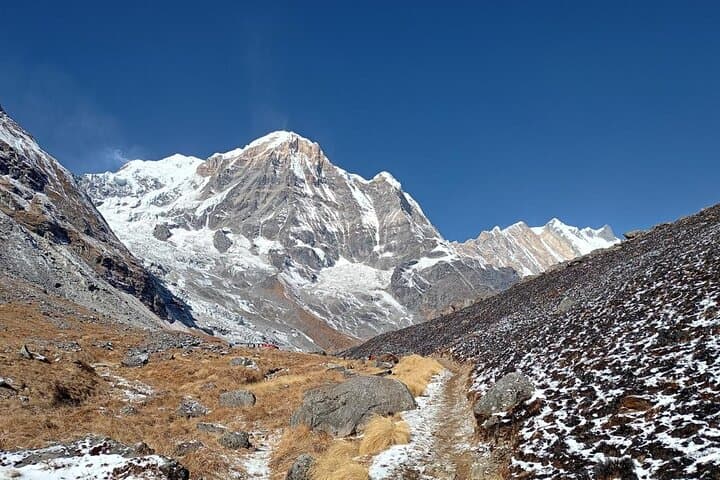
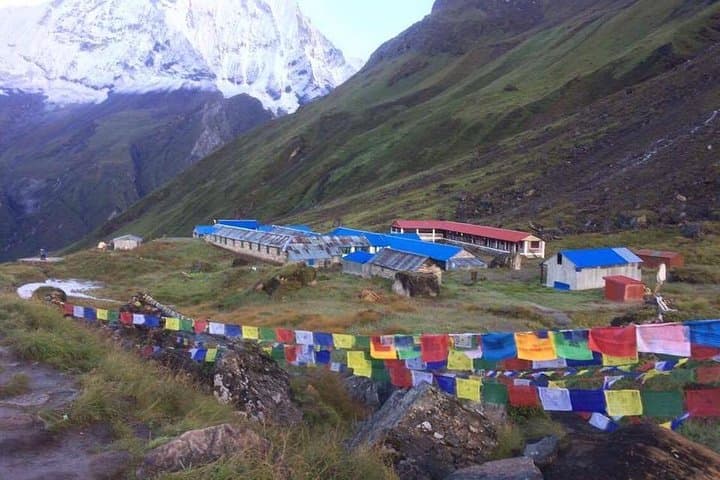
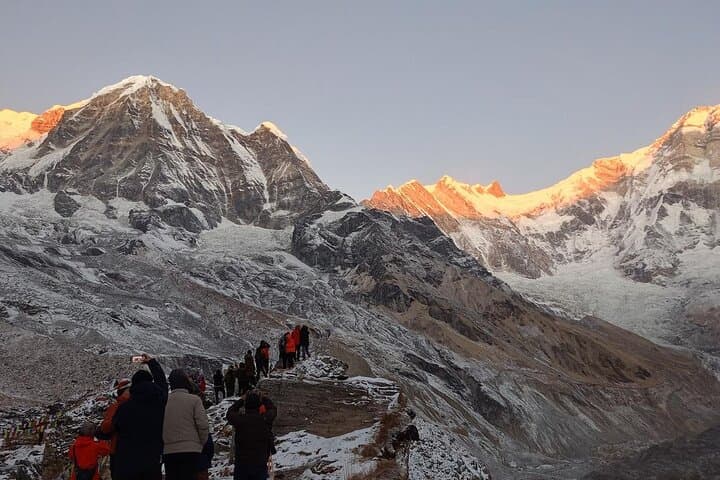
Early on a mist-soft morning the trail leaves terraced fields and climbs into a corridor of rhododendron and oak. The path narrows, streams begin to chatter like impatient guides, and the giants of the Annapurna Massif come into view—Annapurna I, Hiunchuli and Machhapuchhre watching over the valley. By the time you arrive at the Annapurna Base Camp the mountains feel immediate: ice ribs and seracs leaning into the sky, the sanctuary bowl holding alpine meadows and stone teahouses.
Verified experiences and guided adventures in the surrounding area.
Operated by Trekking Guide Team Adventure · Pokhara, Gandaki Province
Early on a mist-soft morning the trail leaves terraced fields and climbs into a corridor of rhododendron and oak. The path narrows, streams begin to chatter like impatient guides, and the giants of the Annapurna Massif come into view—Annapurna I, Hiunchuli and Machhapuchhre watching over the valley. By the time you arrive at the Annapurna Base Camp the mountains feel immediate: ice ribs and seracs leaning into the sky, the sanctuary bowl holding alpine meadows and stone teahouses.
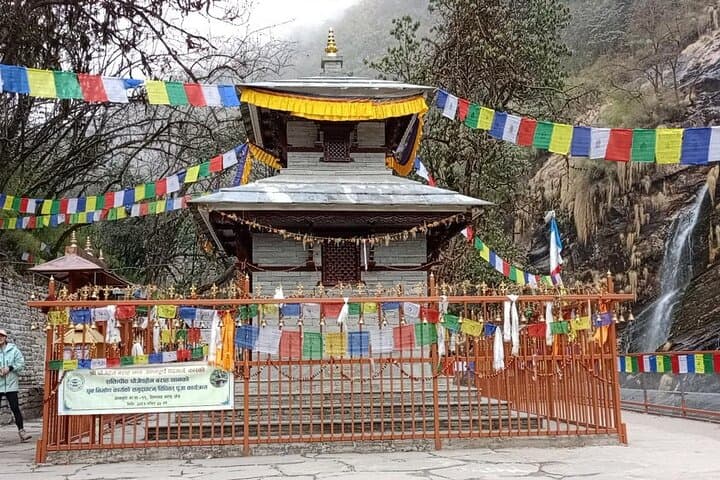
The route follows ancient mule tracks through villages populated largely by Gurung and Magar communities; their farming terraces and stone houses reflect centuries of highland culture. Geologically, the sanctuary is a folded basin carved by glacial action and monsoon runoff—steep moraines give way to broad scree slopes near base camp. Local history ties closely to trade routes and to postwar mountaineering exploration that brought this sanctuary to international attention.
Practical guidance: the trek is a multi-day, high-altitude itinerary that requires gradual acclimatization—plan rest days and monitor for AMS. Permits (ACAP and TIMS) are mandatory and typically handled before or at the start in Pokhara. Expect variable weather: clear, cold mornings and wet, slushy afternoons during monsoon. Guides and porters are widely available and recommended for navigation, load sharing, and emergency response. Pack layered insulated clothing, rigid-soled trekking boots, a -10 to -15°C rated sleeping bag, and a reliable water treatment method. Hydrate often and respect local customs in villages—small purchases at teahouses are the region's economic backbone. With steady pace and basic altitude awareness, the Annapurna Base Camp trek delivers close-up mountain drama and an intimate look at Himalayan life.
challenging.
13 days.
Suitable for trekkers with good cardiovascular fitness and multi-day hiking experience; comfortable with sustained daily climbs and high altitude.
Guides are not mandatory but highly recommended for navigation, permit support, and emergency response; independent trekkers must still carry ACAP and TIMS permits.
You need an ACAP (Annapurna Conservation Area Project) permit and a TIMS card; these are issued in Pokhara or at check-in points along the route.
Expect sustained uphill days of 4–7 hours with altitude gain; good cardiovascular fitness and prior multi-day hiking experience will make the trek safer and more enjoyable.
Spring (March–May) and autumn (Sept–Nov) offer the most stable weather and clear views; shoulder seasons are viable with more variable conditions.
The Annapurna Sanctuary has long been home to Gurung and Magar communities; western exploration and mountaineering in the mid‑20th century opened the region to international trekking.
The Annapurna Conservation Area (ACAP) manages permits and promotes waste management; trekkers are asked to minimize plastic, respect teahouse waste rules, and support local services.
Trekking Guide Team Adventure operates guided outdoor trips and adventures with an emphasis on safety, stewardship, and memorable experiences.
Early on a mist-soft morning the trail leaves terraced fields and climbs into a corridor of rhododendron and oak. The path narrows, streams begin to chatter like impatient guides, and the giants of the Annapurna Massif come into view—Annapurna I, Hiunchuli and Machhapuchhre watching over the valley. By the time you arrive at the Annapurna Base Camp the mountains feel immediate: ice ribs and seracs leaning into the sky, the sanctuary bowl holding alpine meadows and stone teahouses.
Early on a mist-soft morning the trail leaves terraced fields and climbs into a corridor of rhododendron and oak. The path narrows, streams begin to chatter like impatient guides, and the giants of the Annapurna Massif come into view—Annapurna I, Hiunchuli and Machhapuchhre watching over the valley. By the time you arrive at the Annapurna Base Camp the mountains feel immediate: ice ribs and seracs leaning into the sky, the sanctuary bowl holding alpine meadows and stone teahouses.
The route follows ancient mule tracks through villages populated largely by Gurung and Magar communities; their farming terraces and stone houses reflect centuries of highland culture. Geologically, the sanctuary is a folded basin carved by glacial action and monsoon runoff—steep moraines give way to broad scree slopes near base camp. Local history ties closely to trade routes and to postwar mountaineering exploration that brought this sanctuary to international attention.
Practical guidance: the trek is a multi-day, high-altitude itinerary that requires gradual acclimatization—plan rest days and monitor for AMS. Permits (ACAP and TIMS) are mandatory and typically handled before or at the start in Pokhara. Expect variable weather: clear, cold mornings and wet, slushy afternoons during monsoon. Guides and porters are widely available and recommended for navigation, load sharing, and emergency response. Pack layered insulated clothing, rigid-soled trekking boots, a -10 to -15°C rated sleeping bag, and a reliable water treatment method. Hydrate often and respect local customs in villages—small purchases at teahouses are the region's economic backbone. With steady pace and basic altitude awareness, the Annapurna Base Camp trek delivers close-up mountain drama and an intimate look at Himalayan life.