THE ADVENTURE COLLECTIVE® · Independent discovery and booking for outdoor travel

A series of 12 winter walks across West Cork led by local storytellers, each day revealing a different coastal or inland route. Expect 2–3 hour hikes on uneven terrain, local history, and proceeds that support community charities.
A series of 12 winter walks across West Cork led by local storytellers, each day revealing a different coastal or inland route. Expect 2–3 hour hikes on uneven terrain, local history, and proceeds that support community charities.
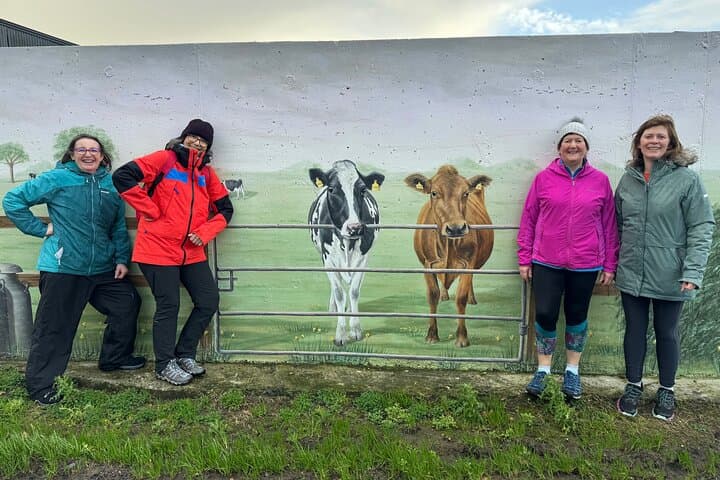
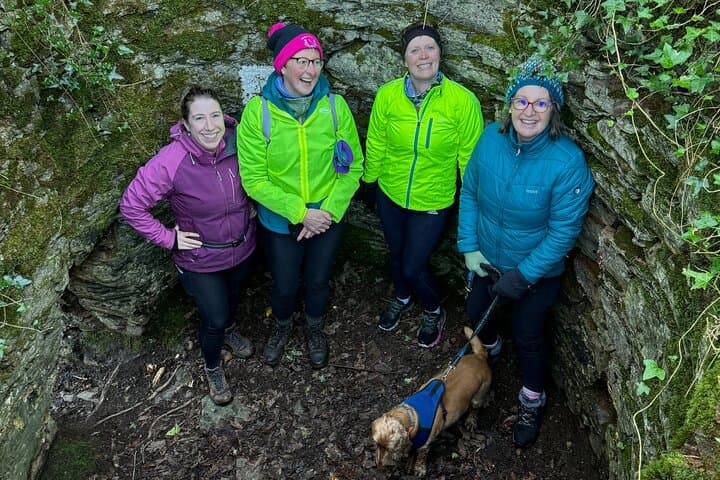
The wind off the Atlantic cuts clear; walkers pull collars up and follow a local dinnseanchaí who points out a ruined church, a headland shelf, and a story that has shaped the coastline. Each winter day in this series starts at a different trailhead across West Cork—rocky promontories at Toe Head, bog-edge lanes near Abbeystrowry, quiet strandlines at Tragumna—so every walk feels like a small, seasonal reveal.
Verified experiences and guided adventures in the surrounding area.
Operated by Gormú · Skibbereen, County Cork
The wind off the Atlantic cuts clear; walkers pull collars up and follow a local dinnseanchaí who points out a ruined church, a headland shelf, and a story that has shaped the coastline. Each winter day in this series starts at a different trailhead across West Cork—rocky promontories at Toe Head, bog-edge lanes near Abbeystrowry, quiet strandlines at Tragumna—so every walk feels like a small, seasonal reveal.
Geology here reads like a field guide: old red sandstone cliffs, glacially scoured coves, and peninsulas carved by the sea. The cultural layer is as visible—the Gaelic place names, fishing coves, and the tradition of the storyteller (dinnseanchaí) who links landscape to local history. These walks are community-driven: volunteers guide routes that give access to lesser-known viewpoints and support local charities with ticket proceeds.
Practical guidance is straightforward. Each walk is roughly 2–3 hours on uneven coastal paths, farm tracks and minor country lanes; expect mud, short rocky scrambles and some exposed tidal headlands. Dress for wind and rain, wear sturdy waterproof boots with good tread, and bring a warm mid-layer and hat. Group sizes are small and routes vary day-to-day; detailed meeting points and eircodes are emailed on booking. Mobility limitations and pregnancy are cautioned against for some routes; service animals are permitted. Weather can close a walk—bookings are final but organizers cancel in unsafe conditions.
For a traveler wanting an intimate, story-rich winter hike in Ireland, these walks pair good pace with local knowledge, charity impact, and the raw character of West Cork in winter.
moderate.
2–3 hours.
Moderate fitness: able to walk 5–8 km over uneven, sometimes steep terrain with short stops.
Service animals are allowed; for general pets check the specific day's meeting point and contact organizers—some routes cross farmland or protected sites.
Yes—each ticket covers one day; book separate tickets for additional dates you wish to attend.
All sales are final, but organizers will cancel in unsafe weather; refunds are not provided automatically—contact the operator if a cancellation is announced.
Routes vary; many involve uneven ground and short scrambles. Not recommended for travelers with spinal, heart, or pregnancy-related restrictions—check with organizers about specific day's terrain.
West Cork’s landscape reflects maritime and small-farm histories; storytellers (dinnseanchaí) preserve oral tales linked to each locality.
Walks emphasize low-impact access—stick to paths, respect livestock, and carry out all litter to protect sensitive coastal habitats.
Gormú operates guided outdoor trips and adventures with an emphasis on safety, stewardship, and memorable experiences.
The wind off the Atlantic cuts clear; walkers pull collars up and follow a local dinnseanchaí who points out a ruined church, a headland shelf, and a story that has shaped the coastline. Each winter day in this series starts at a different trailhead across West Cork—rocky promontories at Toe Head, bog-edge lanes near Abbeystrowry, quiet strandlines at Tragumna—so every walk feels like a small, seasonal reveal.
The wind off the Atlantic cuts clear; walkers pull collars up and follow a local dinnseanchaí who points out a ruined church, a headland shelf, and a story that has shaped the coastline. Each winter day in this series starts at a different trailhead across West Cork—rocky promontories at Toe Head, bog-edge lanes near Abbeystrowry, quiet strandlines at Tragumna—so every walk feels like a small, seasonal reveal.
Geology here reads like a field guide: old red sandstone cliffs, glacially scoured coves, and peninsulas carved by the sea. The cultural layer is as visible—the Gaelic place names, fishing coves, and the tradition of the storyteller (dinnseanchaí) who links landscape to local history. These walks are community-driven: volunteers guide routes that give access to lesser-known viewpoints and support local charities with ticket proceeds.
Practical guidance is straightforward. Each walk is roughly 2–3 hours on uneven coastal paths, farm tracks and minor country lanes; expect mud, short rocky scrambles and some exposed tidal headlands. Dress for wind and rain, wear sturdy waterproof boots with good tread, and bring a warm mid-layer and hat. Group sizes are small and routes vary day-to-day; detailed meeting points and eircodes are emailed on booking. Mobility limitations and pregnancy are cautioned against for some routes; service animals are permitted. Weather can close a walk—bookings are final but organizers cancel in unsafe conditions.
For a traveler wanting an intimate, story-rich winter hike in Ireland, these walks pair good pace with local knowledge, charity impact, and the raw character of West Cork in winter.