THE ADVENTURE COLLECTIVE® · Independent discovery and booking for outdoor travel

From Istanbul’s domes to Cappadocia’s lunar valleys and the white terraces of Pamukkale, this 12-day tour stitches together Turkey’s great hits with regional depth. Expect guided archaeology, included domestic flights, and small-group transport across Anatolia.
From Istanbul’s domes to Cappadocia’s lunar valleys and the white terraces of Pamukkale, this 12-day tour stitches together Turkey’s great hits with regional depth. Expect guided archaeology, included domestic flights, and small-group transport across Anatolia.
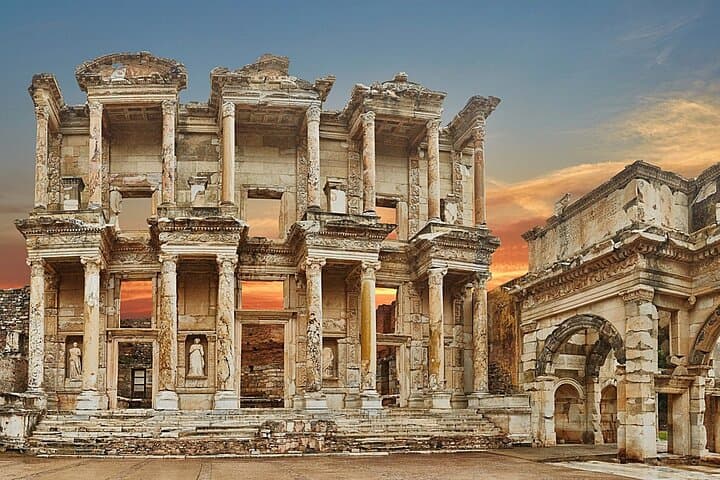
You step out of the airport into Istanbul’s layered humidity and, between the call to prayer and the rumble of tram bells, the country opens like a map. Over the next eleven nights you’ll trade the Bosphorus’s glittering edge for the basalt moonscape of Cappadocia, walk cobbled Ottoman alleys in Mardin, stand under the stone columns of Ephesus and cool your feet in Pamukkale’s white travertine pools.
Verified experiences and guided adventures in the surrounding area.
Operated by Adam's Holiday · Istanbul, Istanbul
You step out of the airport into Istanbul’s layered humidity and, between the call to prayer and the rumble of tram bells, the country opens like a map. Over the next eleven nights you’ll trade the Bosphorus’s glittering edge for the basalt moonscape of Cappadocia, walk cobbled Ottoman alleys in Mardin, stand under the stone columns of Ephesus and cool your feet in Pamukkale’s white travertine pools.
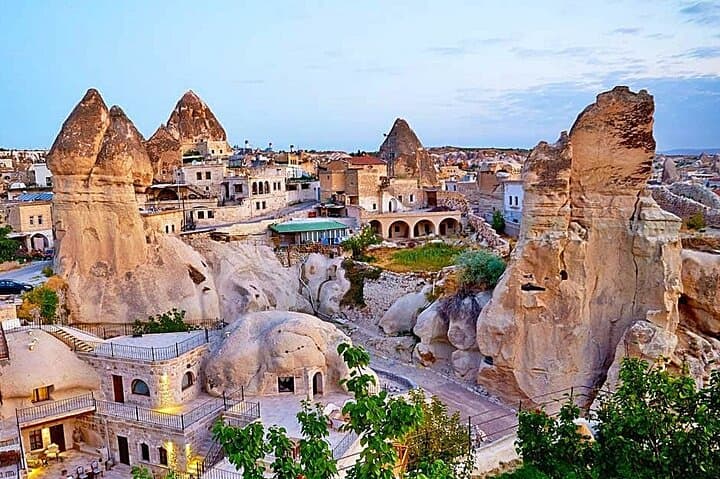
This is not a single-spot escape but a cross-section of Anatolia — an itinerary that threads Byzantine and Ottoman monuments, Hellenistic ruins, and the world’s oldest known temple at Göbekli Tepe near Şanlıurfa. Geology explains much of what you see: volcanic ash sculpted the fairy chimneys of Cappadocia; thermal, mineral-rich waters deposited travertine terraces at Pamukkale. In the southeast, Mesopotamia’s long occupation shows in fortress towns and layered archaeological tells.
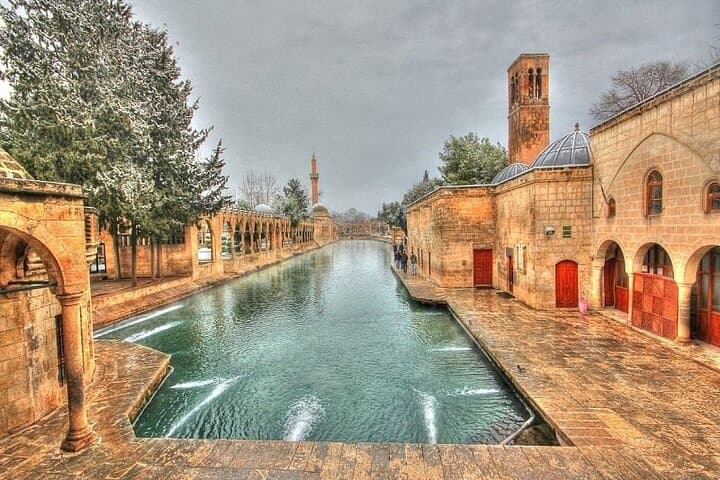
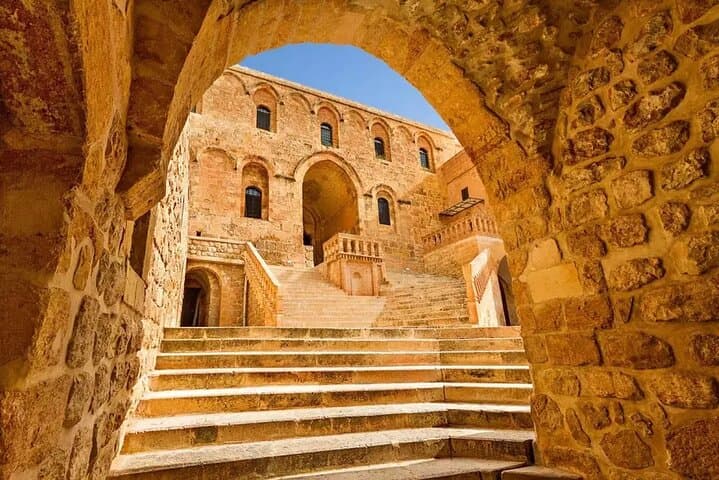
Culturally the trip moves fast. Markets in Gaziantep are culinary missions — pistachios and baklava compete with centuries-old copperware — while Mardin’s limestone facades are carved with the fingerprints of Syriac Christian and Islamic civilizations living side by side. Guides included on the tour interpret inscriptions, point to masonry details and give context to sites that can otherwise feel like postcard fragments.
Practical edge: the tour is paced for travelers who want structure and variety. It runs 12 days (11 nights) with domestic flights included (Istanbul→Mardin, Cappadocia→İzmir, Denizli→Istanbul per itinerary), transport in a Mercedes Sprinter, and a maximum of eight people on shared departures. Expect multiple short museum visits and several half-day walking tours; some sites require uneven stone steps or dirt paths. Bring shoes that grip, a headlamp for cave churches, and a daypack for water and layers.
Timing matters: sunrise in Cappadocia and the late-afternoon light on Ephesus make the difference between a good photo and a great one. Be mindful of summer heat in southeastern Turkey — hydration and sun protection are essential. The tour includes many meals but allow cash for bazaars, tips, and small local purchases.
For travelers who like structure but hate rigidity, this itinerary is a practical sampler of Turkey’s cultural and geological range — ambitious, grounded, and threaded with local stories that make each stop more than a photo op.
moderate.
12 days (11 nights).
Able to manage multiple half-day walks (3–5 miles/5–8 km) on uneven ground and stairs; basic stamina for full travel days.
Yes. The itinerary includes specific domestic flights (for example, Istanbul→Mardin and Cappadocia→İzmir) with 15kg checked and 5kg hand baggage allowances noted in the inclusions.
Expect multiple short walks and site visits—generally 3–5 miles (5–8 km) on many days, with uneven terrain and steps at archaeological sites.
The supplier lists stroller access and infant seats as available, but long travel days and stairs at ruins may be tiring for very young children.
Shared departures are capped at eight travelers; transport is a Mercedes Sprinter VIP A/C vehicle.
Many nationalities require an e-visa for Turkey—check the Turkish e-Visa site well before travel and ensure passport validity meets entry requirements.
The tour includes breakfasts (11), several lunches and dinners as listed in the inclusions—expect some free meals for local exploration and bazaar visits.
This route stitches together sites from the Neolithic (Göbekli Tepe) through Classical antiquity (Ephesus) to Ottoman imperial Istanbul—each region bears layers of continuous human occupation.
Pamukkale’s travertines are fragile; visitors are often required to walk barefoot on designated paths to protect the calcium formations. Archaeological sites benefit from controlled access and local conservation programs.
Adam's Holiday operates guided outdoor trips and adventures with an emphasis on safety, stewardship, and memorable experiences.
You step out of the airport into Istanbul’s layered humidity and, between the call to prayer and the rumble of tram bells, the country opens like a map. Over the next eleven nights you’ll trade the Bosphorus’s glittering edge for the basalt moonscape of Cappadocia, walk cobbled Ottoman alleys in Mardin, stand under the stone columns of Ephesus and cool your feet in Pamukkale’s white travertine pools.
You step out of the airport into Istanbul’s layered humidity and, between the call to prayer and the rumble of tram bells, the country opens like a map. Over the next eleven nights you’ll trade the Bosphorus’s glittering edge for the basalt moonscape of Cappadocia, walk cobbled Ottoman alleys in Mardin, stand under the stone columns of Ephesus and cool your feet in Pamukkale’s white travertine pools.
This is not a single-spot escape but a cross-section of Anatolia — an itinerary that threads Byzantine and Ottoman monuments, Hellenistic ruins, and the world’s oldest known temple at Göbekli Tepe near Şanlıurfa. Geology explains much of what you see: volcanic ash sculpted the fairy chimneys of Cappadocia; thermal, mineral-rich waters deposited travertine terraces at Pamukkale. In the southeast, Mesopotamia’s long occupation shows in fortress towns and layered archaeological tells.
Culturally the trip moves fast. Markets in Gaziantep are culinary missions — pistachios and baklava compete with centuries-old copperware — while Mardin’s limestone facades are carved with the fingerprints of Syriac Christian and Islamic civilizations living side by side. Guides included on the tour interpret inscriptions, point to masonry details and give context to sites that can otherwise feel like postcard fragments.
Practical edge: the tour is paced for travelers who want structure and variety. It runs 12 days (11 nights) with domestic flights included (Istanbul→Mardin, Cappadocia→İzmir, Denizli→Istanbul per itinerary), transport in a Mercedes Sprinter, and a maximum of eight people on shared departures. Expect multiple short museum visits and several half-day walking tours; some sites require uneven stone steps or dirt paths. Bring shoes that grip, a headlamp for cave churches, and a daypack for water and layers.
Timing matters: sunrise in Cappadocia and the late-afternoon light on Ephesus make the difference between a good photo and a great one. Be mindful of summer heat in southeastern Turkey — hydration and sun protection are essential. The tour includes many meals but allow cash for bazaars, tips, and small local purchases.
For travelers who like structure but hate rigidity, this itinerary is a practical sampler of Turkey’s cultural and geological range — ambitious, grounded, and threaded with local stories that make each stop more than a photo op.