THE ADVENTURE COLLECTIVE® · Independent discovery and booking for outdoor travel

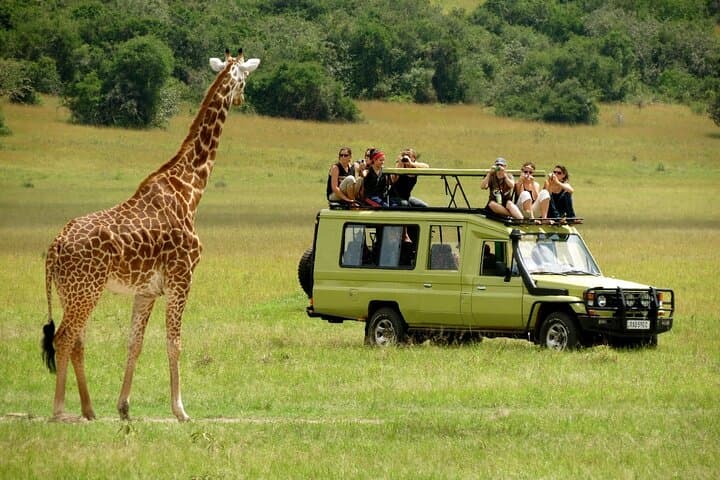
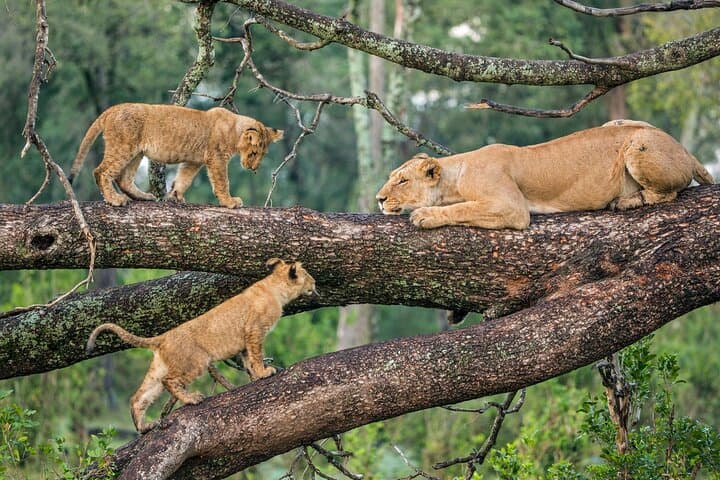
Follow the Great Migration on a 12-day route from Nairobi through Lake Naivasha, the Maasai Mara and into the Serengeti and Ngorongoro. Early drives, pop-up 4x4s and tented camps put you close to lions, elephants and river crossings.
Follow the Great Migration on a 12-day route from Nairobi through Lake Naivasha, the Maasai Mara and into the Serengeti and Ngorongoro. Early drives, pop-up 4x4s and tented camps put you close to lions, elephants and river crossings.
The Land Cruiser bumps onto a red-dust track as dawn slits the horizon; acacia silhouettes sharpen and a lone hartebeest crosses in slow, deliberate steps. For twelve days you move across ecosystems—the high Rift Valley lakes, the broad grasslands of the Maasai Mara, the rolling Serengeti, and the emerald bowl of Ngorongoro—each offering a different rhythm of wildlife and light.
Verified experiences and guided adventures in the surrounding area.
Operated by Safari Africa · Nairobi, Nairobi County
The Land Cruiser bumps onto a red-dust track as dawn slits the horizon; acacia silhouettes sharpen and a lone hartebeest crosses in slow, deliberate steps. For twelve days you move across ecosystems—the high Rift Valley lakes, the broad grasslands of the Maasai Mara, the rolling Serengeti, and the emerald bowl of Ngorongoro—each offering a different rhythm of wildlife and light.
This route follows the northern edge of the Serengeti ecosystem and the Rift Valley’s volcanic history: crater rims and floodplains carved over millennia. Maasai communities still herd cattle here and their oral histories and dances offer context for a landscape shaped by both people and migrating herds. The Great Migration is a seasonal pulse—wildebeest and zebra tracing centuries-old routes driven by rains and grass growth.
Expect early starts, long game drives from pop-up-roof 4x4s, and nights in tented camps or lodges. Drives concentrate at river crossings, hippo pools, and watering holes where predators and prey converge. Practicalities matter: border formalities when crossing into Tanzania, modest luggage limits on transfer days, and park fees that support conservation.
Bring layered clothing for chilly mornings and hot midday sun, binoculars for distant prides, and a camera with a long lens. Hydrate, keep snacks handy, and listen to your guide—they read spoor and terrain the way a captain reads the wind. Respect wildlife distances: a quiet vehicle and patient waiting often reward you with the best sightings. This is a safari that moves with the animals; your job is to be present, prepared, and observant.
moderate.
12 days.
Moderate fitness: long days in vehicles with short walks; be comfortable with uneven ground and multi-hour drives
The migration timing shifts annually; generally June–September is best for Mara river crossings in the Maasai Mara, while other months concentrate herds in different Serengeti sectors.
Many nationalities require a visa for Tanzania; check current entry requirements in advance and carry passport pages for border processing at Isebania.
This itinerary includes airport transfers and many park visits, but verify which park entry fees and optional extras (e.g., night drives) are covered before booking.
Families join frequently, but the tour recommends moderate fitness; long drives and uneven ground may challenge some travelers—consult the operator for wheelchair or special-needs arrangements.
The Maasai have grazed these plains for generations, and colonial-era boundaries later formalized parks; the migration itself predates modern borders, following rainfall and forage patterns.
Conservation here is collaborative: park fees and tour revenue fund anti-poaching and community programs, and visitors should follow strict waste and wildlife-distance rules to minimize impact.
Safari Africa operates guided outdoor trips and adventures with an emphasis on safety, stewardship, and memorable experiences.
The Land Cruiser bumps onto a red-dust track as dawn slits the horizon; acacia silhouettes sharpen and a lone hartebeest crosses in slow, deliberate steps. For twelve days you move across ecosystems—the high Rift Valley lakes, the broad grasslands of the Maasai Mara, the rolling Serengeti, and the emerald bowl of Ngorongoro—each offering a different rhythm of wildlife and light.
The Land Cruiser bumps onto a red-dust track as dawn slits the horizon; acacia silhouettes sharpen and a lone hartebeest crosses in slow, deliberate steps. For twelve days you move across ecosystems—the high Rift Valley lakes, the broad grasslands of the Maasai Mara, the rolling Serengeti, and the emerald bowl of Ngorongoro—each offering a different rhythm of wildlife and light.
This route follows the northern edge of the Serengeti ecosystem and the Rift Valley’s volcanic history: crater rims and floodplains carved over millennia. Maasai communities still herd cattle here and their oral histories and dances offer context for a landscape shaped by both people and migrating herds. The Great Migration is a seasonal pulse—wildebeest and zebra tracing centuries-old routes driven by rains and grass growth.
Expect early starts, long game drives from pop-up-roof 4x4s, and nights in tented camps or lodges. Drives concentrate at river crossings, hippo pools, and watering holes where predators and prey converge. Practicalities matter: border formalities when crossing into Tanzania, modest luggage limits on transfer days, and park fees that support conservation.
Bring layered clothing for chilly mornings and hot midday sun, binoculars for distant prides, and a camera with a long lens. Hydrate, keep snacks handy, and listen to your guide—they read spoor and terrain the way a captain reads the wind. Respect wildlife distances: a quiet vehicle and patient waiting often reward you with the best sightings. This is a safari that moves with the animals; your job is to be present, prepared, and observant.