THE ADVENTURE COLLECTIVE® · Independent discovery and booking for outdoor travel

Move through Sri Lanka’s richest habitats on a 12-day wildlife circuit from Kandy’s hills to Sinharaja’s rainforest and the southern wetlands. Early mornings, patient optics and local guides reveal endemic birds, elephants and coastal whale sightings.
Move through Sri Lanka’s richest habitats on a 12-day wildlife circuit from Kandy’s hills to Sinharaja’s rainforest and the southern wetlands. Early mornings, patient optics and local guides reveal endemic birds, elephants and coastal whale sightings.
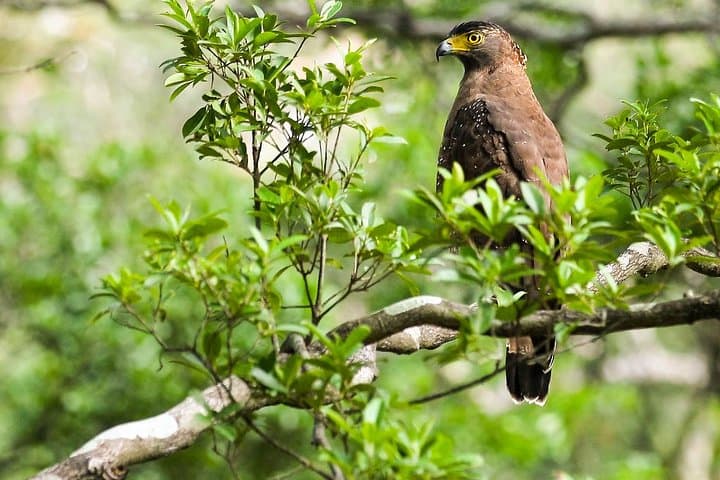
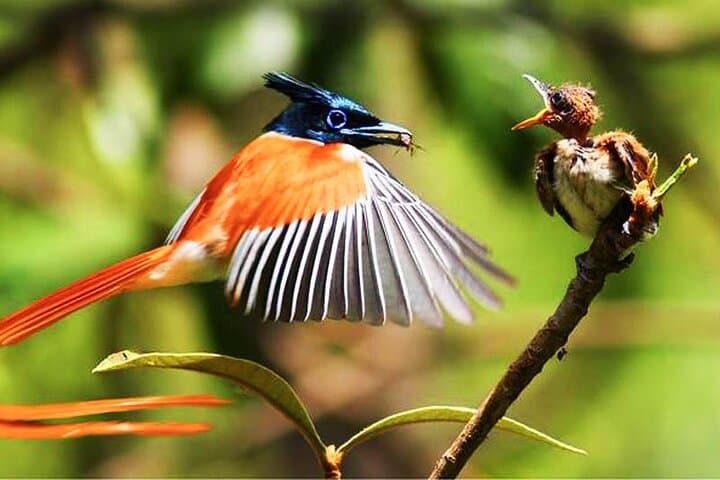
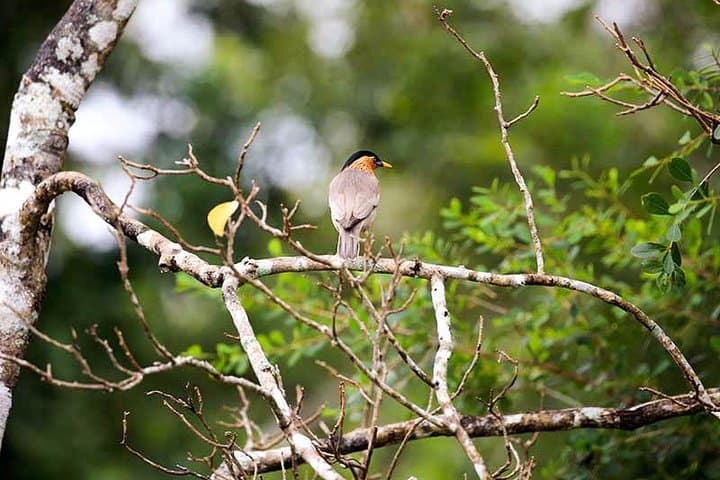
A humid dawn at the edge of Sinharaja presses close as the guide points to a flash of cerulean — a Ceylon blue magpie — and the forest answers with kerfuffles of wings. Over the next twelve days the tour moves like a slow, purposeful current: temple-shadowed Kandy, the tea-scarred highlands of Nuwara Eliya, riverine Kitulgala, the ancient canopy of Sinharaja, then the wide plains and wetlands of Udawalawe, Yala and Bundala, finishing near the southern coast where the ocean dares you to look out for whales.
Verified experiences and guided adventures in the surrounding area.
Operated by Lakpura LLC · Colombo, Western Province
A humid dawn at the edge of Sinharaja presses close as the guide points to a flash of cerulean — a Ceylon blue magpie — and the forest answers with kerfuffles of wings. Over the next twelve days the tour moves like a slow, purposeful current: temple-shadowed Kandy, the tea-scarred highlands of Nuwara Eliya, riverine Kitulgala, the ancient canopy of Sinharaja, then the wide plains and wetlands of Udawalawe, Yala and Bundala, finishing near the southern coast where the ocean dares you to look out for whales.
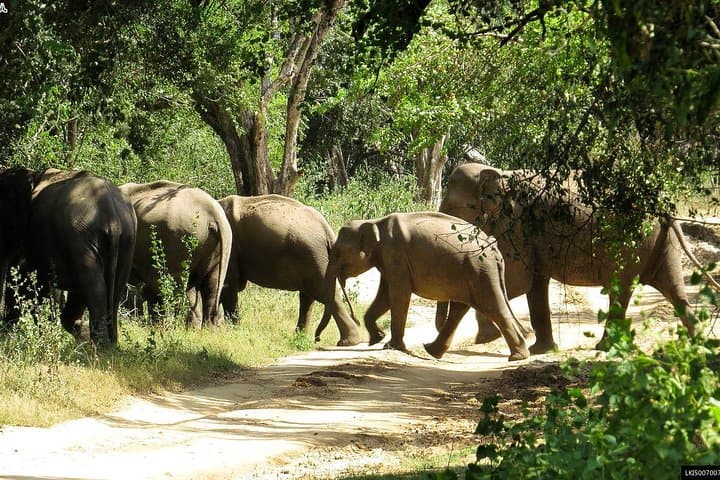
Sri Lanka’s geology—folded central highlands carved from Precambrian rock—creates distinct habitats within short drives. Cultural waypoints such as Kandy’s Temple of the Tooth add human history to the itinerary; colonial-era tea estates in the highlands speak to a 19th-century export economy that reshaped the landscape and livelihoods. Local guides bring field knowledge: endemic birds, langur races, elephants in family groups and the island’s conservation challenges.
Practically, expect early starts, multiple 3–5 hour drives between bases, simple lodges near parks, and short forest walks with variable terrain—slick leaf litter in rain, rocky tracks at altitude. Binoculars, a telephoto lens and layered clothing matter more than summit-level fitness, while hydration and insect protection are essential. Respect park rules: keep distance from wildlife, follow guide signals, and avoid single-person forays into dense forest. With patient optics and quiet movement, the island’s wildlife rewards slow attention: herds crossing plains, a shy loris pausing in moonlight, or a distant spout on a cobalt sea day — each moment earned by timing and care.
moderate.
12 days.
Suitable for travelers in basic to good fitness who can handle early starts, several multi-hour drives and short forest walks.
No technical skills are required; the itinerary is suitable for most fitness levels, but participants should be comfortable with early mornings and several long drives.
Southern whale and coastal bird sightings are generally best in the drier months (December to March) though sightings can occur outside this window; weather affects visibility and boat availability.
The tour description lists private vehicle transport and taxes included; check the operator’s confirmation for park entry fees and optional boat charges which may be extra.
Bring insect repellent, prescribed anti-malarial medication if recommended by your doctor, sun protection, and ensure routine vaccinations are up to date; follow guide advice for wildlife distances.
Kandy was the last independent kingdom before British rule; its Temple of the Tooth remains a living cultural center tied to Buddhist tradition.
Sri Lanka protects many endemic species but faces habitat fragmentation and human-wildlife conflict; responsible tours support local guides and park management.
Lakpura LLC operates guided outdoor trips and adventures with an emphasis on safety, stewardship, and memorable experiences.
A humid dawn at the edge of Sinharaja presses close as the guide points to a flash of cerulean — a Ceylon blue magpie — and the forest answers with kerfuffles of wings. Over the next twelve days the tour moves like a slow, purposeful current: temple-shadowed Kandy, the tea-scarred highlands of Nuwara Eliya, riverine Kitulgala, the ancient canopy of Sinharaja, then the wide plains and wetlands of Udawalawe, Yala and Bundala, finishing near the southern coast where the ocean dares you to look out for whales.
A humid dawn at the edge of Sinharaja presses close as the guide points to a flash of cerulean — a Ceylon blue magpie — and the forest answers with kerfuffles of wings. Over the next twelve days the tour moves like a slow, purposeful current: temple-shadowed Kandy, the tea-scarred highlands of Nuwara Eliya, riverine Kitulgala, the ancient canopy of Sinharaja, then the wide plains and wetlands of Udawalawe, Yala and Bundala, finishing near the southern coast where the ocean dares you to look out for whales.
Sri Lanka’s geology—folded central highlands carved from Precambrian rock—creates distinct habitats within short drives. Cultural waypoints such as Kandy’s Temple of the Tooth add human history to the itinerary; colonial-era tea estates in the highlands speak to a 19th-century export economy that reshaped the landscape and livelihoods. Local guides bring field knowledge: endemic birds, langur races, elephants in family groups and the island’s conservation challenges.
Practically, expect early starts, multiple 3–5 hour drives between bases, simple lodges near parks, and short forest walks with variable terrain—slick leaf litter in rain, rocky tracks at altitude. Binoculars, a telephoto lens and layered clothing matter more than summit-level fitness, while hydration and insect protection are essential. Respect park rules: keep distance from wildlife, follow guide signals, and avoid single-person forays into dense forest. With patient optics and quiet movement, the island’s wildlife rewards slow attention: herds crossing plains, a shy loris pausing in moonlight, or a distant spout on a cobalt sea day — each moment earned by timing and care.