THE ADVENTURE COLLECTIVE® · Independent discovery and booking for outdoor travel

From the 5th‑century rock fortress at Sigiriya to blue‑whale safaris out of Mirissa, this private 12‑day loop covers Sri Lanka’s highland teas, ancient capitals and coastal wildlife. Expect varied terrain, early starts and cultural highlights at every turn.
From the 5th‑century rock fortress at Sigiriya to blue‑whale safaris out of Mirissa, this private 12‑day loop covers Sri Lanka’s highland teas, ancient capitals and coastal wildlife. Expect varied terrain, early starts and cultural highlights at every turn.
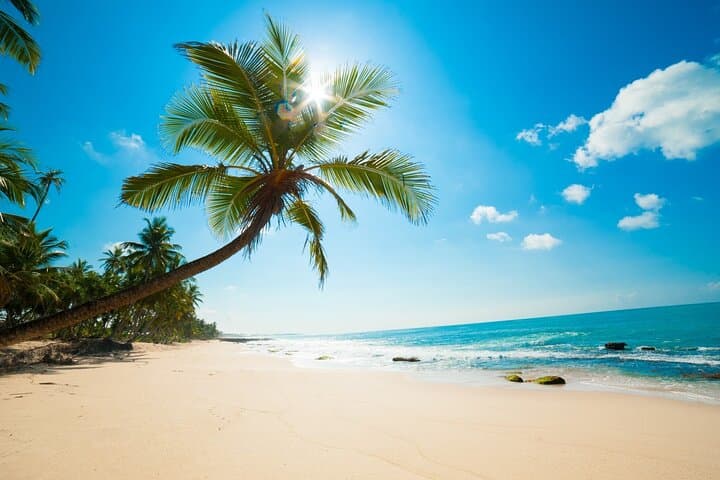
The morning light breaks over a battered colonial bungalow in Colombo and the driver is already loading suitcases into an air-conditioned van. Over the next twelve days the road becomes the itinerary: a ribbon that threads through lowland rice paddies, past 600-foot volcanic shoulders like Sigiriya, up the damp hairpin switchbacks into tea-swept plateaus, and finally down to the brine‑bright beaches of Mirissa where fishing boats bob like dark punctuation marks.
Verified experiences and guided adventures in the surrounding area.
Operated by Unique Lanka Tours · Colombo, Western Province
The morning light breaks over a battered colonial bungalow in Colombo and the driver is already loading suitcases into an air-conditioned van. Over the next twelve days the road becomes the itinerary: a ribbon that threads through lowland rice paddies, past 600-foot volcanic shoulders like Sigiriya, up the damp hairpin switchbacks into tea-swept plateaus, and finally down to the brine‑bright beaches of Mirissa where fishing boats bob like dark punctuation marks.
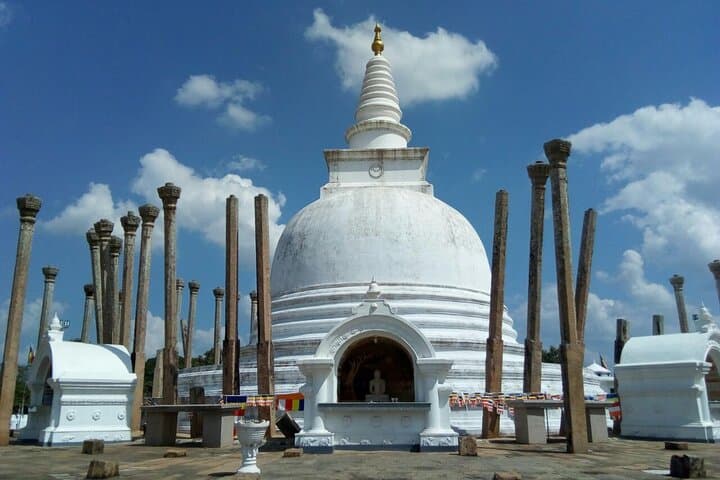
This private circuit stitches together Sri Lanka’s highlight reel but it does so intelligently — Sigiriya’s rock fortress rises from a flat plain the way a story spine rises from scattered details. Built in the fifth century and crowned by the ruins of a palace, the site offers layered history: royal ambition, irrigation engineering and frescoed galleries. Polonnaruwa follows, an inland kingdom defined by stone reservoirs and Buddha figures carved with deliberate calm. The central highlands are geological theater: Ramboda Pass climbs to roughly 6,128 feet (1,868 m), where waterfalls like Ramboda (329 ft) and cascades near Ella cut into red‑brown rock and tea terraces press outward like a cultivated sea.
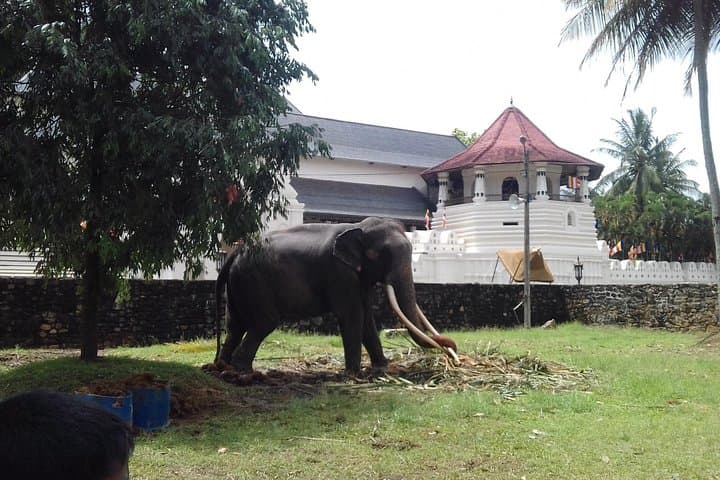
Culture is constant company — temple bells in Kandy where the Temple of the Tooth holds a relic revered across the island; spice gardens where cinnamon and cardamom still scent the air; and Galle’s fort, a weathered European grid of ramparts and shuttered facades that maps centuries of trade. Wildlife appears in cinematic bursts: Minneriya’s open plains host convergences of elephants, and off Mirissa the ocean can produce blue whales and dolphins on early morning safaris that depart around 6 a.m. Smaller but meaningful conservation stories thread through the trip: turtle hatcheries on the south coast and mangrove boat rides on the Madu River that show how ecosystems buffer island life.
Practical edge: plan for varied conditions. You’ll spend long days in a private vehicle with short active walks — a climb of Sigiriya’s 1,600 steps and gentle garden strolls in Peradeniya — so pack light layers, sturdy walking shoes and sun protection. Train travel from Nanu Oya to Ella is one of the trip’s quiet highlights; book a window seat and bring a camera, but keep expectations realistic for whale sightings — patience and calm seas help. Because the tour operates year‑round, check local monsoon timing for the south coast and allow flexible footwear for muddy paths in the hill country.
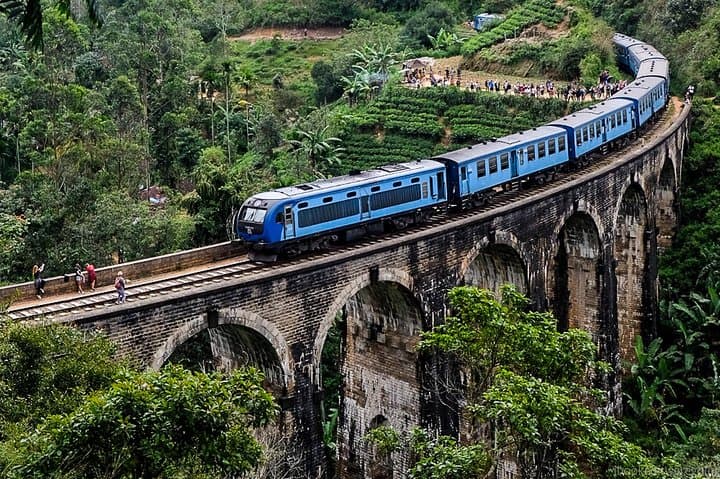
Whether you’re photographing the nine‑arch viaduct framed by tea‑green slopes, watching a herd of elephants shoulder through scrub, or bargaining for cinnamon in a mangrove village, the route offers a steady rhythm: drive, discover, and then let the place make itself known on its own time.
easy.
12 days.
Suitable for travelers in average fitness—long vehicle transfers with short hikes (Sigiriya steps, botanical gardens, light walks).
Yes—it's a private tour with single‑vehicle transport; solo travelers can join but prices may vary depending on booking policies.
Some attractions may require additional admission fees; confirm specific inclusions with the operator when booking.
Whale sightings depend on season and sea conditions—December to April is peak for larger cetaceans, but sightings cannot be guaranteed.
Most nationalities require an ETA (Electronic Travel Authorization) before arrival—apply online at the official immigration site prior to travel.
Tipping is appreciated for drivers, guides and boat crews; small, situational tips in local currency are typical.
This itinerary lists hostel accommodations and includes breakfast; upgrade options may be available on request.
Sigiriya and Polonnaruwa are UNESCO sites that reflect Sri Lanka’s ancient hydraulic engineering and medieval kingdoms, where stone reservoirs and palace ruins map centuries of irrigation‑based power.
The tour visits turtle hatcheries and mangrove systems that are active in local conservation; avoid single‑use plastics and follow guides’ instructions to minimize disturbance to wildlife.
Unique Lanka Tours operates guided outdoor trips and adventures with an emphasis on safety, stewardship, and memorable experiences.
The morning light breaks over a battered colonial bungalow in Colombo and the driver is already loading suitcases into an air-conditioned van. Over the next twelve days the road becomes the itinerary: a ribbon that threads through lowland rice paddies, past 600-foot volcanic shoulders like Sigiriya, up the damp hairpin switchbacks into tea-swept plateaus, and finally down to the brine‑bright beaches of Mirissa where fishing boats bob like dark punctuation marks.
The morning light breaks over a battered colonial bungalow in Colombo and the driver is already loading suitcases into an air-conditioned van. Over the next twelve days the road becomes the itinerary: a ribbon that threads through lowland rice paddies, past 600-foot volcanic shoulders like Sigiriya, up the damp hairpin switchbacks into tea-swept plateaus, and finally down to the brine‑bright beaches of Mirissa where fishing boats bob like dark punctuation marks.
This private circuit stitches together Sri Lanka’s highlight reel but it does so intelligently — Sigiriya’s rock fortress rises from a flat plain the way a story spine rises from scattered details. Built in the fifth century and crowned by the ruins of a palace, the site offers layered history: royal ambition, irrigation engineering and frescoed galleries. Polonnaruwa follows, an inland kingdom defined by stone reservoirs and Buddha figures carved with deliberate calm. The central highlands are geological theater: Ramboda Pass climbs to roughly 6,128 feet (1,868 m), where waterfalls like Ramboda (329 ft) and cascades near Ella cut into red‑brown rock and tea terraces press outward like a cultivated sea.
Culture is constant company — temple bells in Kandy where the Temple of the Tooth holds a relic revered across the island; spice gardens where cinnamon and cardamom still scent the air; and Galle’s fort, a weathered European grid of ramparts and shuttered facades that maps centuries of trade. Wildlife appears in cinematic bursts: Minneriya’s open plains host convergences of elephants, and off Mirissa the ocean can produce blue whales and dolphins on early morning safaris that depart around 6 a.m. Smaller but meaningful conservation stories thread through the trip: turtle hatcheries on the south coast and mangrove boat rides on the Madu River that show how ecosystems buffer island life.
Practical edge: plan for varied conditions. You’ll spend long days in a private vehicle with short active walks — a climb of Sigiriya’s 1,600 steps and gentle garden strolls in Peradeniya — so pack light layers, sturdy walking shoes and sun protection. Train travel from Nanu Oya to Ella is one of the trip’s quiet highlights; book a window seat and bring a camera, but keep expectations realistic for whale sightings — patience and calm seas help. Because the tour operates year‑round, check local monsoon timing for the south coast and allow flexible footwear for muddy paths in the hill country.
Whether you’re photographing the nine‑arch viaduct framed by tea‑green slopes, watching a herd of elephants shoulder through scrub, or bargaining for cinnamon in a mangrove village, the route offers a steady rhythm: drive, discover, and then let the place make itself known on its own time.