THE ADVENTURE COLLECTIVE® · Independent discovery and booking for outdoor travel

A private 12‑day loop through Sri Lanka that pairs UNESCO ancient cities with hill‑country train rides, village experiences, and two classic safaris. Expect temple climbs, tea plantations, whale watching and practical travel tips for moving smartly across the island.
A private 12‑day loop through Sri Lanka that pairs UNESCO ancient cities with hill‑country train rides, village experiences, and two classic safaris. Expect temple climbs, tea plantations, whale watching and practical travel tips for moving smartly across the island.
You step out of Katunayake's humid air and the island greets you in layers: salt from the coast, the wood-smoke of a roadside stall, the distant hush of monsoon-dimpled hills. Over the next 12 days you’ll move through a country that insists on movement—by private air‑conditioned vehicle, by scenic hill‑country train and by short jungle drives—each transition revealing a different Sri Lanka, sharp and immediate.
Verified experiences and guided adventures in the surrounding area.
Operated by Bhathiya Tours · Colombo, Western Province
You step out of Katunayake's humid air and the island greets you in layers: salt from the coast, the wood-smoke of a roadside stall, the distant hush of monsoon-dimpled hills. Over the next 12 days you’ll move through a country that insists on movement—by private air‑conditioned vehicle, by scenic hill‑country train and by short jungle drives—each transition revealing a different Sri Lanka, sharp and immediate.
Start with Anuradhapura’s vast stupas; the brick of the ancient capitals still warms underfoot, and the Malwathu Oya dares you to slow down and listen. In Sigiriya you climb the iron steps to a plateau once crowned by a 5th‑century palace, watching paddy fields spread like patchwork below. The hill country around Nuwara Eliya and Ella is geology and labor: volcanic soils folded into rounded tea terraces, dotted with pickers and colonial bungalows. Adam’s Peak rises beyond them—2,243 meters of pilgrimage and morning fog.
This itinerary threads together UNESCO ruins, tea factories, village life, and two of Sri Lanka’s premier wildlife zones—Yala and Udawalawe—where leopards, elephants and marsh birds punctuate safari afternoons. The south coast delivers the ocean’s own drama: Mirissa’s whale excursions and Unawatuna’s curved sand invite slow afternoons after fast days.
Culturally, expect layered histories. Polonnaruwa and Anuradhapura chart Sinhala kingship and Buddhist devotion; Galle’s fort records Portuguese, Dutch and British trade ambitions layered in stone. Local life is tactile—market spices, batik cloths, and rice fields irrigated by ancient tanks. Practically speaking, this is an accessible trip: daily drives range from 1–5 hours, with a few moderate walks and a handful of hikes (Little Adam’s Peak, Sigiriya ascent). Elevation tops at about 2,243 m at Adam’s Peak; most hill‑country towns sit near 1,000–1,900 m.
Plan for heat and sudden rain: lightweight breathable layers, a good rain shell, and insect protection. Carry cash for small purchases; ATMs are frequent but sometimes distant in rural stretches. Book the hill‑country train in advance if you want window seats; for wildlife drives, mornings and late afternoons are best for sightings and softer light.
On a private tour like this you’ll benefit from a knowledgeable chauffeur‑guide who handles logistics and context—use that time to ask about local festivals, spice remedies and the stories behind temple murals. Respect temple dress codes (shoulders and knees covered) and keep a safe distance from wildlife.
By day twelve you’ll have traded city bustle for salt air, temple bells for bird calls, and come away with a clear sense of a small island shaped by geology, empire and sustained human care.
moderate.
12 days.
Moderate fitness: comfortable with several multi‑hour drives, short hikes (Sigiriya stairs, Little Adam’s Peak) and some uneven terrain.
Most nationalities require a tourist ETA prior to arrival—apply online via the Sri Lanka Electronic Travel Authorization portal before departure.
Tipping is appreciated for guides, drivers and service staff; small tips each day (a few dollars per person) are customary.
Sri Lankan rupee (LKR) is used locally; carry some cash for markets, while credit cards work in hotels and larger shops.
Routine vaccinations should be up to date; check CDC or WHO advice for recommended shots and discuss Yellow Fever requirements if arriving from an endemic country.
November–April on the south coast (Mirissa) offers the most reliable blue whale sightings and calmer seas.
Sigiriya requires a steady 30–60 minute climb on metal steps and stone paths—moderate effort. Little Adam’s Peak is an easy to moderate 45–90 minute walk.
Sri Lanka’s successive capitals—Anuradhapura and Polonnaruwa—reflect 2,000 years of Sinhala Buddhist governance and hydraulic engineering using ancient irrigation tanks.
Wildlife parks like Yala and Udawalawe balance tourism with habitat protection; choose operators who limit group sizes and follow park guidelines to reduce disturbance.
Bhathiya Tours operates guided outdoor trips and adventures with an emphasis on safety, stewardship, and memorable experiences.
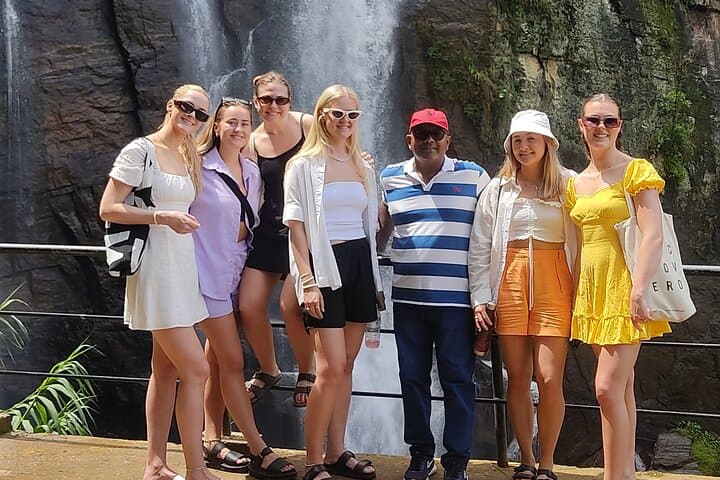
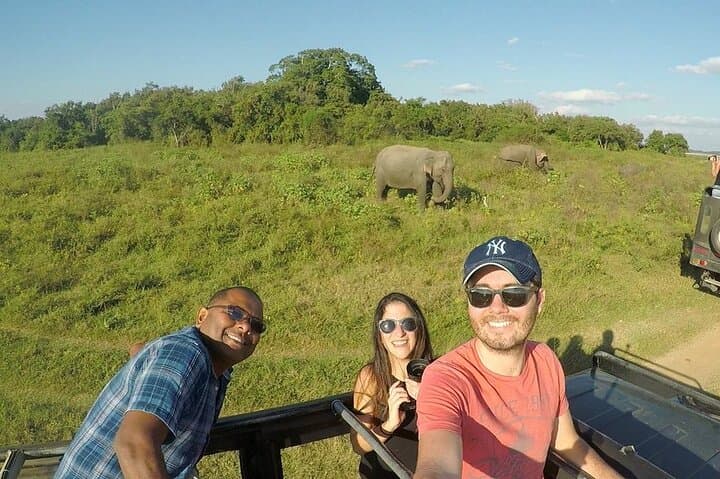
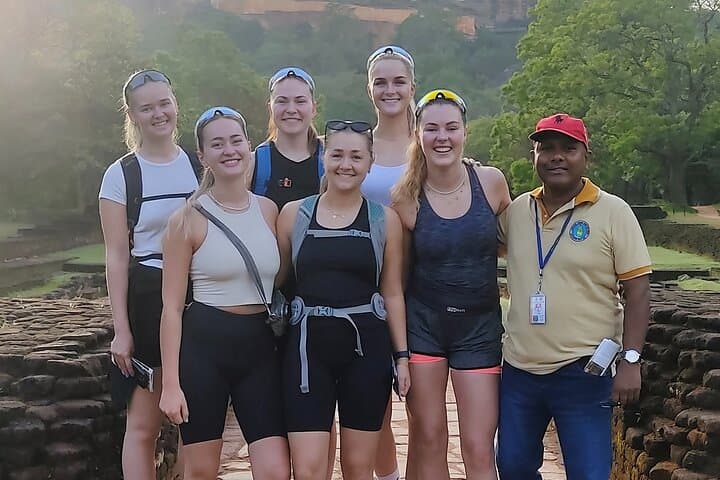
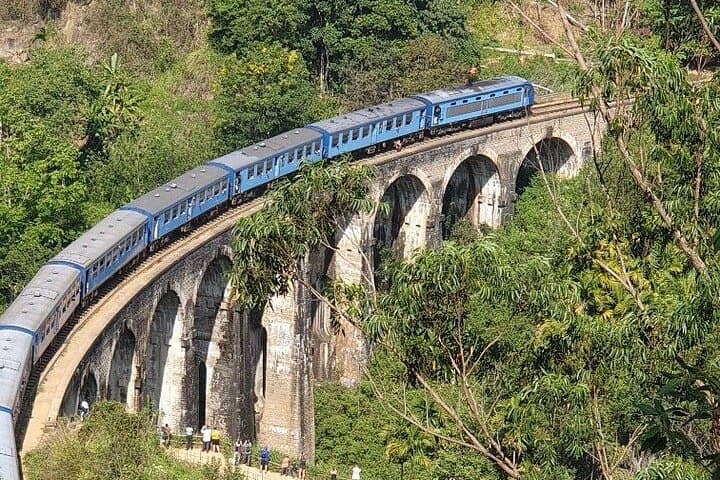
You step out of Katunayake's humid air and the island greets you in layers: salt from the coast, the wood-smoke of a roadside stall, the distant hush of monsoon-dimpled hills. Over the next 12 days you’ll move through a country that insists on movement—by private air‑conditioned vehicle, by scenic hill‑country train and by short jungle drives—each transition revealing a different Sri Lanka, sharp and immediate.
You step out of Katunayake's humid air and the island greets you in layers: salt from the coast, the wood-smoke of a roadside stall, the distant hush of monsoon-dimpled hills. Over the next 12 days you’ll move through a country that insists on movement—by private air‑conditioned vehicle, by scenic hill‑country train and by short jungle drives—each transition revealing a different Sri Lanka, sharp and immediate.
Start with Anuradhapura’s vast stupas; the brick of the ancient capitals still warms underfoot, and the Malwathu Oya dares you to slow down and listen. In Sigiriya you climb the iron steps to a plateau once crowned by a 5th‑century palace, watching paddy fields spread like patchwork below. The hill country around Nuwara Eliya and Ella is geology and labor: volcanic soils folded into rounded tea terraces, dotted with pickers and colonial bungalows. Adam’s Peak rises beyond them—2,243 meters of pilgrimage and morning fog.
This itinerary threads together UNESCO ruins, tea factories, village life, and two of Sri Lanka’s premier wildlife zones—Yala and Udawalawe—where leopards, elephants and marsh birds punctuate safari afternoons. The south coast delivers the ocean’s own drama: Mirissa’s whale excursions and Unawatuna’s curved sand invite slow afternoons after fast days.
Culturally, expect layered histories. Polonnaruwa and Anuradhapura chart Sinhala kingship and Buddhist devotion; Galle’s fort records Portuguese, Dutch and British trade ambitions layered in stone. Local life is tactile—market spices, batik cloths, and rice fields irrigated by ancient tanks. Practically speaking, this is an accessible trip: daily drives range from 1–5 hours, with a few moderate walks and a handful of hikes (Little Adam’s Peak, Sigiriya ascent). Elevation tops at about 2,243 m at Adam’s Peak; most hill‑country towns sit near 1,000–1,900 m.
Plan for heat and sudden rain: lightweight breathable layers, a good rain shell, and insect protection. Carry cash for small purchases; ATMs are frequent but sometimes distant in rural stretches. Book the hill‑country train in advance if you want window seats; for wildlife drives, mornings and late afternoons are best for sightings and softer light.
On a private tour like this you’ll benefit from a knowledgeable chauffeur‑guide who handles logistics and context—use that time to ask about local festivals, spice remedies and the stories behind temple murals. Respect temple dress codes (shoulders and knees covered) and keep a safe distance from wildlife.
By day twelve you’ll have traded city bustle for salt air, temple bells for bird calls, and come away with a clear sense of a small island shaped by geology, empire and sustained human care.