THE ADVENTURE COLLECTIVE® · Independent discovery and booking for outdoor travel

Ride local trains, visit UNESCO caves and sit in centuries-old shrines on a 12-day guided journey across Maharashtra. This tour blends city rituals, homestays and monolithic rock art for a practical, immersive introduction to India’s living religions.
Ride local trains, visit UNESCO caves and sit in centuries-old shrines on a 12-day guided journey across Maharashtra. This tour blends city rituals, homestays and monolithic rock art for a practical, immersive introduction to India’s living religions.
You step off the train into Mumbai’s humid air, the Arabian Sea tugging at your thoughts as vendors call and temple bells slice the morning. Over the next twelve days you’ll move from crowded seaside shrines to the basalt canyons of Aurangabad, riding local trains, walking river ghats at dusk and passing through homestays where rituals are part of daily life.
Verified experiences and guided adventures in the surrounding area.
Operated by Akvin Tourism · Mumbai, Maharashtra
You step off the train into Mumbai’s humid air, the Arabian Sea tugging at your thoughts as vendors call and temple bells slice the morning. Over the next twelve days you’ll move from crowded seaside shrines to the basalt canyons of Aurangabad, riding local trains, walking river ghats at dusk and passing through homestays where rituals are part of daily life.
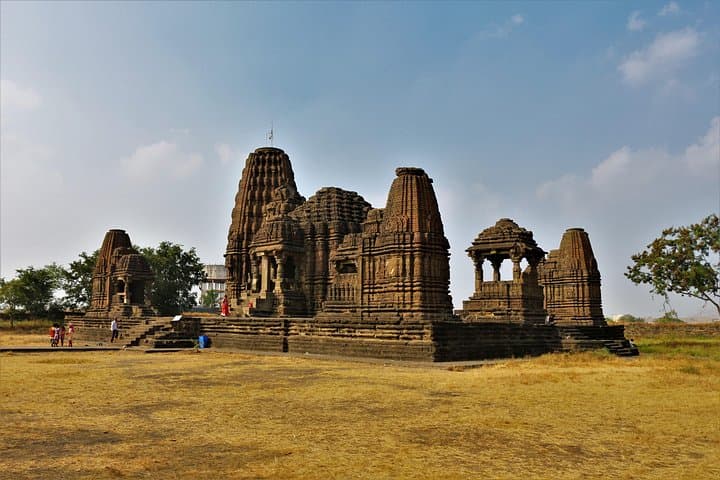
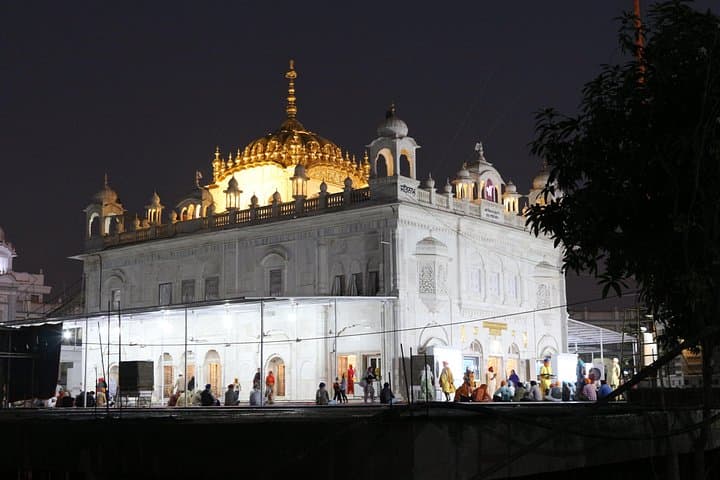
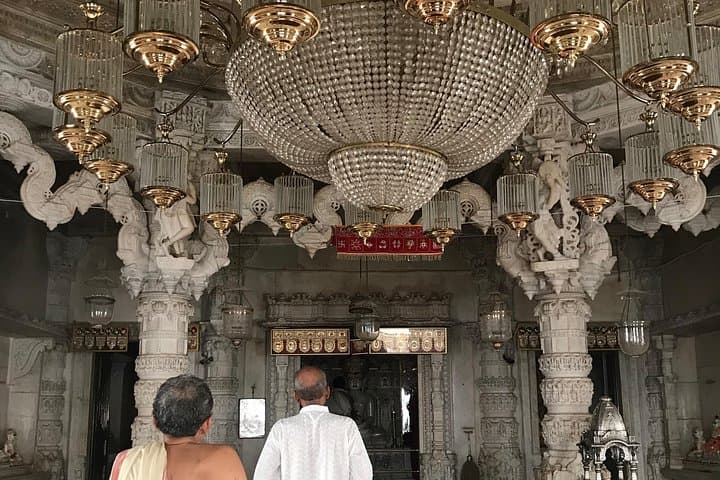
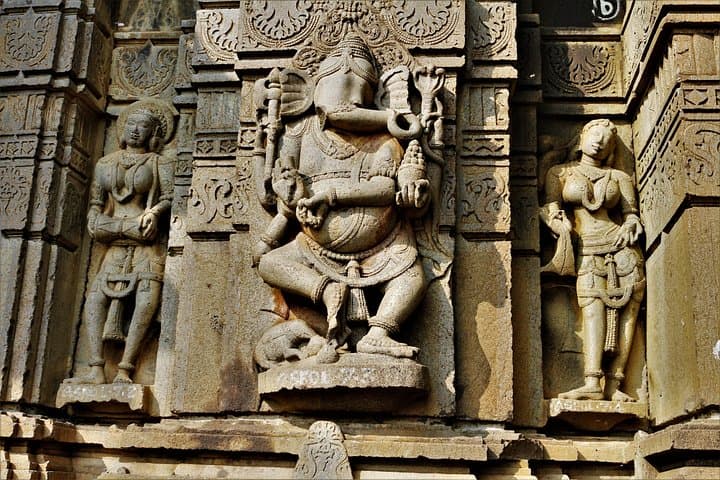
Maharashtra’s religious terrain is layered: Ajanta’s painted Buddhist caves and Ellora’s carved rock faces rise from the Deccan Traps—hard, dark basalt shaped by ancient lava flows. Cities like Nashik and Nanded act as living museums of Hindu, Jain, Buddhist, Sikh and Sufi practice; Khuldabad and Daulatabad recall medieval politics and figures such as Malik Ambar who shaped the region’s plural history.
Expect tangible contrasts—crowded urban markets and quiet temple courtyards; monolithic stone carved by hand and intimate community kitchens serving langar. Guides translate not only language but ritual, teaching when to remove shoes, when to photograph and how to move respectfully through sacred spaces.
Practical edge: the itinerary involves frequent short train journeys and moderate walking, often on uneven steps and cobblestones. Start early to avoid heat; carry a refillable water bottle and walk-friendly shoes. Dress modestly—shoulders and knees covered at religious sites. If choosing homestays, bring small gifts and be ready for simple, locally prepared meals. Follow the guide’s advice on photography, stay on marked paths in cave complexes, and allow extra time for train connections—this trip is as much about pace as place.
moderate.
12 days.
Moderate fitness—comfortable walking, climbing temple steps and short hikes around forts; not suitable for those with serious spinal issues.
The tour includes private transportation, train tickets between cities as noted, professional guide services, entrance to monuments and specified meals and accommodations (3-star or homestay as listed).
Guides are available in English and Hindi with instant confirmation; other languages (French, Spanish, Marathi, Chinese) are possible but confirmation depends on guide availability.
The itinerary involves climbing steps, walking on uneven ground and some long days—it's not recommended for travelers with serious spinal problems or limited mobility.
Homestays vary but generally follow local customs—modest dress, removing shoes indoors, and accepting locally prepared meals; small gifts and respectful behavior are appreciated.
Ajanta and Ellora are UNESCO World Heritage sites carved out of Deccan basalt; Aurangabad grew under figures like Malik Ambar and reflects long-standing religious pluralism.
The cave complexes are sensitive—stay on marked paths, avoid flash photography where prohibited and support homestays and local guides to keep tourism benefits local.
Akvin Tourism operates guided outdoor trips and adventures with an emphasis on safety, stewardship, and memorable experiences.
You step off the train into Mumbai’s humid air, the Arabian Sea tugging at your thoughts as vendors call and temple bells slice the morning. Over the next twelve days you’ll move from crowded seaside shrines to the basalt canyons of Aurangabad, riding local trains, walking river ghats at dusk and passing through homestays where rituals are part of daily life.
You step off the train into Mumbai’s humid air, the Arabian Sea tugging at your thoughts as vendors call and temple bells slice the morning. Over the next twelve days you’ll move from crowded seaside shrines to the basalt canyons of Aurangabad, riding local trains, walking river ghats at dusk and passing through homestays where rituals are part of daily life.
Maharashtra’s religious terrain is layered: Ajanta’s painted Buddhist caves and Ellora’s carved rock faces rise from the Deccan Traps—hard, dark basalt shaped by ancient lava flows. Cities like Nashik and Nanded act as living museums of Hindu, Jain, Buddhist, Sikh and Sufi practice; Khuldabad and Daulatabad recall medieval politics and figures such as Malik Ambar who shaped the region’s plural history.
Expect tangible contrasts—crowded urban markets and quiet temple courtyards; monolithic stone carved by hand and intimate community kitchens serving langar. Guides translate not only language but ritual, teaching when to remove shoes, when to photograph and how to move respectfully through sacred spaces.
Practical edge: the itinerary involves frequent short train journeys and moderate walking, often on uneven steps and cobblestones. Start early to avoid heat; carry a refillable water bottle and walk-friendly shoes. Dress modestly—shoulders and knees covered at religious sites. If choosing homestays, bring small gifts and be ready for simple, locally prepared meals. Follow the guide’s advice on photography, stay on marked paths in cave complexes, and allow extra time for train connections—this trip is as much about pace as place.