THE ADVENTURE COLLECTIVE® · Independent discovery and booking for outdoor travel

A 12-day loop from the high escarpments of Simien to the boiling pit of Erta Ale, with stops at Lalibela’s rock-hewn wonders and Tigray’s cliff churches. Expect multi-day trekking, long drives, camps and domestic flights.
A 12-day loop from the high escarpments of Simien to the boiling pit of Erta Ale, with stops at Lalibela’s rock-hewn wonders and Tigray’s cliff churches. Expect multi-day trekking, long drives, camps and domestic flights.
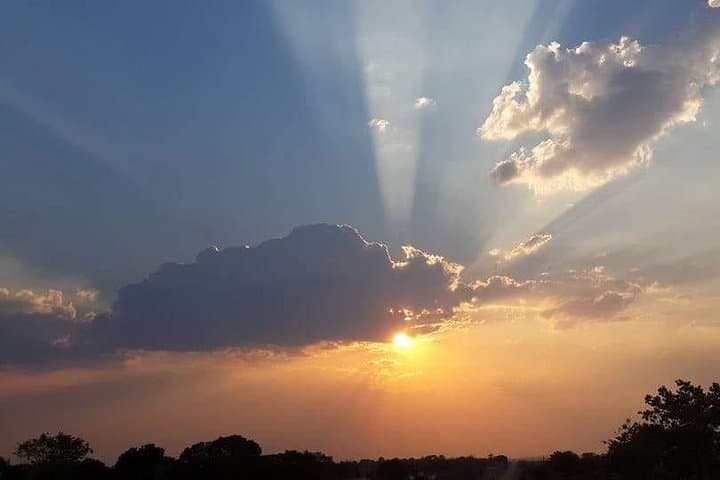
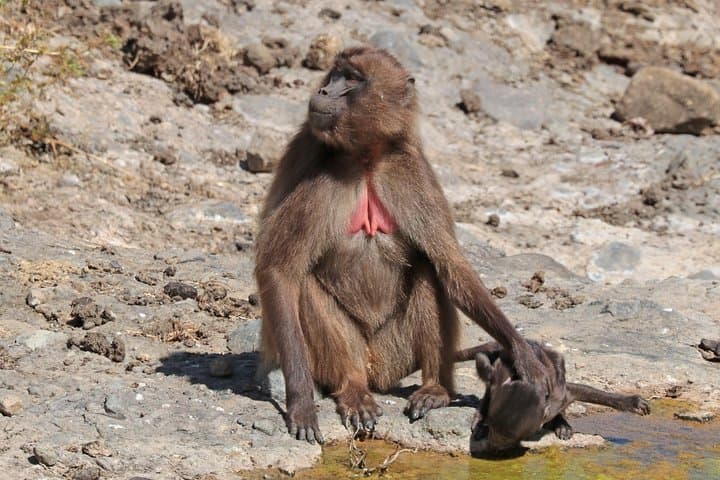
You stand on the Simien escarpment at first light: wind pressing on your face, a band of gelada baboons breaking the barley fields below, and a cliff that drops like an open page. Over the next twelve days the landscape will push and pull — high plateaus that bite into the sky, salt flats baking under a raw sun, and rock-hewn sanctuaries that seem to grow out of the sandstone itself.
Verified experiences and guided adventures in the surrounding area.
Operated by Ethio Travel And Tours · Addis Ababa, Addis Ababa
You stand on the Simien escarpment at first light: wind pressing on your face, a band of gelada baboons breaking the barley fields below, and a cliff that drops like an open page. Over the next twelve days the landscape will push and pull — high plateaus that bite into the sky, salt flats baking under a raw sun, and rock-hewn sanctuaries that seem to grow out of the sandstone itself.
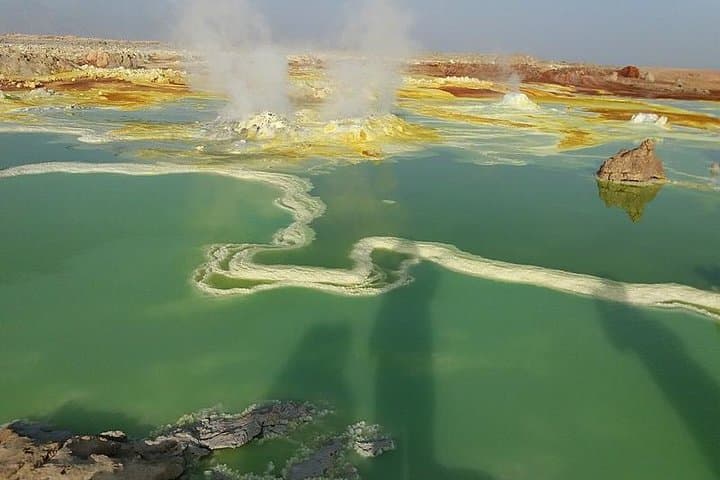
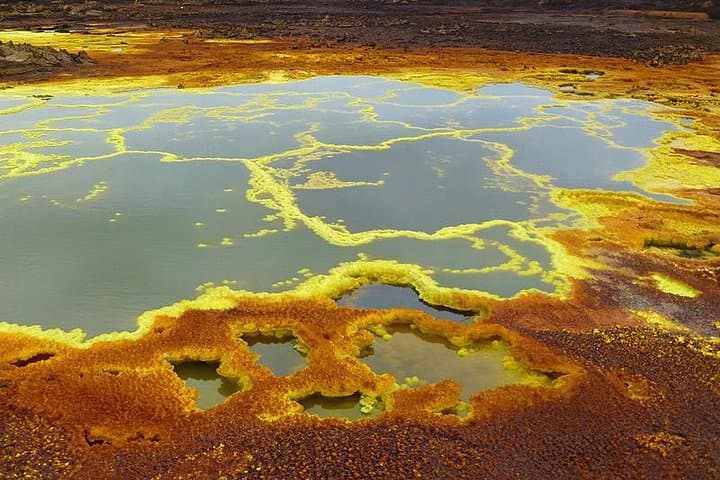
This route stitches together Ethiopia’s geological extremes and its layered history. The Simien Mountains are ancient volcanic highlands, their ridges and abyss formed by millions of years of uplift and erosion; Ras Dashen rises above 4,500 m. Lalibela’s monolithic churches date from the 12th–13th centuries, carved as a medieval pilgrimage center. Danakil exposes the planet’s raw underbelly — active basalt fields, the steaming pits of Erta Ale and the neon salts of Dallol at around 100–130 m below sea level. Tigray’s cliff churches combine local devotion with daring architecture, accessed by narrow ledges and hand-cut footholds.
Practicalities are straightforward but strict: domestic flights connect Gondar, Lalibela, Mekele and Axum; permits and park fees are required for Simien; camping and camel logistics are used in the Danakil. Expect long drives (one 8‑hour stretch), basic camps, and exposed scrambling to reach some churches. Acclimatize in Gondar or Addis Ababa, carry sun protection, and travel with an experienced local guide for volcanic and highland sections. Water purification, layered clothing for cold nights in the highlands, and steady footwear are non-negotiable. The itinerary rewards patience: geological spectacle, close wildlife encounters, and some of Ethiopia’s most intimate cultural sites.
challenging.
12 days.
Good aerobic fitness with prior multi-day trekking experience recommended; ability to handle long drives and some exposed scrambling.
Yes — park entry and trekking permits are arranged at Debark park headquarters; most operators handle permits as part of the tour.
Visiting an active lava lake involves risk; go with experienced local guides, follow their safety briefings, and keep distance from unstable crater edges.
Cool, dry months (October–March) are generally best — Danakil is extremely hot in June–August and some areas may be inaccessible.
Some sites like Abuna Yemata Guh require steep ascents, narrow ledges and short climbing sections; not recommended for those with a fear of heights or limited mobility.
Lalibela’s rock-cut churches were carved in the 12th–13th centuries as a symbolic ‘New Jerusalem’; Axum preserves stelae and relics from the ancient Aksumite kingdom.
Simien National Park faces grazing pressure and trail erosion; travelers should stick to established paths, pack out waste, and use local guides to support sustainable tourism.
Ethio Travel And Tours operates guided outdoor trips and adventures with an emphasis on safety, stewardship, and memorable experiences.
You stand on the Simien escarpment at first light: wind pressing on your face, a band of gelada baboons breaking the barley fields below, and a cliff that drops like an open page. Over the next twelve days the landscape will push and pull — high plateaus that bite into the sky, salt flats baking under a raw sun, and rock-hewn sanctuaries that seem to grow out of the sandstone itself.
You stand on the Simien escarpment at first light: wind pressing on your face, a band of gelada baboons breaking the barley fields below, and a cliff that drops like an open page. Over the next twelve days the landscape will push and pull — high plateaus that bite into the sky, salt flats baking under a raw sun, and rock-hewn sanctuaries that seem to grow out of the sandstone itself.
This route stitches together Ethiopia’s geological extremes and its layered history. The Simien Mountains are ancient volcanic highlands, their ridges and abyss formed by millions of years of uplift and erosion; Ras Dashen rises above 4,500 m. Lalibela’s monolithic churches date from the 12th–13th centuries, carved as a medieval pilgrimage center. Danakil exposes the planet’s raw underbelly — active basalt fields, the steaming pits of Erta Ale and the neon salts of Dallol at around 100–130 m below sea level. Tigray’s cliff churches combine local devotion with daring architecture, accessed by narrow ledges and hand-cut footholds.
Practicalities are straightforward but strict: domestic flights connect Gondar, Lalibela, Mekele and Axum; permits and park fees are required for Simien; camping and camel logistics are used in the Danakil. Expect long drives (one 8‑hour stretch), basic camps, and exposed scrambling to reach some churches. Acclimatize in Gondar or Addis Ababa, carry sun protection, and travel with an experienced local guide for volcanic and highland sections. Water purification, layered clothing for cold nights in the highlands, and steady footwear are non-negotiable. The itinerary rewards patience: geological spectacle, close wildlife encounters, and some of Ethiopia’s most intimate cultural sites.