THE ADVENTURE COLLECTIVE® · Independent discovery and booking for outdoor travel

A 12-day semi-luxury loop through Sri Lanka that pairs temple-clad history, misty tea country, wildlife safaris and sun-drenched beaches. Expect private transfers, curated cultural stops and a pace that balances comfort with authentic local experiences.
A 12-day semi-luxury loop through Sri Lanka that pairs temple-clad history, misty tea country, wildlife safaris and sun-drenched beaches. Expect private transfers, curated cultural stops and a pace that balances comfort with authentic local experiences.
The first climb from the airport into a lacquered coastline town feels cinematic: a warm breeze off the Indian Ocean, fishermen mending nets, and your chauffeur easing traffic into Negombo’s palm-lined roads. Over the next 11 days the island keeps moving—tea-smudged highlands that taste of bergamot, a train that curves through emerald terraces, the carved sides of Sigiriya rising like a monolith from paddy fields, and finally a hundred shades of blue along the south coast.
Verified experiences and guided adventures in the surrounding area.
Operated by BH Lanka Tours · Colombo, Western Province
The first climb from the airport into a lacquered coastline town feels cinematic: a warm breeze off the Indian Ocean, fishermen mending nets, and your chauffeur easing traffic into Negombo’s palm-lined roads. Over the next 11 days the island keeps moving—tea-smudged highlands that taste of bergamot, a train that curves through emerald terraces, the carved sides of Sigiriya rising like a monolith from paddy fields, and finally a hundred shades of blue along the south coast.
This semi-luxury loop stitches Sri Lanka’s major chapters together. Ancient capitals Polonnaruwa and Kandy read like pages from island history—kingdoms, rock temples and tooth relic shrines that show how Buddhism and local kings shaped civic life. Sigiriya’s Lion Rock, built by King Kasyapa in the 5th century, remains a dramatic example of early engineering: a palace perched above gardens, waterworks and frescoed galleries carved into volcanic rock. Centuries of colonial trade reworked the coastline; Galle Fort still carries Dutch stonework and colonial town planning that contrast with the island’s rural rhythms.
Geology here is plain to see: uplifted Precambrian massifs create the central highlands where tea plantations drape steep slopes, while the southern littoral is built from raised coral terraces and river-fed beaches. Culture appears in small gestures—Tuk-Tuk rides, ceremonial dances in Kandy, and a village curry that explains spice combinations through practice, not just taste.
Practical guide: expect a mix of easy sightseeing walks and short uphill sections—Sigiriya and several temple complexes require stair climbs, Nuwara Eliya’s higher elevation brings cooler temperatures. Transportation is included in a private, air-conditioned vehicle with an English-speaking driver; internal train travel between Nanu Oya and Ella is an iconic highlight and should be treated as an experience rather than rapid transit—windows open to clouds and tea estates.
Pack for variety: light, breathable layers for coastal heat and a warm fleece for misty highlands; a good pair of walking shoes for uneven temple steps; rain protection during the monsoon windows. Stay hydrated—the operators include daily bottled water. Respect temples (shoulders and knees covered) and local customs; tipping for guides and drivers is customary but discretionary.
Timing matters: South coast and Colombo are at their best December–March; the central hills are pleasant year-round but cloudier in monsoon months. Optional extras—hot-air ballooning over the Cultural Triangle, a jeep safari in Yala, or whale watching—need advance booking and are weather dependent.
This itinerary balances ease and immersion: it hands you a comfortable base each night while steering you into the island’s living history, wildlife edges, and shoreline quiet—enough luxury to relax, enough variety to keep curiosity sharp.
moderate.
12 days.
Moderate fitness for stairs, short hikes and full-day sightseeing; comfortable mobility for multi-hour car transfers.
Most travelers require an electronic Travel Authorization (ETA) prior to arrival—apply online and check your country’s requirements well before departure.
Yes—there are family-friendly activities, though long drives and some early-morning safaris may challenge very young children; infant seats are available on request.
Breakfast is included daily and two dinners are listed; other meals such as village lunches and special dinners are included per the itinerary details.
Optional activities like the hot-air balloon and Yala jeep safari should be pre-booked to secure availability and are weather-dependent.
Bring some Sri Lankan rupees for local vendors; ATMs are common in cities and large towns but may be scarce in remote areas—plan accordingly.
Routine vaccinations are advised; consult a travel clinic for recommendations like hepatitis A and typhoid. Bring malaria prevention advice if visiting endemic zones and carry basic medications.
Sri Lanka’s Cultural Triangle—Anuradhapura, Polonnaruwa and Sigiriya—documents millennia of Sinhalese kingdoms, hydraulic engineering and Buddhist scholarship.
Many sites balance tourism with conservation: follow park rules in Yala, avoid feeding wildlife, and use local guides to ensure low-impact visits.
BH Lanka Tours operates guided outdoor trips and adventures with an emphasis on safety, stewardship, and memorable experiences.

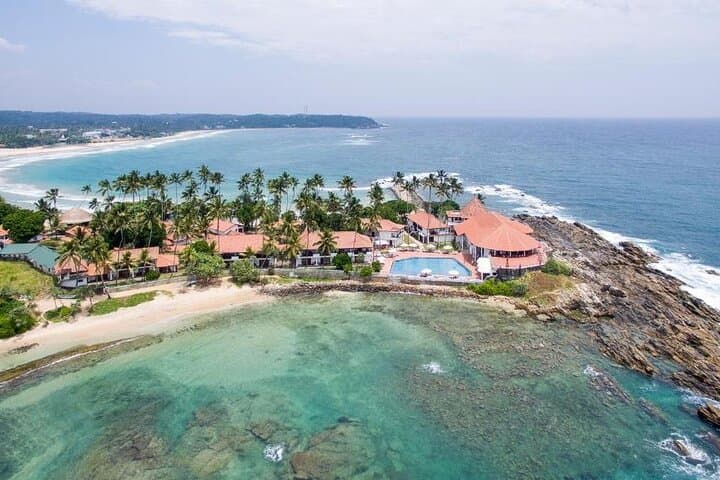
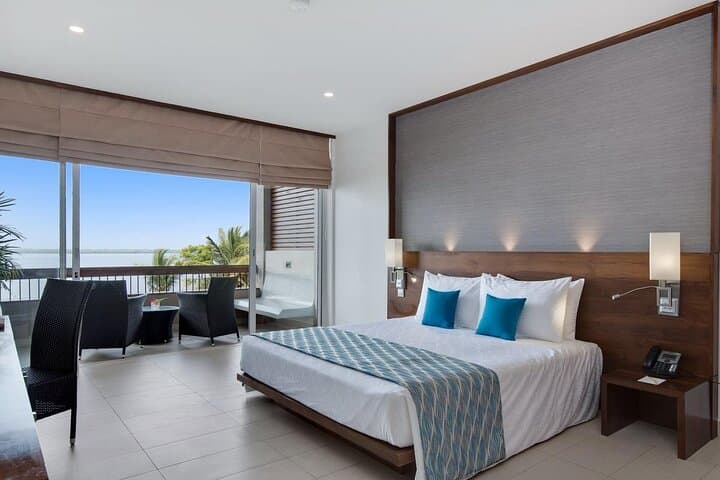
The first climb from the airport into a lacquered coastline town feels cinematic: a warm breeze off the Indian Ocean, fishermen mending nets, and your chauffeur easing traffic into Negombo’s palm-lined roads. Over the next 11 days the island keeps moving—tea-smudged highlands that taste of bergamot, a train that curves through emerald terraces, the carved sides of Sigiriya rising like a monolith from paddy fields, and finally a hundred shades of blue along the south coast.
The first climb from the airport into a lacquered coastline town feels cinematic: a warm breeze off the Indian Ocean, fishermen mending nets, and your chauffeur easing traffic into Negombo’s palm-lined roads. Over the next 11 days the island keeps moving—tea-smudged highlands that taste of bergamot, a train that curves through emerald terraces, the carved sides of Sigiriya rising like a monolith from paddy fields, and finally a hundred shades of blue along the south coast.
This semi-luxury loop stitches Sri Lanka’s major chapters together. Ancient capitals Polonnaruwa and Kandy read like pages from island history—kingdoms, rock temples and tooth relic shrines that show how Buddhism and local kings shaped civic life. Sigiriya’s Lion Rock, built by King Kasyapa in the 5th century, remains a dramatic example of early engineering: a palace perched above gardens, waterworks and frescoed galleries carved into volcanic rock. Centuries of colonial trade reworked the coastline; Galle Fort still carries Dutch stonework and colonial town planning that contrast with the island’s rural rhythms.
Geology here is plain to see: uplifted Precambrian massifs create the central highlands where tea plantations drape steep slopes, while the southern littoral is built from raised coral terraces and river-fed beaches. Culture appears in small gestures—Tuk-Tuk rides, ceremonial dances in Kandy, and a village curry that explains spice combinations through practice, not just taste.
Practical guide: expect a mix of easy sightseeing walks and short uphill sections—Sigiriya and several temple complexes require stair climbs, Nuwara Eliya’s higher elevation brings cooler temperatures. Transportation is included in a private, air-conditioned vehicle with an English-speaking driver; internal train travel between Nanu Oya and Ella is an iconic highlight and should be treated as an experience rather than rapid transit—windows open to clouds and tea estates.
Pack for variety: light, breathable layers for coastal heat and a warm fleece for misty highlands; a good pair of walking shoes for uneven temple steps; rain protection during the monsoon windows. Stay hydrated—the operators include daily bottled water. Respect temples (shoulders and knees covered) and local customs; tipping for guides and drivers is customary but discretionary.
Timing matters: South coast and Colombo are at their best December–March; the central hills are pleasant year-round but cloudier in monsoon months. Optional extras—hot-air ballooning over the Cultural Triangle, a jeep safari in Yala, or whale watching—need advance booking and are weather dependent.
This itinerary balances ease and immersion: it hands you a comfortable base each night while steering you into the island’s living history, wildlife edges, and shoreline quiet—enough luxury to relax, enough variety to keep curiosity sharp.