THE ADVENTURE COLLECTIVE® · Independent discovery and booking for outdoor travel

Drive a beginner-friendly route from Windhoek through Waterberg, Etosha, Damaraland, Swakopmund and Sossusvlei. Expect long but manageable days, dramatic geology, ample wildlife, and local culture along the way.
Drive a beginner-friendly route from Windhoek through Waterberg, Etosha, Damaraland, Swakopmund and Sossusvlei. Expect long but manageable days, dramatic geology, ample wildlife, and local culture along the way.
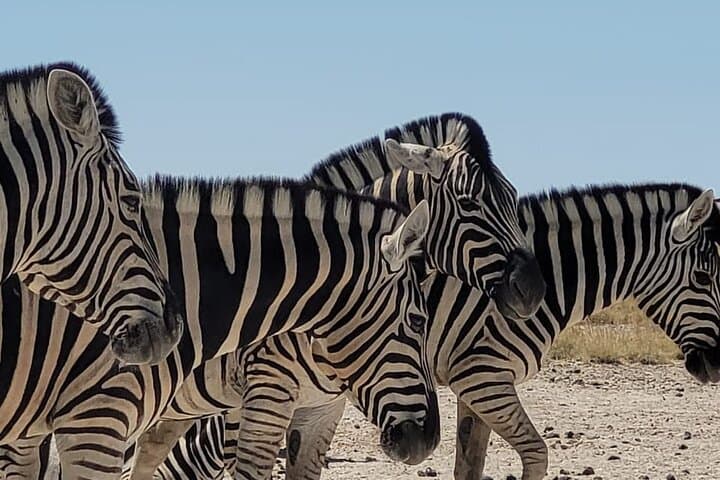
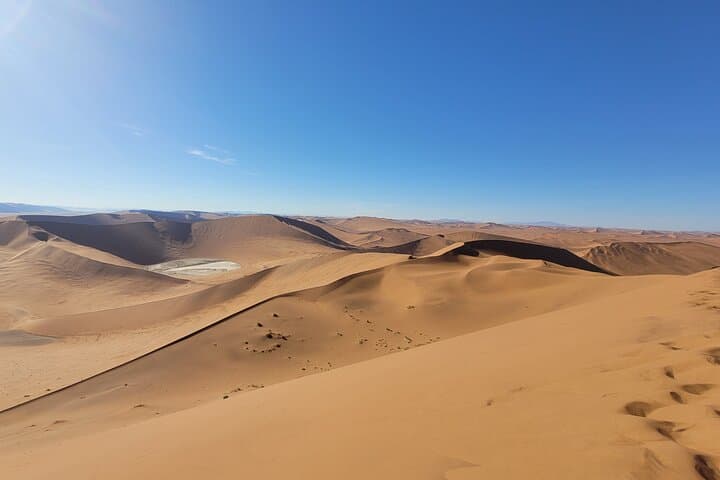
You open the bonnet of the rental 4x4 at dawn in Windhoek and the road stretches out like a promise: scrubby savanna, rust-red dunes, and a horizon that refuses to sit still. The first miles climb toward the Waterberg Plateau, where sandstone cliffs rise above Kalahari plains and breezes push you toward the escarpment’s viewpoints. Later, wide pans in Etosha draw wildlife in to drink; the desert around Sossusvlei scours itself into towering dunes that glow at sunrise.
Verified experiences and guided adventures in the surrounding area.
Operated by Bushbucks Safaris Namibia · Windhoek, Khomas
You open the bonnet of the rental 4x4 at dawn in Windhoek and the road stretches out like a promise: scrubby savanna, rust-red dunes, and a horizon that refuses to sit still. The first miles climb toward the Waterberg Plateau, where sandstone cliffs rise above Kalahari plains and breezes push you toward the escarpment’s viewpoints. Later, wide pans in Etosha draw wildlife in to drink; the desert around Sossusvlei scours itself into towering dunes that glow at sunrise.
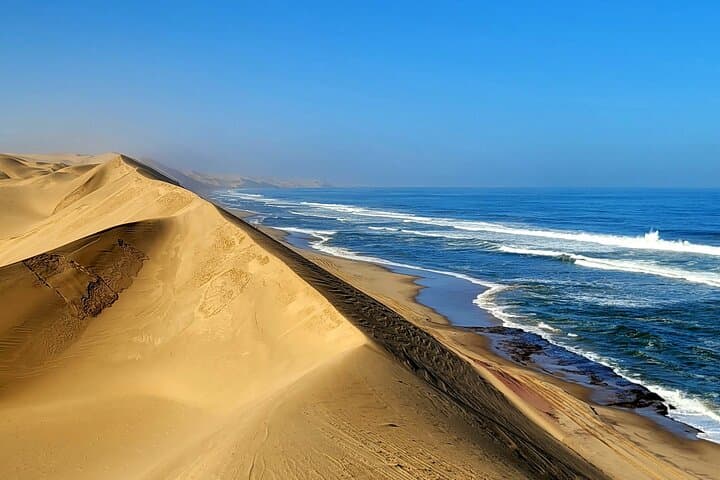
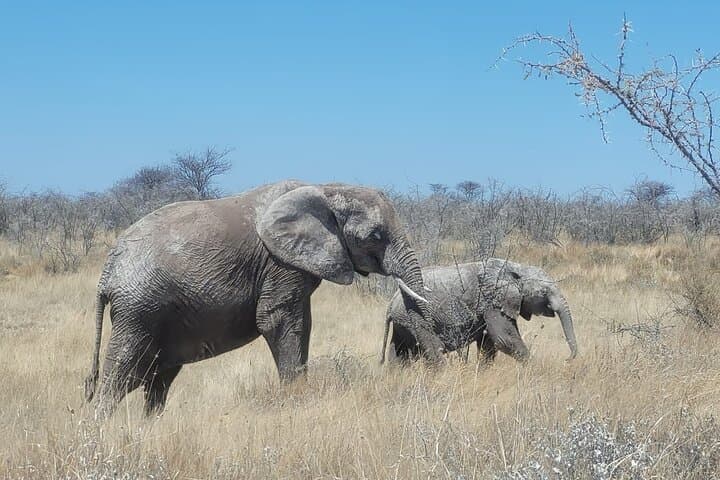
This route threads Namibia’s geological chapters — Precambrian rock, wind-sculpted dunes, and salt pans left by ancient seas — and touches cultural stops shaped by Herero, Nama, and German colonial histories visible in towns like Swakopmund. Twyfelfontein’s petroglyphs whisper of hunter-gatherer lives etched in quartz. Across regions, desert-adapted elephants and resilient communities demonstrate life shaped by scarcity.
Practical guidance: this is a beginner-friendly self-drive but expect long driving days (200–450 km segments). A basic 4x4 with high clearance is included; practice shifting on gravel and carry spare fuel and water. Book park accommodations inside Etosha in advance and arrive at Sossusvlei before sunrise to avoid heat and long lines to the gates. Hydrate, protect skin and eyes from wind-driven sand, and keep wildlife viewing respectful — vehicles, not people, set the pace.
Beyond logistics, let the landscape be an active partner: the dunes will test your legs, the waterholes will demand patience, and the road will reward curiosity.
moderate.
11–12 days.
Suitable for beginners who are comfortable with long drives and light walking; some dune climbs require good leg strength.
A standard international or local driving license is sufficient; confirm with the rental company if an international permit is required for your nationality.
Park entry and some lodgings are not automatically included — confirm which nights and fees are covered when booking to avoid surprises.
Yes — the itinerary is designed for beginners, with orientation in Windhoek and manageable drives, but you should be comfortable with long days and basic off-road techniques.
Dry winter months (May–Oct) concentrate wildlife at waterholes in Etosha, improving sightings; coastal activities are better in cooler months to avoid extreme heat inland.
Twyfelfontein’s petroglyphs record millennia of San presence and are among southern Africa’s most significant rock-art sites.
Park regulations in Etosha and the Namib-Naukluft aim to concentrate impact on roads and camps; travel with local operators who support community conservation and water-saving measures.
Bushbucks Safaris Namibia operates guided outdoor trips and adventures with an emphasis on safety, stewardship, and memorable experiences.
You open the bonnet of the rental 4x4 at dawn in Windhoek and the road stretches out like a promise: scrubby savanna, rust-red dunes, and a horizon that refuses to sit still. The first miles climb toward the Waterberg Plateau, where sandstone cliffs rise above Kalahari plains and breezes push you toward the escarpment’s viewpoints. Later, wide pans in Etosha draw wildlife in to drink; the desert around Sossusvlei scours itself into towering dunes that glow at sunrise.
You open the bonnet of the rental 4x4 at dawn in Windhoek and the road stretches out like a promise: scrubby savanna, rust-red dunes, and a horizon that refuses to sit still. The first miles climb toward the Waterberg Plateau, where sandstone cliffs rise above Kalahari plains and breezes push you toward the escarpment’s viewpoints. Later, wide pans in Etosha draw wildlife in to drink; the desert around Sossusvlei scours itself into towering dunes that glow at sunrise.
This route threads Namibia’s geological chapters — Precambrian rock, wind-sculpted dunes, and salt pans left by ancient seas — and touches cultural stops shaped by Herero, Nama, and German colonial histories visible in towns like Swakopmund. Twyfelfontein’s petroglyphs whisper of hunter-gatherer lives etched in quartz. Across regions, desert-adapted elephants and resilient communities demonstrate life shaped by scarcity.
Practical guidance: this is a beginner-friendly self-drive but expect long driving days (200–450 km segments). A basic 4x4 with high clearance is included; practice shifting on gravel and carry spare fuel and water. Book park accommodations inside Etosha in advance and arrive at Sossusvlei before sunrise to avoid heat and long lines to the gates. Hydrate, protect skin and eyes from wind-driven sand, and keep wildlife viewing respectful — vehicles, not people, set the pace.
Beyond logistics, let the landscape be an active partner: the dunes will test your legs, the waterholes will demand patience, and the road will reward curiosity.