THE ADVENTURE COLLECTIVE® · Independent discovery and booking for outdoor travel

Traverse Mughal tombs, Rajput forts and desert dunes on a 12-day loop from Delhi through Rajasthan. This heritage tour pairs guided city walks with village homestays and a night under canvas at the Sam Sand Dunes.
Traverse Mughal tombs, Rajput forts and desert dunes on a 12-day loop from Delhi through Rajasthan. This heritage tour pairs guided city walks with village homestays and a night under canvas at the Sam Sand Dunes.
The trip opens on a warm Delhi morning: rickshaws and the honk of city life give way to the easy rhythm of train compartments and a private car rolling through burnt-gold plains. Over 12 days travelers move from Mughal monuments in Delhi and Agra to the pink palaces of Jaipur, the lakes of Udaipur, village homestays in Salawas, and nights under canvas in the Jaisalmer dunes.
Verified experiences and guided adventures in the surrounding area.
Operated by Tour4Fun · Jaipur, Rajasthan
The trip opens on a warm Delhi morning: rickshaws and the honk of city life give way to the easy rhythm of train compartments and a private car rolling through burnt-gold plains. Over 12 days travelers move from Mughal monuments in Delhi and Agra to the pink palaces of Jaipur, the lakes of Udaipur, village homestays in Salawas, and nights under canvas in the Jaisalmer dunes.
This route threads Mughal architecture and Rajput fortresses — Humayun’s Tomb, the Taj Mahal at sunrise, Amber and Mehrangarh forts — with rural crafts and living traditions. Geologically the region shifts from alluvial Indo-Gangetic plains into the arid, wind-sculpted sands of the Thar; culturally it’s where courtly patronage met caravan trade, producing ornate havelis, Jain marble temples at Ranakpur, and resurgent village arts among the Bishnoi people.
Expect a mix of hotel comforts (3–5 star), homestays, an optional overnight train, and desert tents. Days balance guided city walking tours with longer drives; some mornings are early to catch light on monuments or to set out for camel safaris. Local guides explain carving techniques, textile dyeing and the seasonal rhythms that shape village life.
Practical guidance: carry a daypack for water and documents, schedule the Taj at sunrise to avoid crowds, and allow an evening buffer when switching between trains and private transfers. Hydration, sun protection and respectful dress for religious sites are essential. The itinerary suits travelers who want deep cultural immersion with modest physical demands and a clear sense of Rajasthan’s landscape and history.
easy.
11–12 days.
Suitable for travelers in average physical condition; requires comfortable mobility for walking tours, short climbs at forts, and patience for long drives.
Yes — the itinerary includes a private air-conditioned vehicle or train segments where specified; specifics depend on the booking option chosen.
Most international visitors require an Indian visa; check current e-visa rules for your nationality and apply well before travel.
Breakfasts are included daily; lunches and dinners are provided as listed. Accommodation ranges from 3–5 star hotels to village homestays and desert tents as per the chosen package.
The tour is rated easy physically and suitable for families and older travelers, but long drives and overnight trains may be tiring — request private transfers or adjusted pacing if needed.
The route traces Mughal and Rajput power centers where imperial patronage created iconic marble mausolea, hilltop forts and fortified market towns central to northern India’s medieval trade networks.
Water scarcity and fragile desert soils make low-impact travel important; support local homestays and avoid single-use plastics to reduce pressure on small communities.
Tour4Fun operates guided outdoor trips and adventures with an emphasis on safety, stewardship, and memorable experiences.
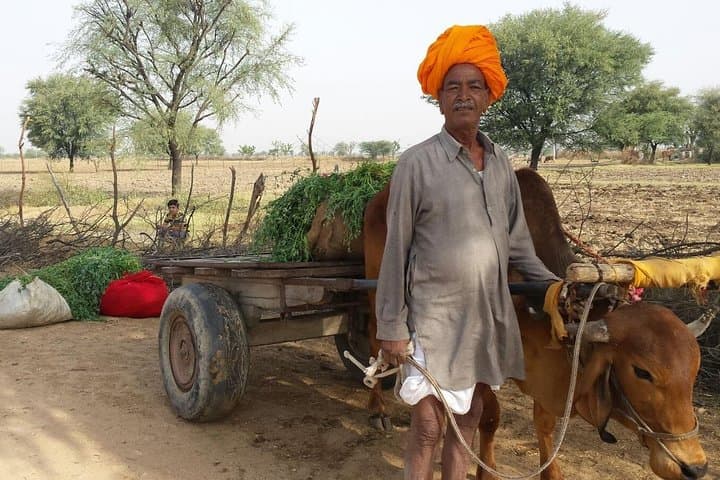
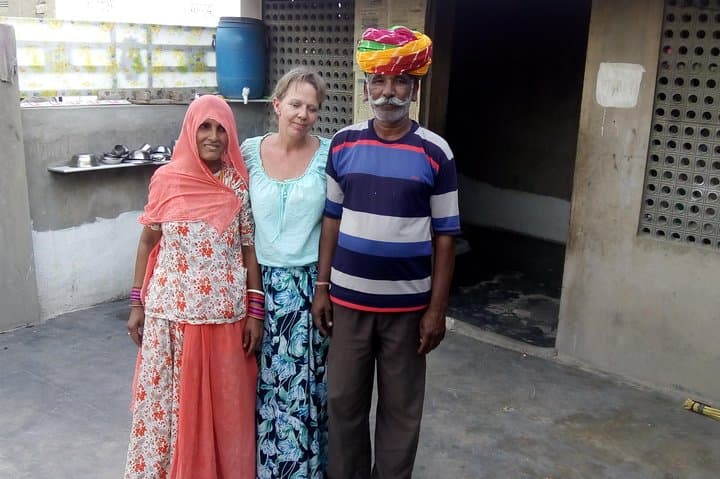

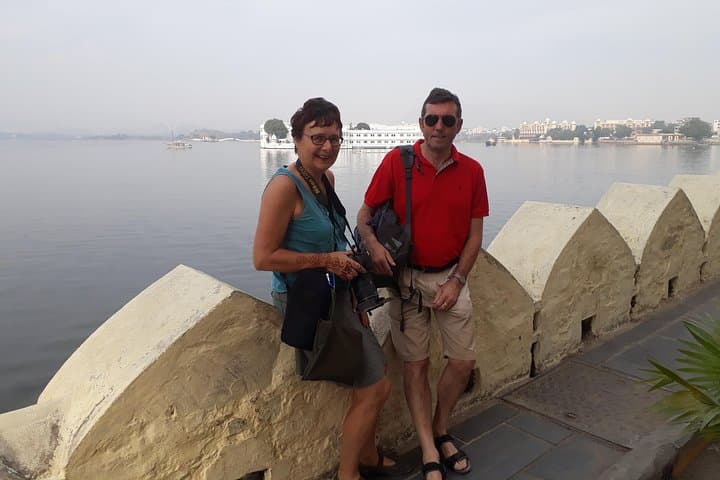
The trip opens on a warm Delhi morning: rickshaws and the honk of city life give way to the easy rhythm of train compartments and a private car rolling through burnt-gold plains. Over 12 days travelers move from Mughal monuments in Delhi and Agra to the pink palaces of Jaipur, the lakes of Udaipur, village homestays in Salawas, and nights under canvas in the Jaisalmer dunes.
The trip opens on a warm Delhi morning: rickshaws and the honk of city life give way to the easy rhythm of train compartments and a private car rolling through burnt-gold plains. Over 12 days travelers move from Mughal monuments in Delhi and Agra to the pink palaces of Jaipur, the lakes of Udaipur, village homestays in Salawas, and nights under canvas in the Jaisalmer dunes.
This route threads Mughal architecture and Rajput fortresses — Humayun’s Tomb, the Taj Mahal at sunrise, Amber and Mehrangarh forts — with rural crafts and living traditions. Geologically the region shifts from alluvial Indo-Gangetic plains into the arid, wind-sculpted sands of the Thar; culturally it’s where courtly patronage met caravan trade, producing ornate havelis, Jain marble temples at Ranakpur, and resurgent village arts among the Bishnoi people.
Expect a mix of hotel comforts (3–5 star), homestays, an optional overnight train, and desert tents. Days balance guided city walking tours with longer drives; some mornings are early to catch light on monuments or to set out for camel safaris. Local guides explain carving techniques, textile dyeing and the seasonal rhythms that shape village life.
Practical guidance: carry a daypack for water and documents, schedule the Taj at sunrise to avoid crowds, and allow an evening buffer when switching between trains and private transfers. Hydration, sun protection and respectful dress for religious sites are essential. The itinerary suits travelers who want deep cultural immersion with modest physical demands and a clear sense of Rajasthan’s landscape and history.