THE ADVENTURE COLLECTIVE® · Independent discovery and booking for outdoor travel

Covering Beijing, Xi’an, Chengdu, Yangshuo and Hong Kong, this 12-day itinerary pairs iconic sites — the Great Wall, Terracotta Warriors, panda centre and Li River karsts — with high-speed rail and one overnight soft-sleeper. Expect varied walking, cultural neighborhoods, and efficient logistics.
Covering Beijing, Xi’an, Chengdu, Yangshuo and Hong Kong, this 12-day itinerary pairs iconic sites — the Great Wall, Terracotta Warriors, panda centre and Li River karsts — with high-speed rail and one overnight soft-sleeper. Expect varied walking, cultural neighborhoods, and efficient logistics.
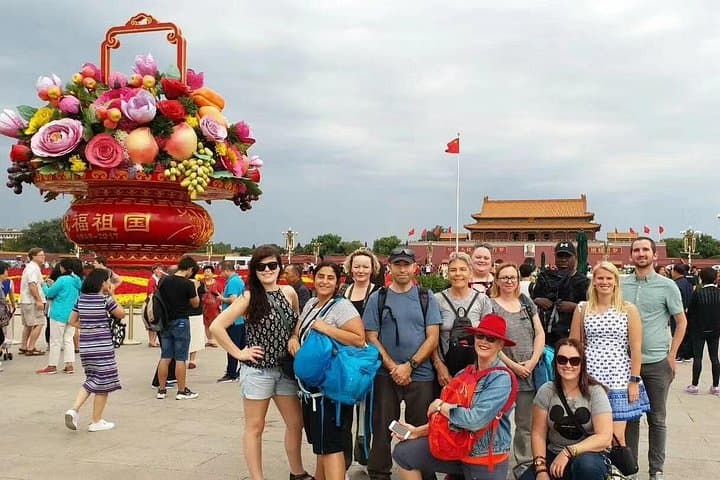
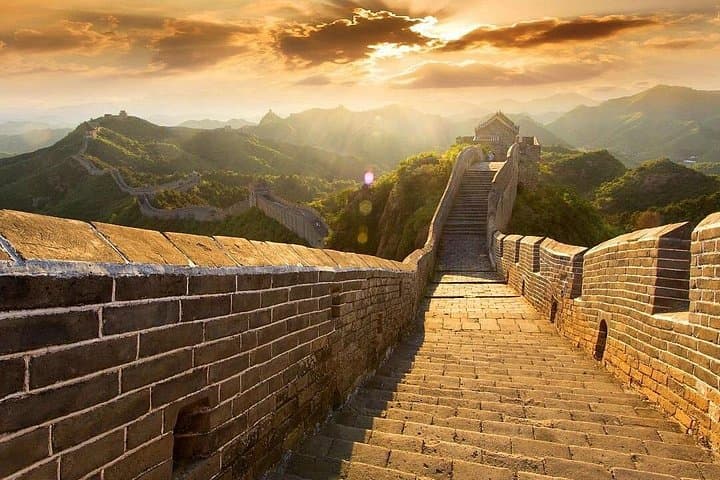
The first light in Beijing brushes the red roofs around Tiananmen as your group gathers in a hotel lobby — a hum of languages, the clack of luggage wheels, and the promise of twelve days moving fast through China's major stages. You’ll walk the restored ramparts of Mutianyu, tracing a roughly 5 km stretch of steep steps and crenellations that once aimed to hold back northern riders; take an overnight soft-sleeper to Xi’an; pedal quiet country lanes under Yangshuo’s limestone karsts; and finish with the neon crowd and Victoria Harbour of Hong Kong.
Verified experiences and guided adventures in the surrounding area.
Operated by Truly China International Travel Service · Beijing, Beijing
The first light in Beijing brushes the red roofs around Tiananmen as your group gathers in a hotel lobby — a hum of languages, the clack of luggage wheels, and the promise of twelve days moving fast through China's major stages. You’ll walk the restored ramparts of Mutianyu, tracing a roughly 5 km stretch of steep steps and crenellations that once aimed to hold back northern riders; take an overnight soft-sleeper to Xi’an; pedal quiet country lanes under Yangshuo’s limestone karsts; and finish with the neon crowd and Victoria Harbour of Hong Kong.
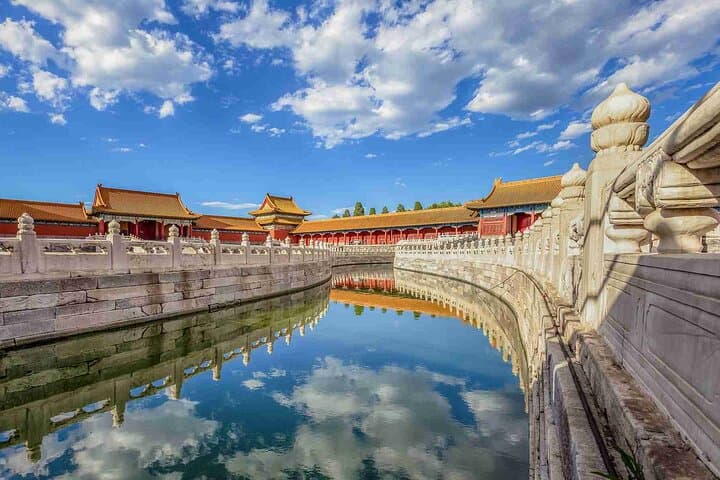
This route threads history and geology: imperial Beijing and the Ming-era Forbidden City, Qin Shi Huang’s life-sized Terracotta Warriors guarding a 3rd-century BC mausoleum, Sichuan’s basin that cradles panda conservation efforts, and the karst limestone towers carved by millions of years of river action around Guilin and Yangshuo. Local culture is immediate — Chengdu tea houses that slow the day, Xi’an’s Muslim Quarter spices, and Hong Kong’s night markets. Conservation notes run parallel: panda breeding centres focus on captive-breeding and reintroduction research, while Great Wall sections have been selectively restored for safety and access.
Practically, expect a mix of easy city walking and short moderate hikes (Mutianyu’s uneven stone steps are the most strenuous segment). High-speed train rides (Xi’an–Chengdu ~3 hrs; Guilin–Hong Kong ~3.5 hrs) and an overnight soft-sleeper link key legs. Bring comfortable walking shoes, a small daypack, a valid passport/visa, and a sense of flexible pacing — luggage moves by coach or rail, but your feet will often set the day’s tempo.
moderate.
12 days.
Suitable for travelers with regular mobility who can handle multi-hour walking days and short hikes; not technically demanding but requires endurance for consecutive travel days.
Most nationalities require a Chinese visa in advance; check your government’s entry rules well before travel and carry passport and visa copies as requested at the welcome meeting.
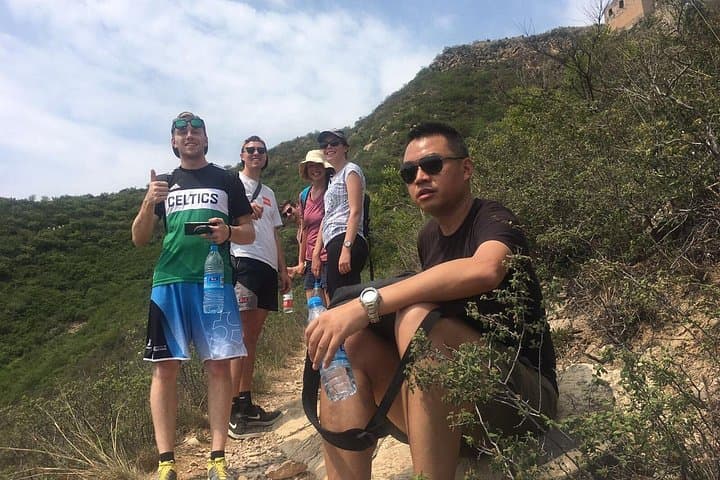
The Mutianyu section includes roughly 5 km of walking with steep, uneven stone steps; moderate fitness and good footwear are recommended, but cable car options exist for ascent/descent at your expense.
The tour lists wheelchair-accessible transport and surfaces for many transfers, but overnight soft-sleeper trains and some historic sites may present access challenges; notify the operator ahead of booking.
Tipping practices vary across China; while not always expected, modest tips for local guides and drivers are appreciated — follow your comfort and local cues.
The itinerary follows major historical corridors: Beijing’s Ming and Qing political centre, Qin-era imperial burial practices around Xi’an, and centuries of river-driven culture in southern Guangxi.
Panda centres focus on captive-breeding and research while local efforts aim to manage visitor impact at fragile sites like parts of the Great Wall and sensitive karst landscapes.
Truly China International Travel Service operates guided outdoor trips and adventures with an emphasis on safety, stewardship, and memorable experiences.
The first light in Beijing brushes the red roofs around Tiananmen as your group gathers in a hotel lobby — a hum of languages, the clack of luggage wheels, and the promise of twelve days moving fast through China's major stages. You’ll walk the restored ramparts of Mutianyu, tracing a roughly 5 km stretch of steep steps and crenellations that once aimed to hold back northern riders; take an overnight soft-sleeper to Xi’an; pedal quiet country lanes under Yangshuo’s limestone karsts; and finish with the neon crowd and Victoria Harbour of Hong Kong.
The first light in Beijing brushes the red roofs around Tiananmen as your group gathers in a hotel lobby — a hum of languages, the clack of luggage wheels, and the promise of twelve days moving fast through China's major stages. You’ll walk the restored ramparts of Mutianyu, tracing a roughly 5 km stretch of steep steps and crenellations that once aimed to hold back northern riders; take an overnight soft-sleeper to Xi’an; pedal quiet country lanes under Yangshuo’s limestone karsts; and finish with the neon crowd and Victoria Harbour of Hong Kong.
This route threads history and geology: imperial Beijing and the Ming-era Forbidden City, Qin Shi Huang’s life-sized Terracotta Warriors guarding a 3rd-century BC mausoleum, Sichuan’s basin that cradles panda conservation efforts, and the karst limestone towers carved by millions of years of river action around Guilin and Yangshuo. Local culture is immediate — Chengdu tea houses that slow the day, Xi’an’s Muslim Quarter spices, and Hong Kong’s night markets. Conservation notes run parallel: panda breeding centres focus on captive-breeding and reintroduction research, while Great Wall sections have been selectively restored for safety and access.
Practically, expect a mix of easy city walking and short moderate hikes (Mutianyu’s uneven stone steps are the most strenuous segment). High-speed train rides (Xi’an–Chengdu ~3 hrs; Guilin–Hong Kong ~3.5 hrs) and an overnight soft-sleeper link key legs. Bring comfortable walking shoes, a small daypack, a valid passport/visa, and a sense of flexible pacing — luggage moves by coach or rail, but your feet will often set the day’s tempo.