THE ADVENTURE COLLECTIVE® · Independent discovery and booking for outdoor travel

A 12-day, private wildlife circuit through Uganda’s most famous parks—Murchison Falls, Kibale, Queen Elizabeth, Bwindi and Lake Bunyonyi—designed for travelers seeking close-up encounters with gorillas, chimpanzees and riverine wildlife. Expect long drives, steep gorilla trails and early morning game drives.
A 12-day, private wildlife circuit through Uganda’s most famous parks—Murchison Falls, Kibale, Queen Elizabeth, Bwindi and Lake Bunyonyi—designed for travelers seeking close-up encounters with gorillas, chimpanzees and riverine wildlife. Expect long drives, steep gorilla trails and early morning game drives.
You step off the plane into warm, green air and the driver’s postcard bearing your name is waiting—this is the kind of arrival that immediately shifts tempo from travel to expedition. Over the next 12 days you move like a naturalist: through the broad Nile at Murchison Falls, into the deep canopies of Kibale for chimp tracking, across crater-studded plains of Queen Elizabeth, and up the steep ridges of Bwindi where mountain gorillas live in the mist.
Verified experiences and guided adventures in the surrounding area.
Operated by Emerald of Africa Safaris · Entebbe, Central Region
You step off the plane into warm, green air and the driver’s postcard bearing your name is waiting—this is the kind of arrival that immediately shifts tempo from travel to expedition. Over the next 12 days you move like a naturalist: through the broad Nile at Murchison Falls, into the deep canopies of Kibale for chimp tracking, across crater-studded plains of Queen Elizabeth, and up the steep ridges of Bwindi where mountain gorillas live in the mist.
Uganda’s landscape is young and active—volcanic highlands, rift valley lakes and the Nile carving a path north. Local culture is visible in roadside markets and community-run lodges; many tour nodes support women’s cooperatives and conservation projects. History here is layered: colonial-era conservation boundaries producing today’s national parks and community initiatives sharing benefits with villages.
Practicalities: the trip includes long drives (expect multiple 3–8 hour transfers), mixed road surfaces and steep, muddy gorilla trails that can push to roughly 2,000–2,500 m in places. Gorilla tracking usually involves a morning briefing and can last 3–8 hours depending on gorilla movement; you’ll get one hour with habituated groups. Permits are required for gorillas and popular windows fill months in advance. Malaria prophylaxis, up-to-date vaccinations, sturdy waterproof boots, and layered clothing will make a big difference. Travel light on electronics, bring binoculars and cash for park fees and local tips. Plan for early starts, slow wildlife encounters, and the kind of quiet that only a forest full of chimpanzees and gorillas can demand.
challenging.
12 days.
Good aerobic fitness and comfort with multi-hour hikes and uneven, steep terrain; some treks can last 3–8 hours.
Permits are typically not automatically included—confirm with the operator and purchase gorilla permits well in advance as they are limited.
Treks vary widely; expect 3–8 hours on steep, muddy trails with elevation changes—moderate-to-high fitness and good footwear are required.
Yes, with reasonable fitness and adherence to park rules; professional guides manage logistics and safety, but travelers should prepare for long drives and rugged conditions.
Dry months (roughly June–September and December–February) offer easier trekking and better game viewing, though birding and lush landscapes peak in wetter months.
Many parks were shaped by colonial-era boundaries; community conservation has since evolved to share tourism revenue with local villages and protect habitats.
Gorilla and chimp tracking are tightly regulated to limit disease transmission and disturbance—follow guide instructions and avoid visiting if unwell; support operators who fund local conservation and community projects.
Emerald of Africa Safaris operates guided outdoor trips and adventures with an emphasis on safety, stewardship, and memorable experiences.
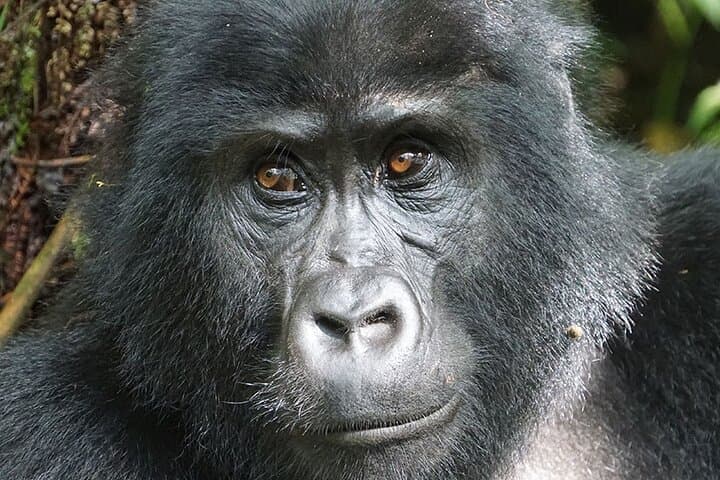
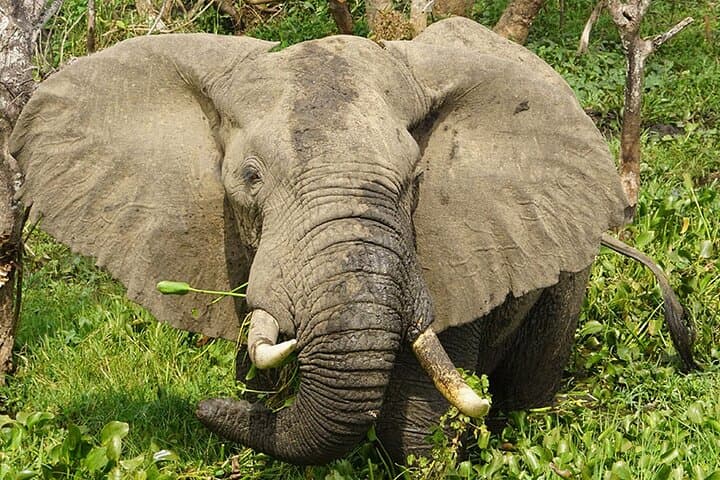
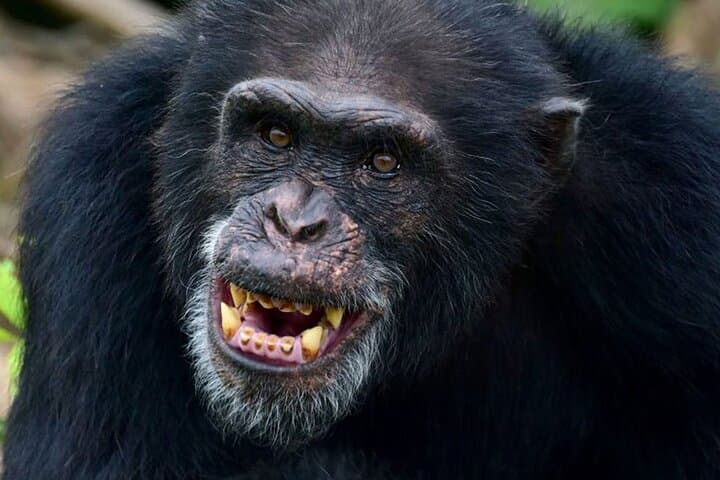
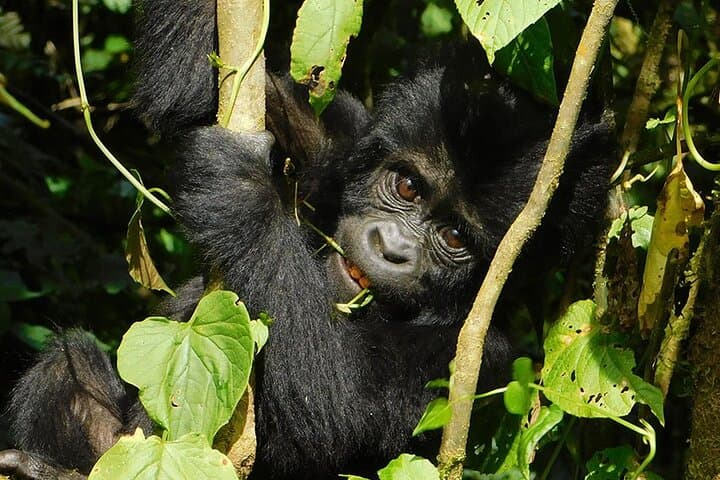
You step off the plane into warm, green air and the driver’s postcard bearing your name is waiting—this is the kind of arrival that immediately shifts tempo from travel to expedition. Over the next 12 days you move like a naturalist: through the broad Nile at Murchison Falls, into the deep canopies of Kibale for chimp tracking, across crater-studded plains of Queen Elizabeth, and up the steep ridges of Bwindi where mountain gorillas live in the mist.
You step off the plane into warm, green air and the driver’s postcard bearing your name is waiting—this is the kind of arrival that immediately shifts tempo from travel to expedition. Over the next 12 days you move like a naturalist: through the broad Nile at Murchison Falls, into the deep canopies of Kibale for chimp tracking, across crater-studded plains of Queen Elizabeth, and up the steep ridges of Bwindi where mountain gorillas live in the mist.
Uganda’s landscape is young and active—volcanic highlands, rift valley lakes and the Nile carving a path north. Local culture is visible in roadside markets and community-run lodges; many tour nodes support women’s cooperatives and conservation projects. History here is layered: colonial-era conservation boundaries producing today’s national parks and community initiatives sharing benefits with villages.
Practicalities: the trip includes long drives (expect multiple 3–8 hour transfers), mixed road surfaces and steep, muddy gorilla trails that can push to roughly 2,000–2,500 m in places. Gorilla tracking usually involves a morning briefing and can last 3–8 hours depending on gorilla movement; you’ll get one hour with habituated groups. Permits are required for gorillas and popular windows fill months in advance. Malaria prophylaxis, up-to-date vaccinations, sturdy waterproof boots, and layered clothing will make a big difference. Travel light on electronics, bring binoculars and cash for park fees and local tips. Plan for early starts, slow wildlife encounters, and the kind of quiet that only a forest full of chimpanzees and gorillas can demand.