THE ADVENTURE COLLECTIVE® · Independent discovery and booking for outdoor travel

A private 12‑day loop from Bucharest that pairs Romania’s dramatic roads and Carpathian highlands with medieval towns, painted monasteries, and geological oddities. Ideal for travelers who want history, scenery, and a flexible pace with a local guide.
A private 12‑day loop from Bucharest that pairs Romania’s dramatic roads and Carpathian highlands with medieval towns, painted monasteries, and geological oddities. Ideal for travelers who want history, scenery, and a flexible pace with a local guide.
You step out of Bucharest traffic into a private car and the city’s geometry gives way to the first folds of the Carpathians; in the rearview the Palace of Parliament shrinks, ahead the road climbs toward mountain passes and monasteries painted in an impossible blue.
Verified experiences and guided adventures in the surrounding area.
Operated by Romania Private Guide · Bucharest, Bucharest
You step out of Bucharest traffic into a private car and the city’s geometry gives way to the first folds of the Carpathians; in the rearview the Palace of Parliament shrinks, ahead the road climbs toward mountain passes and monasteries painted in an impossible blue.
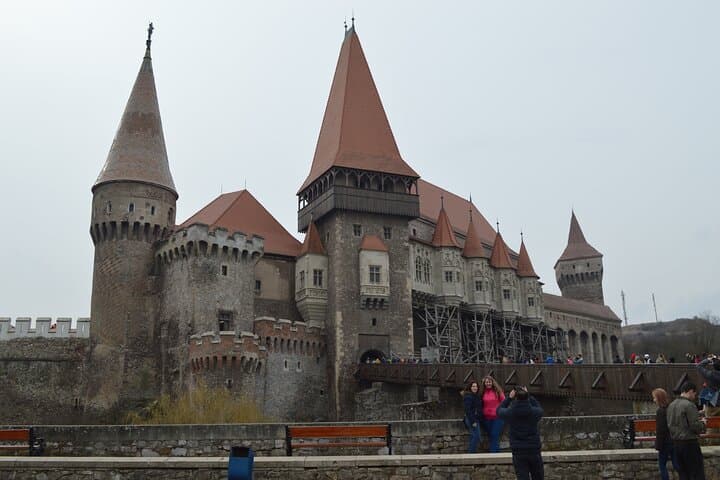
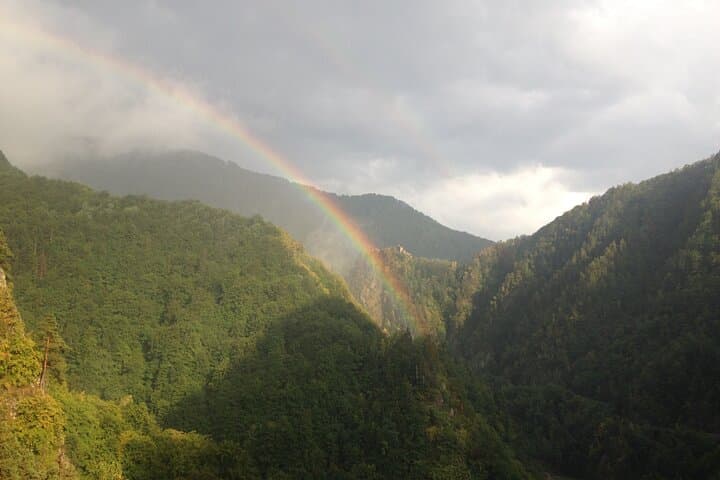
This 12‑day private loop threads modern Romania with its layered past: the megalomania of Ceaușescu’s Palace, the medieval grit of Sighişoara and Corvin Castle, and the Dacian hillforts of Sarmizegetusa perched near 1,200 m. Geology frames the route — limestone gorges at Turda, salt carved caverns in Turda Salt Mine, mud volcano cones in Berca — while the Transfăgărășan road snakes up to 2,042 m, opening only in summer when snow releases the pass.
Culturally the trip traces Saxon towns, Orthodox monastic art (Voroneț’s famous blue), and Maramureș wooden churches that reach skyward like crafted prayers. Local guides translate not just language but context: why fortified churches rose, how pastoral life shaped craft and cuisine, and where legends of Vlad the Impaler took root.
Practical notes: this is a private, largely road‑based tour with short daily walks (many sites are stroller‑friendly). Expect varied footing — cobbles, short trails, and stairs in hillforts — and mountain weather that can change fast. Book summer for the Transfăgărășan; spring and fall are quieter but wetter. Carry a daypack, waterproof layers, local currency for small vendors, and time for museum hours that vary by season. The advantage is flexibility: routes and pacing adapt to your interests and energy, so you soak in Romania’s history without feeling rushed.
moderate.
12 days.
Suitable for travelers who can manage several short walks, stairs and uneven surfaces daily; full‑on hiking fitness not required.
Yes — the tour is private and adjustable; many stops have minimal walking but some sites include stairs or gentle trails. Let the operator know mobility needs in advance.
Late June to September offers the most reliable road access to high passes (Transfăgărășan) and milder mountain weather; spring and fall are quieter but can be wet.
This private tour typically covers transport and guide; confirm with the provider which admissions, meals and hotels are included before booking.
Expect multi‑hour drives between regions (e.g., Bucharest to Sibiu ~4–5 hours); daily schedules balance driving with multiple short visits and walking tours.
Romania’s landscape preserves layers from Dacian hillforts through medieval Saxon towns to Ottoman and Habsburg influence, reflected in fortifications, churches and urban layout.
Many sites are in protected areas or UNESCO zones — stick to marked trails, avoid flash photography in frescoed churches when prohibited, and support local guides to keep economic benefits local.
Romania Private Guide operates guided outdoor trips and adventures with an emphasis on safety, stewardship, and memorable experiences.
You step out of Bucharest traffic into a private car and the city’s geometry gives way to the first folds of the Carpathians; in the rearview the Palace of Parliament shrinks, ahead the road climbs toward mountain passes and monasteries painted in an impossible blue.
You step out of Bucharest traffic into a private car and the city’s geometry gives way to the first folds of the Carpathians; in the rearview the Palace of Parliament shrinks, ahead the road climbs toward mountain passes and monasteries painted in an impossible blue.
This 12‑day private loop threads modern Romania with its layered past: the megalomania of Ceaușescu’s Palace, the medieval grit of Sighişoara and Corvin Castle, and the Dacian hillforts of Sarmizegetusa perched near 1,200 m. Geology frames the route — limestone gorges at Turda, salt carved caverns in Turda Salt Mine, mud volcano cones in Berca — while the Transfăgărășan road snakes up to 2,042 m, opening only in summer when snow releases the pass.
Culturally the trip traces Saxon towns, Orthodox monastic art (Voroneț’s famous blue), and Maramureș wooden churches that reach skyward like crafted prayers. Local guides translate not just language but context: why fortified churches rose, how pastoral life shaped craft and cuisine, and where legends of Vlad the Impaler took root.
Practical notes: this is a private, largely road‑based tour with short daily walks (many sites are stroller‑friendly). Expect varied footing — cobbles, short trails, and stairs in hillforts — and mountain weather that can change fast. Book summer for the Transfăgărășan; spring and fall are quieter but wetter. Carry a daypack, waterproof layers, local currency for small vendors, and time for museum hours that vary by season. The advantage is flexibility: routes and pacing adapt to your interests and energy, so you soak in Romania’s history without feeling rushed.