THE ADVENTURE COLLECTIVE® · Independent discovery and booking for outdoor travel

A private, 12-day circuit from Bucharest that pairs Transylvanian citadels with Carpathian high roads, painted monasteries and rural craft villages. Expect long driving days balanced by short hikes, local cuisine and unparalleled cultural variety.
A private, 12-day circuit from Bucharest that pairs Transylvanian citadels with Carpathian high roads, painted monasteries and rural craft villages. Expect long driving days balanced by short hikes, local cuisine and unparalleled cultural variety.
The morning air in Bucharest tastes of coffee and diesel as a private minibus pulls away from the city’s broad boulevards.
Verified experiences and guided adventures in the surrounding area.
Operated by Nicolas Experience Tours · Bucharest, Bucharest
The morning air in Bucharest tastes of coffee and diesel as a private minibus pulls away from the city’s broad boulevards.
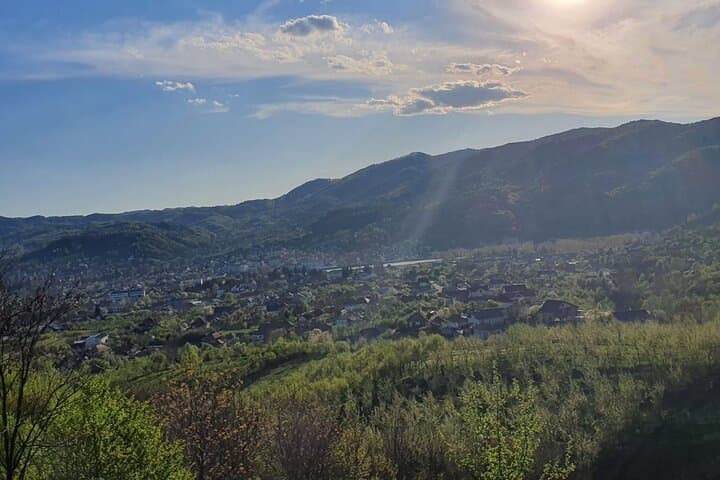
Over 12 days the route reverses the expected: from Romania’s noisy capital into silent monasteries, along hairpin roads that climb the Făgăraș, and across plateaus where painted churches stare into long fields. Travelers stand on Transfăgărășan ridgelines watching the valley fold away; they walk through fortified Saxon towns whose watchtowers still mark medieval trade routes; they descend into the cool hush of Turda Salt Mine and the echoing corridors of Poienari’s ruined keep.
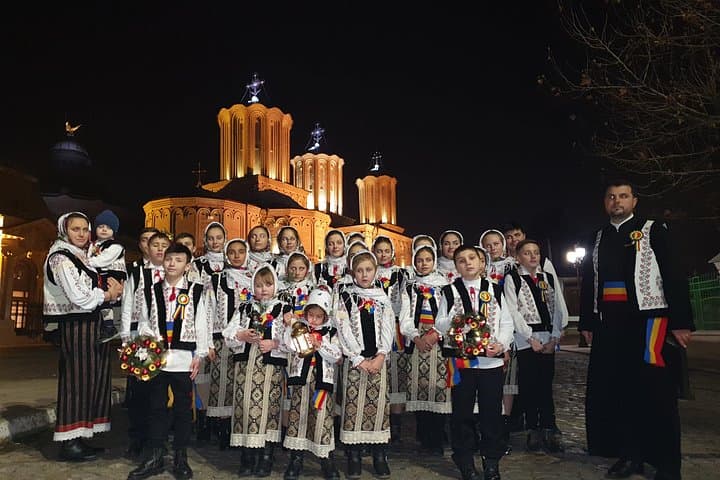
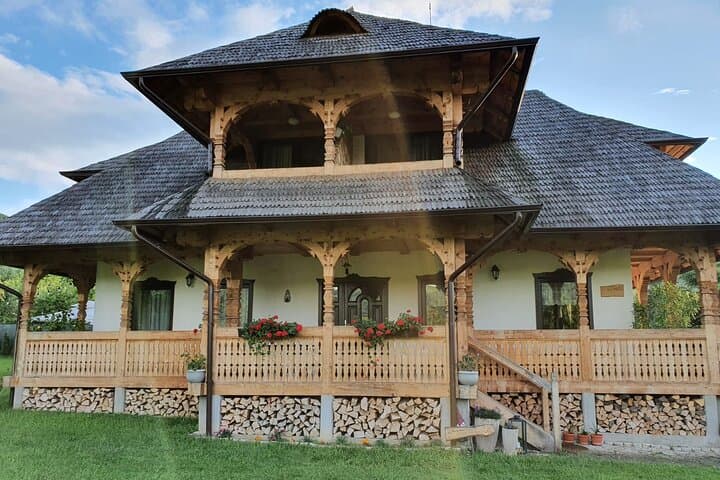
Geology and history are partners here — Carpathian limestone scoured into gorges, volcanic mud cones in Berca, and ancient Roman and Dacian fortifications repurposed by later kings. Culturally the trip threads Orthodox monasticism, Saxon craftsmanship, and shepherding traditions; Maramureș villages keep wooden carpentry skills visible in houses and churches.
Practical matters govern the day: expect a mix of short walks and long drives, some unpaved roads, and seasonal closures (Transfăgărășan typically closed in winter). Carry layered clothing for mountain afternoons and sun protection for lowland vineyards. Local guides handle permits and parking; tipping and cash for small rural purchases remain useful.
This is a trip for curious walkers and patient travelers: pack comfortable shoes, plan for early starts on scenic days, and leave room in the itinerary for a market stop or an unscheduled viewpoint — those are often the moments that define the journey.
moderate.
12 days.
Suitable for travelers who can manage several short hikes, stair climbs in castles, and full-day drives; basic stamina for consecutive days is recommended.
Accommodation and most meals are included per the itinerary; specifics vary so confirm which nights and meal types are covered at booking.
No — the Transfăgărășan is usually open from late June to October depending on snow; alternative routes are used in shoulder seasons.
No special permit is required for visitors, but some remote sites have limited parking and short uphill walks; guides typically manage access logistics.
The tour is private and can be adjusted, but many sites involve stairs, uneven ground and long drives; discuss mobility needs when booking to tailor the itinerary.
The route threads Dacian strongholds, medieval Saxon towns and Ottoman-era borderlands — a geography shaped by strategic passes through the Carpathians.
Many sites are fragile: stick to marked paths at gorges and monasteries, use local guides to minimize impact, and avoid single-use plastics when possible.
Nicolas Experience Tours operates guided outdoor trips and adventures with an emphasis on safety, stewardship, and memorable experiences.
The morning air in Bucharest tastes of coffee and diesel as a private minibus pulls away from the city’s broad boulevards.
The morning air in Bucharest tastes of coffee and diesel as a private minibus pulls away from the city’s broad boulevards.
Over 12 days the route reverses the expected: from Romania’s noisy capital into silent monasteries, along hairpin roads that climb the Făgăraș, and across plateaus where painted churches stare into long fields. Travelers stand on Transfăgărășan ridgelines watching the valley fold away; they walk through fortified Saxon towns whose watchtowers still mark medieval trade routes; they descend into the cool hush of Turda Salt Mine and the echoing corridors of Poienari’s ruined keep.
Geology and history are partners here — Carpathian limestone scoured into gorges, volcanic mud cones in Berca, and ancient Roman and Dacian fortifications repurposed by later kings. Culturally the trip threads Orthodox monasticism, Saxon craftsmanship, and shepherding traditions; Maramureș villages keep wooden carpentry skills visible in houses and churches.
Practical matters govern the day: expect a mix of short walks and long drives, some unpaved roads, and seasonal closures (Transfăgărășan typically closed in winter). Carry layered clothing for mountain afternoons and sun protection for lowland vineyards. Local guides handle permits and parking; tipping and cash for small rural purchases remain useful.
This is a trip for curious walkers and patient travelers: pack comfortable shoes, plan for early starts on scenic days, and leave room in the itinerary for a market stop or an unscheduled viewpoint — those are often the moments that define the journey.