THE ADVENTURE COLLECTIVE® · Independent discovery and booking for outdoor travel

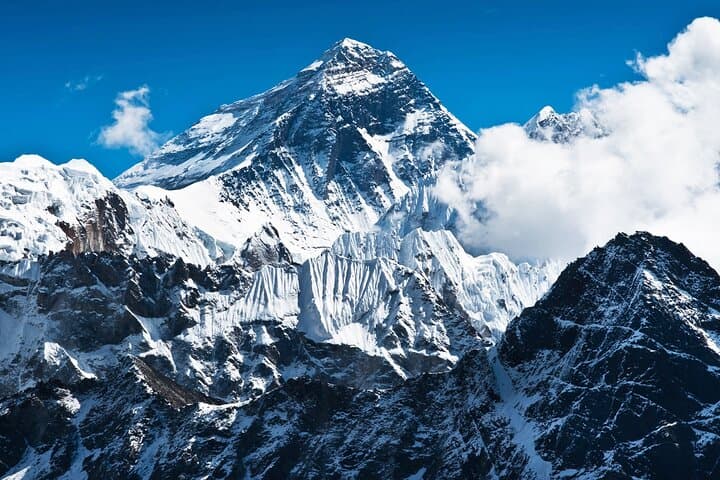
Fly into Lukla, walk through Sherpa villages and stand beneath Everest’s shoulder on a private, luxury-supported trek. Expect heated lodges, cultural exchanges, and classic Khumbu views—prepare for altitude and variable mountain weather.
Fly into Lukla, walk through Sherpa villages and stand beneath Everest’s shoulder on a private, luxury-supported trek. Expect heated lodges, cultural exchanges, and classic Khumbu views—prepare for altitude and variable mountain weather.
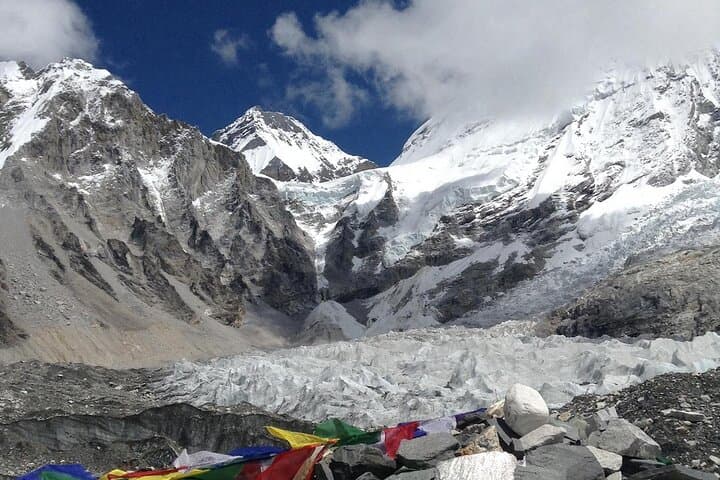
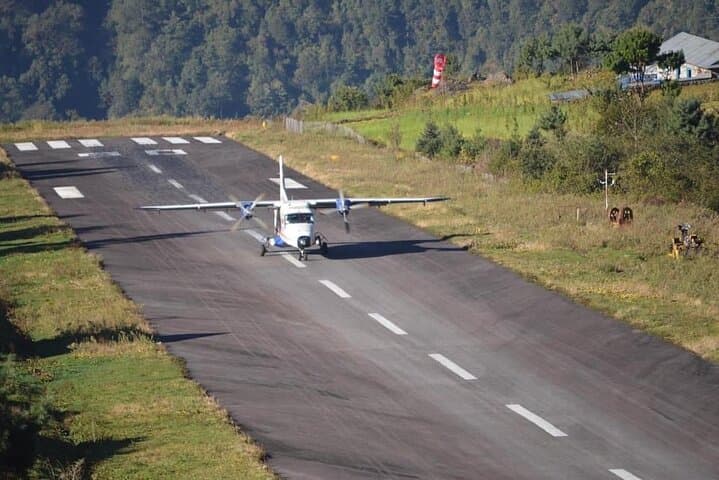
You step off the small Twin Otter in Lukla and the air is thin and bright, the runway dropping away and a string of white peaks framing the valley. Days unfold on single-track trails, across suspension bridges over the Dudh Kosi, and into villages where prayer flags flicker like small, stubborn fires against the wind.
Verified experiences and guided adventures in the surrounding area.
Operated by Going Nepal - B2B Luxury DMC · Kathmandu, Bagmati Province
You step off the small Twin Otter in Lukla and the air is thin and bright, the runway dropping away and a string of white peaks framing the valley. Days unfold on single-track trails, across suspension bridges over the Dudh Kosi, and into villages where prayer flags flicker like small, stubborn fires against the wind.
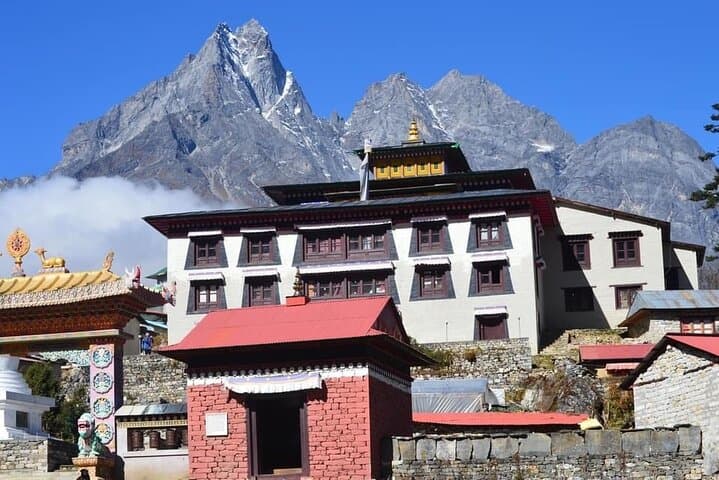
This route follows classic Sherpa country: Lukla to Namche Bazaar, an acclimatization day, then on to Tengboche and Khumjung before returning. The geology is raw—young Himalayan fold-and-thrust mountains pushing skyward from uplifted sea bed—so trails are steep, rocky and prone to sudden weather. Cultural highlights include Tengboche Monastery’s ritual drums, stone mani walls, and opportunities to witness seasonal agricultural festivals and local school visits.
Practically, the trip is high-altitude trekking rather than technical mountaineering: expect 4–7 hours of walking most days, dirt and stone paths with cumulative elevation gain to ~3,800 m on side excursions, and luxury lodge accommodations listed as “Yeti Homes” or equivalent with heated rooms, hot showers and full board. Flights to/from Lukla are weather dependent; schedule buffer days. Carry layers, a good down jacket, sturdy boots, trekking poles, and water purification tablets. Hydrate, pace your ascent, and use acclimatization days—altitude is the variable that determines comfort and safety. Guides and porters handle logistics and permits, but personal fitness, sensible gear, and flexibility with schedules are essential for a smooth, memorable trek.
challenging.
12 days.
Good cardiovascular fitness and experience with multi-day hill trekking are recommended; participants should be comfortable walking 4–7 hours a day on uneven trails.
No technical climbing experience is required, but prior multi-day trekking experience and good fitness help; acclimatization days are built into the itinerary to reduce altitude risks.
Lukla flights are weather-dependent; delays and rescheduling are common—plans include buffer time but expect flexibility.
The trip uses higher-end teahouses and referred 'luxury' lodges in the Khumbu with private rooms, hot water and full-board meals, though amenities vary by village.
Yes—trekking permits, Sagarmatha National Park entry, licensed English-speaking guides, and porter arrangements are included as listed.
The Khumbu valley is Sherpa homeland; Tengboche Monastery (early 20th century origins) anchors regional religious life and pilgrimage.
The route lies within Sagarmatha National Park (a UNESCO site); visitors should minimize waste, avoid single-use plastics, and respect wildlife and local grazing areas.
Going Nepal - B2B Luxury DMC operates guided outdoor trips and adventures with an emphasis on safety, stewardship, and memorable experiences.
You step off the small Twin Otter in Lukla and the air is thin and bright, the runway dropping away and a string of white peaks framing the valley. Days unfold on single-track trails, across suspension bridges over the Dudh Kosi, and into villages where prayer flags flicker like small, stubborn fires against the wind.
You step off the small Twin Otter in Lukla and the air is thin and bright, the runway dropping away and a string of white peaks framing the valley. Days unfold on single-track trails, across suspension bridges over the Dudh Kosi, and into villages where prayer flags flicker like small, stubborn fires against the wind.
This route follows classic Sherpa country: Lukla to Namche Bazaar, an acclimatization day, then on to Tengboche and Khumjung before returning. The geology is raw—young Himalayan fold-and-thrust mountains pushing skyward from uplifted sea bed—so trails are steep, rocky and prone to sudden weather. Cultural highlights include Tengboche Monastery’s ritual drums, stone mani walls, and opportunities to witness seasonal agricultural festivals and local school visits.
Practically, the trip is high-altitude trekking rather than technical mountaineering: expect 4–7 hours of walking most days, dirt and stone paths with cumulative elevation gain to ~3,800 m on side excursions, and luxury lodge accommodations listed as “Yeti Homes” or equivalent with heated rooms, hot showers and full board. Flights to/from Lukla are weather dependent; schedule buffer days. Carry layers, a good down jacket, sturdy boots, trekking poles, and water purification tablets. Hydrate, pace your ascent, and use acclimatization days—altitude is the variable that determines comfort and safety. Guides and porters handle logistics and permits, but personal fitness, sensible gear, and flexibility with schedules are essential for a smooth, memorable trek.