THE ADVENTURE COLLECTIVE® · Independent discovery and booking for outdoor travel

A private 12-day circuit from Casablanca that stitches imperial cities, Rif and Atlas passes, Roman ruins and a Sahara camel trek into a single immersive itinerary. Expect long drives, varied climates, and culturally rich stops in Fes, Marrakech and Merzouga.
A private 12-day circuit from Casablanca that stitches imperial cities, Rif and Atlas passes, Roman ruins and a Sahara camel trek into a single immersive itinerary. Expect long drives, varied climates, and culturally rich stops in Fes, Marrakech and Merzouga.
Morning light hits Casablanca’s corniche and the city exhales—this private 12-day loop moves visitors from Atlantic promenades to blue-washed alleys and the sand seas of the Sahara.
Verified experiences and guided adventures in the surrounding area.
Operated by Morocco Imperial Tours · Casablanca, Grand Casablanca-Settat
Morning light hits Casablanca’s corniche and the city exhales—this private 12-day loop moves visitors from Atlantic promenades to blue-washed alleys and the sand seas of the Sahara.
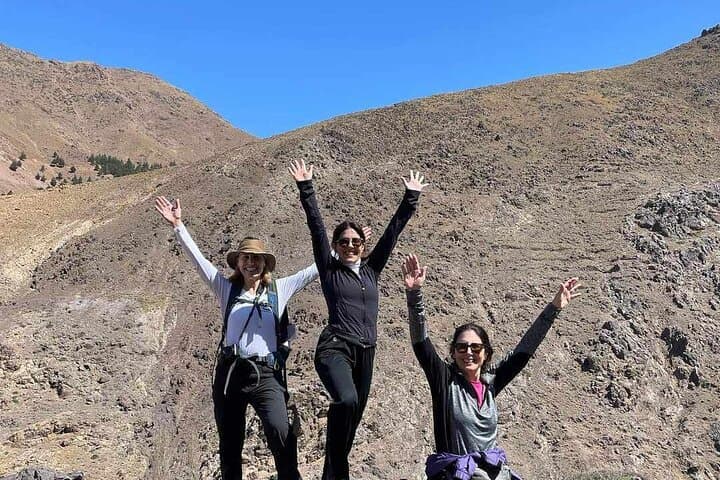
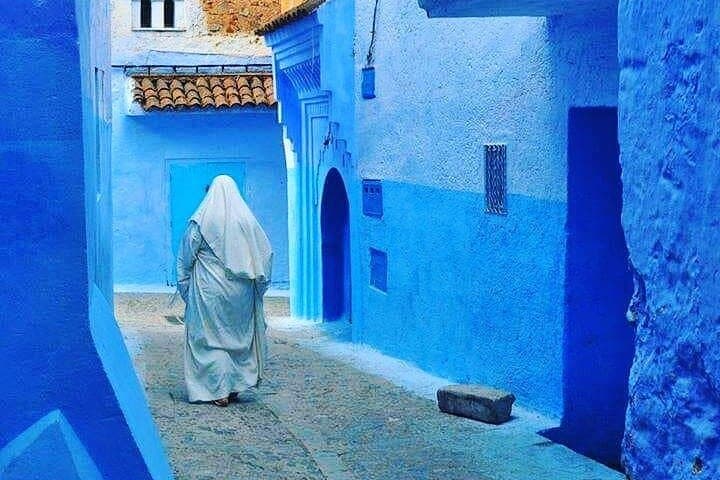
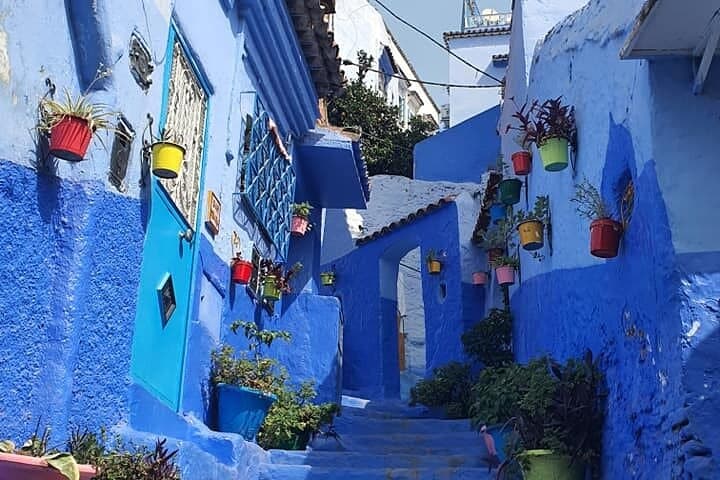
Travel begins at Hassan II Mosque and threads through Rabat’s ramparts, the blue lanes of Chefchaouen, and the Roman mosaics at Volubilis. The route climbs the High Atlas via Tizi n’Tichka (2,260 m), where limestone and volcanic ridgelines give way to ochre valleys. In Merzouga the Erg Chebbi dunes become an active character: wind-sculpted ridges that push and fold as you ride a camel to a luxury desert camp and watch the light sharpen each grain.
Along the way the itinerary mixes living culture and geology—Meknes’ Bab Mansour gate, Fes’ medieval medina and tanneries, Todra’s narrow limestone gorges and Dades’ sculpted rock formations known locally as “monkey toes.” Essaouira’s winds and argan-dotted hills introduce Atlantic influences and a long-standing craft economy.
Practical guidance: expect long driving days (some stretches 4–6 hours), elementary walks through medinas and light trekking in gorges. Temperatures swing—hot lowlands, cool mountain passes—so pack layered clothing. Carry local currency for tips and small purchases; bring a reusable water bottle and sunscreen. Book accommodations and the camel trek in advance for peak-season travel (spring and fall) to avoid crowds. This itinerary suits travelers who want culturally dense, varied landscapes with comfortable logistics and curated local guides.
moderate.
12 days.
Moderate fitness recommended—comfortable walking for city alleys and short hikes; able to manage camel rides and uneven desert sand.
Yes—the itinerary is private and can be adjusted for children; camel rides are generally family-friendly but confirm age limits with the operator.
Visa requirements depend on nationality; many countries enjoy visa-free stays for short visits—check Morocco’s government website before travel.
Breakfast is typically included daily; some tours include additional meals—verify the package specifics and notify dietary needs in advance.
Walking is mostly moderate: uneven alleyways, stairs and brief hikes in gorges; good mobility and steady footwear are recommended.
The route threads Roman Volubilis (3rd century BC mosaics), medieval imperial cities from the Alaouite dynasty, and Berber (Amazigh) cultural traditions in the Atlas and Sahara.
Sustainable travel principles—use local guides, respect dune ecosystems by sticking to routes, and limit single-use plastics; support cooperatives that produce argan oil and rose water.
Morocco Imperial Tours operates guided outdoor trips and adventures with an emphasis on safety, stewardship, and memorable experiences.
Morning light hits Casablanca’s corniche and the city exhales—this private 12-day loop moves visitors from Atlantic promenades to blue-washed alleys and the sand seas of the Sahara.
Morning light hits Casablanca’s corniche and the city exhales—this private 12-day loop moves visitors from Atlantic promenades to blue-washed alleys and the sand seas of the Sahara.
Travel begins at Hassan II Mosque and threads through Rabat’s ramparts, the blue lanes of Chefchaouen, and the Roman mosaics at Volubilis. The route climbs the High Atlas via Tizi n’Tichka (2,260 m), where limestone and volcanic ridgelines give way to ochre valleys. In Merzouga the Erg Chebbi dunes become an active character: wind-sculpted ridges that push and fold as you ride a camel to a luxury desert camp and watch the light sharpen each grain.
Along the way the itinerary mixes living culture and geology—Meknes’ Bab Mansour gate, Fes’ medieval medina and tanneries, Todra’s narrow limestone gorges and Dades’ sculpted rock formations known locally as “monkey toes.” Essaouira’s winds and argan-dotted hills introduce Atlantic influences and a long-standing craft economy.
Practical guidance: expect long driving days (some stretches 4–6 hours), elementary walks through medinas and light trekking in gorges. Temperatures swing—hot lowlands, cool mountain passes—so pack layered clothing. Carry local currency for tips and small purchases; bring a reusable water bottle and sunscreen. Book accommodations and the camel trek in advance for peak-season travel (spring and fall) to avoid crowds. This itinerary suits travelers who want culturally dense, varied landscapes with comfortable logistics and curated local guides.