THE ADVENTURE COLLECTIVE® · Independent discovery and booking for outdoor travel

A 12-day private camping safari from Arusha that combines waterfalls and hot springs with Tarangire’s baobabs, Serengeti game drives, Ngorongoro’s crater wildlife and a summit of Ol Doinyo Lengai. Expect long drives, expert guiding, and immersive nights under the stars.
A 12-day private camping safari from Arusha that combines waterfalls and hot springs with Tarangire’s baobabs, Serengeti game drives, Ngorongoro’s crater wildlife and a summit of Ol Doinyo Lengai. Expect long drives, expert guiding, and immersive nights under the stars.
You wake before dawn in Arusha and the land already seems to be moving: birds calling from coffee groves, the road eastward simmering under a low sun. The first day’s trail threads through Materuni’s rainforest and coffee farms, the waterfall’s spray daring you closer; later, Chemka’s warm springs hold your tired limbs like a slow promise.
Verified experiences and guided adventures in the surrounding area.
Operated by Suricata Safaris · Arusha, Arusha Region
You wake before dawn in Arusha and the land already seems to be moving: birds calling from coffee groves, the road eastward simmering under a low sun. The first day’s trail threads through Materuni’s rainforest and coffee farms, the waterfall’s spray daring you closer; later, Chemka’s warm springs hold your tired limbs like a slow promise.
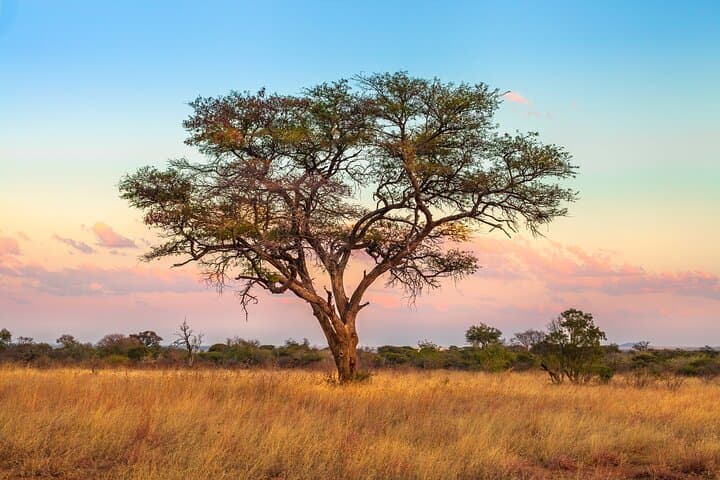
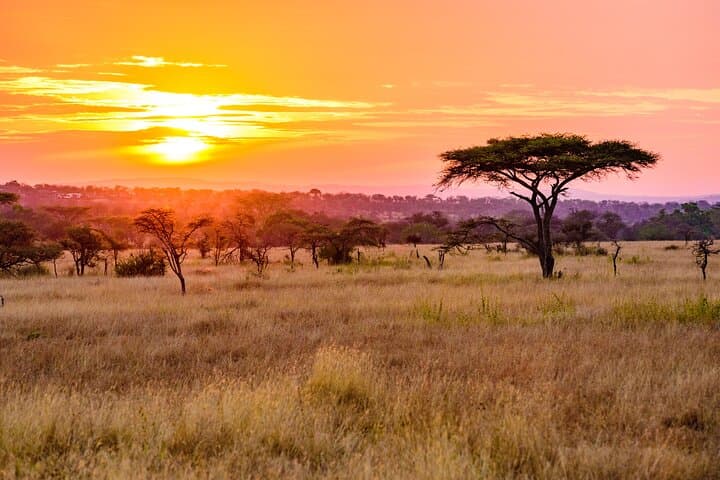
This itinerary reads like a cross-section of northern Tanzania’s geology and culture. The Rift Valley’s escarpments cradle Lake Manyara and the alkaline sheen of Lake Natron; the Ngorongoro Crater is a collapsed volcano turned caldera, its rim framing a concentrated mosaic of habitats. The Serengeti is ancient grassland, wind-sculpted and relentless, where the migration curves the horizon.
Culturally, the route moves from Moshi’s Chagga and coffee traditions to Mto wa Mbu’s agricultural mosaic and the Hadzabe’s living history around Lake Eyasi; Maasai homesteads punctuate routes near Ol Doinyo Lengai. Guides translate not just language but landscape—what’s dangerous, what’s sacred, what’s thriving.
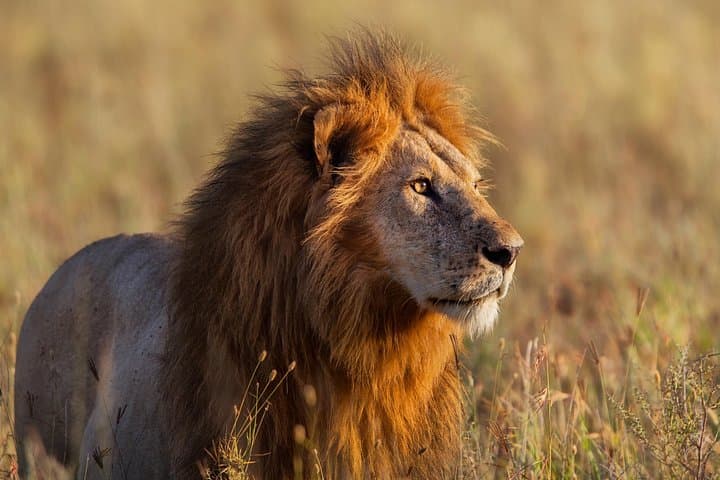
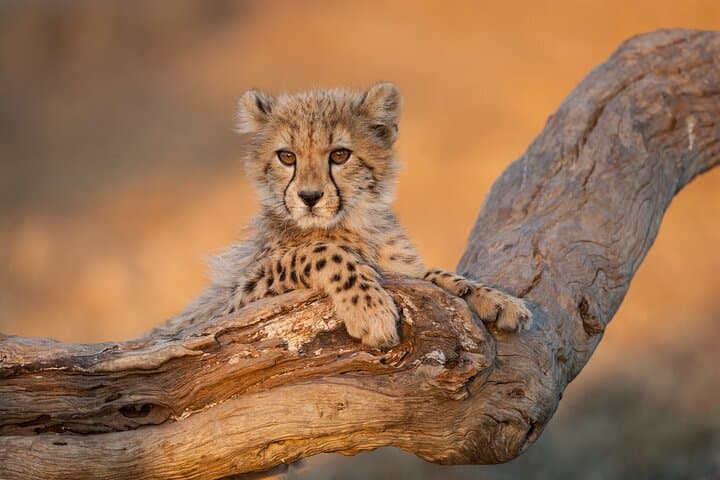
Practically: expect long drives interspersed with full-day game drives and camping at established sites. Meals are included and guides manage logistics; the Ol Doinyo Lengai summit is the trip’s most demanding segment—pre-dawn, steep scree, and high heat exposure. Bring durable boots, layered clothing, sun protection, ample water, and a compact sleeping system rated for mild nights. Best wildlife visibility comes in the dry season (June–October); rains green the hills but can slow road travel.
This is a trip for travelers who want intimate nights under the African sky, sustained wildlife viewing, and a mix of cultural encounters—built around steady travel, patient observation, and practical preparation.
challenging.
12 days.
Suitable for travelers with good general fitness; participants should be able to manage multi-hour game drives, uneven walking at camps and a strenuous pre-dawn hike to Ol Doinyo Lengai’s summit.
Most days are vehicle-based with short walks; however, the Ol Doinyo Lengai summit is steep and requires good fitness and sure footing—expect several hours of uphill hiking in loose volcanic scree.
This tour description notes meals and a certified guide included, but park entrance fees and conservation levies are typically separate—confirm with the operator before booking.
Standard travel vaccinations, malaria prophylaxis, and up-to-date routine shots are advised; consult a travel clinic for personalized recommendations well before departure.
The dry season (June–October) concentrates animals around water and offers the most reliable game viewing; short and long rains change access and visual patterns but bring lush scenery.
The Ngorongoro Crater formed when a large volcano collapsed two to three million years ago; the region has supported human habitation and pastoral cultures, including the Maasai, for centuries.
This corridor includes multiple protected areas with strict park rules; stick to marked routes, avoid single-use plastics, and follow your guide to minimize wildlife disturbance.
Suricata Safaris operates guided outdoor trips and adventures with an emphasis on safety, stewardship, and memorable experiences.
You wake before dawn in Arusha and the land already seems to be moving: birds calling from coffee groves, the road eastward simmering under a low sun. The first day’s trail threads through Materuni’s rainforest and coffee farms, the waterfall’s spray daring you closer; later, Chemka’s warm springs hold your tired limbs like a slow promise.
You wake before dawn in Arusha and the land already seems to be moving: birds calling from coffee groves, the road eastward simmering under a low sun. The first day’s trail threads through Materuni’s rainforest and coffee farms, the waterfall’s spray daring you closer; later, Chemka’s warm springs hold your tired limbs like a slow promise.
This itinerary reads like a cross-section of northern Tanzania’s geology and culture. The Rift Valley’s escarpments cradle Lake Manyara and the alkaline sheen of Lake Natron; the Ngorongoro Crater is a collapsed volcano turned caldera, its rim framing a concentrated mosaic of habitats. The Serengeti is ancient grassland, wind-sculpted and relentless, where the migration curves the horizon.
Culturally, the route moves from Moshi’s Chagga and coffee traditions to Mto wa Mbu’s agricultural mosaic and the Hadzabe’s living history around Lake Eyasi; Maasai homesteads punctuate routes near Ol Doinyo Lengai. Guides translate not just language but landscape—what’s dangerous, what’s sacred, what’s thriving.
Practically: expect long drives interspersed with full-day game drives and camping at established sites. Meals are included and guides manage logistics; the Ol Doinyo Lengai summit is the trip’s most demanding segment—pre-dawn, steep scree, and high heat exposure. Bring durable boots, layered clothing, sun protection, ample water, and a compact sleeping system rated for mild nights. Best wildlife visibility comes in the dry season (June–October); rains green the hills but can slow road travel.
This is a trip for travelers who want intimate nights under the African sky, sustained wildlife viewing, and a mix of cultural encounters—built around steady travel, patient observation, and practical preparation.