THE ADVENTURE COLLECTIVE® · Independent discovery and booking for outdoor travel

A paced 12-day private trek from Pokhara into the Annapurna Sanctuary, the itinerary combines village teahouses, rhododendron forests and a summit-side approach to Annapurna Base Camp (4,110 m). Perfect for hikers with solid fitness seeking high-altitude landscapes and cultural stops.
A paced 12-day private trek from Pokhara into the Annapurna Sanctuary, the itinerary combines village teahouses, rhododendron forests and a summit-side approach to Annapurna Base Camp (4,110 m). Perfect for hikers with solid fitness seeking high-altitude landscapes and cultural stops.
The first light on the Annapurna massif slices the horizon into hard ridgelines; prayer flags snap above a village teahouse as you tighten your boots and step onto the trail. Over twelve days you move from Pokhara's lake-still air (850 m) into the amphitheater of the Annapurna Sanctuary, reaching Annapurna Base Camp at roughly 4,110 m.
Verified experiences and guided adventures in the surrounding area.
Operated by Chamlang Expeditions · Pokhara, Gandaki Province
The first light on the Annapurna massif slices the horizon into hard ridgelines; prayer flags snap above a village teahouse as you tighten your boots and step onto the trail. Over twelve days you move from Pokhara's lake-still air (850 m) into the amphitheater of the Annapurna Sanctuary, reaching Annapurna Base Camp at roughly 4,110 m.
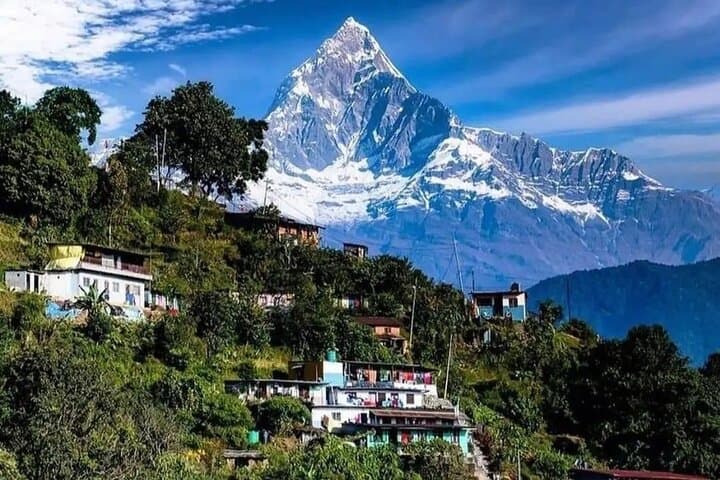
This route threads cultural villages and ecological zones: subtropical farmland gives way to rhododendron and bamboo forests, then to high alpine meadows ringed by glaciated peaks. The region has long been home to Gurung and Magar communities whose villages, stone steps, and mani walls reflect a mountain way of life that supported traders and pilgrims for centuries.
Geologically the trail climbs across active tectonic uplift—steep terraces and moraine fields—and offers close views of Annapurna South, Hiunchuli, and the dramatic fluted profile of Machhapuchhre.
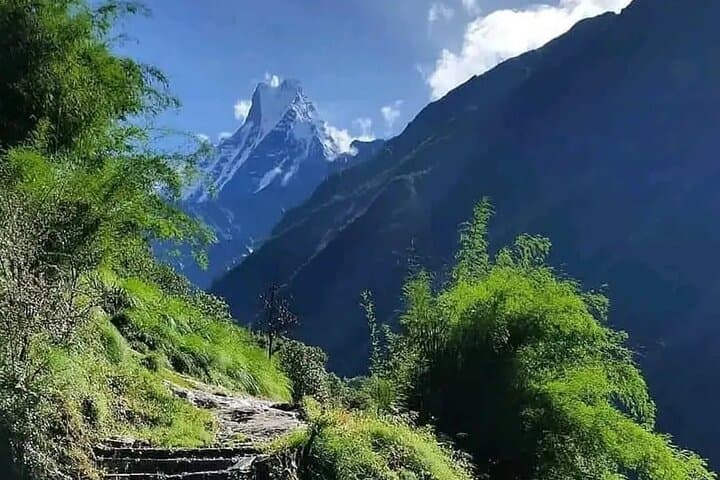
Expect steady uphill days (typical daily trekking 4–7 hours), long stone stairways near Ulleri, and exposed scree sections approaching Deurali and ABC. Teahouse accommodation and basic meals are standard; mornings bring the best light and cooler, more stable weather for summit-facing photography.
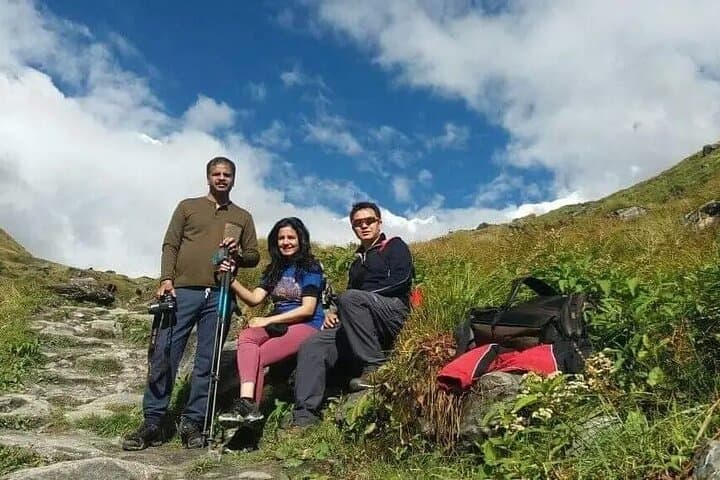
Practically: acclimatize on the Ghorepani–Poon Hill section, carry layered insulation for cold nights above 3,000 m, and hydrate proactively to reduce altitude risk. Good hiking boots, trekking poles, and a 30–40 L daypack will keep you nimble on stone steps and loose sections. With private guiding and a paced schedule, this 12-day itinerary balances cultural stops with the physical challenge of high-altitude trekking, delivering close-up mountain views and the quiet alpine cathedral of Annapurna Base Camp.
challenging.
12 days.
Good cardiovascular fitness and endurance for consecutive days of 4–7 hour hikes and altitude gain; prior multi-day hiking experience recommended
Yes—trekkers need an Annapurna Conservation Area Permit (ACAP) and a TIMS card; these are usually arranged in Pokhara through your operator.
Yes—ABC reaches 4,110 m; follow a conservative ascent, stay hydrated, and communicate symptoms early; operators can adjust the itinerary or arrange descent if needed.
Accommodation is teahouse-style—simple guest rooms with shared facilities in villages; basic hot meals are included according to the itinerary.
Fall (Sep–Nov) and spring (Mar–May) offer the clearest views and most stable conditions for a comfortable trek.
The Annapurna region is traditionally inhabited by Gurung and Magar communities; many villages retain traditional stone architecture and agricultural terraces tied to age-old mountain livelihoods.
The route passes through the Annapurna Conservation Area—follow Leave No Trace practices, support local teahouses, and avoid single-use plastics to reduce impact.
Chamlang Expeditions operates guided outdoor trips and adventures with an emphasis on safety, stewardship, and memorable experiences.
The first light on the Annapurna massif slices the horizon into hard ridgelines; prayer flags snap above a village teahouse as you tighten your boots and step onto the trail. Over twelve days you move from Pokhara's lake-still air (850 m) into the amphitheater of the Annapurna Sanctuary, reaching Annapurna Base Camp at roughly 4,110 m.
The first light on the Annapurna massif slices the horizon into hard ridgelines; prayer flags snap above a village teahouse as you tighten your boots and step onto the trail. Over twelve days you move from Pokhara's lake-still air (850 m) into the amphitheater of the Annapurna Sanctuary, reaching Annapurna Base Camp at roughly 4,110 m.
This route threads cultural villages and ecological zones: subtropical farmland gives way to rhododendron and bamboo forests, then to high alpine meadows ringed by glaciated peaks. The region has long been home to Gurung and Magar communities whose villages, stone steps, and mani walls reflect a mountain way of life that supported traders and pilgrims for centuries.
Geologically the trail climbs across active tectonic uplift—steep terraces and moraine fields—and offers close views of Annapurna South, Hiunchuli, and the dramatic fluted profile of Machhapuchhre.
Expect steady uphill days (typical daily trekking 4–7 hours), long stone stairways near Ulleri, and exposed scree sections approaching Deurali and ABC. Teahouse accommodation and basic meals are standard; mornings bring the best light and cooler, more stable weather for summit-facing photography.
Practically: acclimatize on the Ghorepani–Poon Hill section, carry layered insulation for cold nights above 3,000 m, and hydrate proactively to reduce altitude risk. Good hiking boots, trekking poles, and a 30–40 L daypack will keep you nimble on stone steps and loose sections. With private guiding and a paced schedule, this 12-day itinerary balances cultural stops with the physical challenge of high-altitude trekking, delivering close-up mountain views and the quiet alpine cathedral of Annapurna Base Camp.