THE ADVENTURE COLLECTIVE® · Independent discovery and booking for outdoor travel

This 12‑day private tour moves from the bustle of Delhi, Jaipur and Agra into the sacred sites of the Buddha Circuit — Lumbini, Kushinagar, Bodhgaya and Sarnath. Expect cultural depth, long travel days, and guided visits to major pilgrimage sites.
This 12‑day private tour moves from the bustle of Delhi, Jaipur and Agra into the sacred sites of the Buddha Circuit — Lumbini, Kushinagar, Bodhgaya and Sarnath. Expect cultural depth, long travel days, and guided visits to major pilgrimage sites.
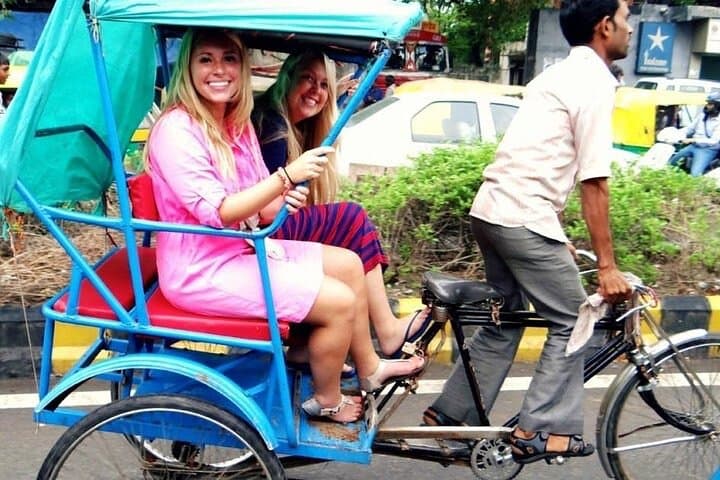
You step out of the hotel before dawn and the city is already moving — rickshaws buzzing, vendors arranging spices, and the first light catching the domes of Old Delhi. Over twelve days this private tour threads through Mughal forts and pink palaces, then crosses into the quieter, contemplative landscape of the Buddha Circuit from Kapilavastu and Lumbini to Bodhgaya and Sarnath.
Verified experiences and guided adventures in the surrounding area.
Operated by Chuttibaaz · New Delhi, Delhi
You step out of the hotel before dawn and the city is already moving — rickshaws buzzing, vendors arranging spices, and the first light catching the domes of Old Delhi. Over twelve days this private tour threads through Mughal forts and pink palaces, then crosses into the quieter, contemplative landscape of the Buddha Circuit from Kapilavastu and Lumbini to Bodhgaya and Sarnath.
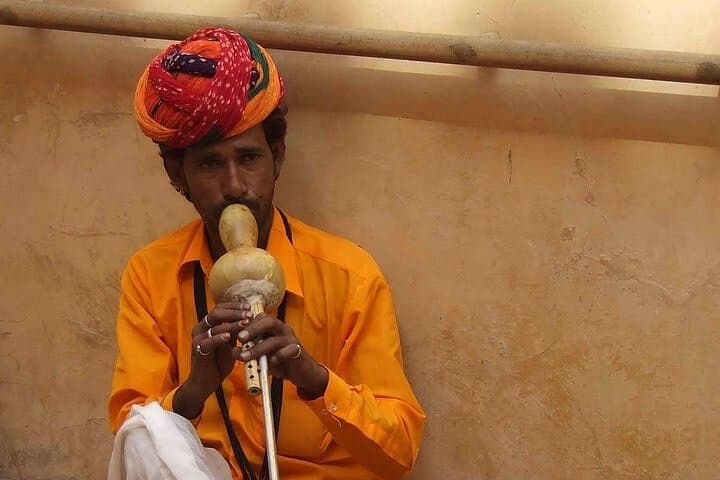
The route stitches together history: Mughal architecture in Agra and Jaipur, the ancient learning center of Nalanda, and the sites where early Buddhism was taught and practiced. Geologically the plains of North India are low and fertile, carved by the Ganges and its tributaries; in the Terai near Lumbini the land flattens into marshes that nurture sacred ponds and migratory birds. Culturally the trip balances the pomp of palaces with the hush of monasteries and daily rituals — morning puja flames on the Ganges, monks chanting beneath the Mahabodhi tree.
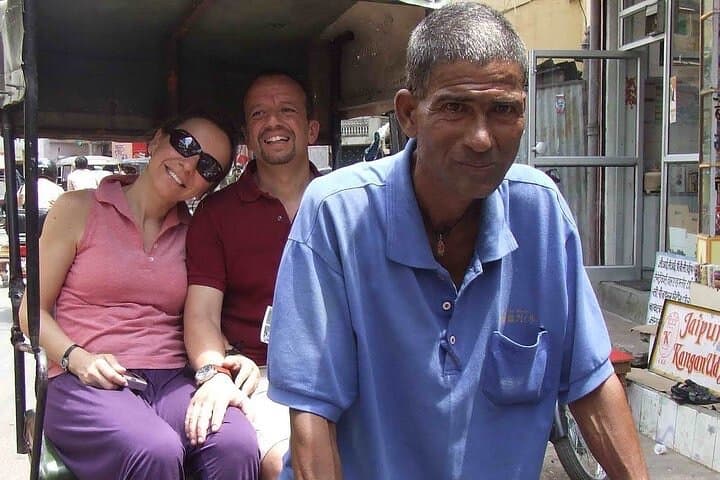
Expect walking tours of city markets and monuments, short rickshaw rides, border crossing formalities into Nepal to reach Lumbini, and a sunrise boat on the Ganges in Varanasi. The pace is moderate: days are long but structured, and accommodations range from comfortable hotels to more basic options in rural pilgrimage towns.
Practical guidance: pack comfortable walking shoes, sun protection, and a light rain shell; bring copies of travel documents and small local-currency notes for temples and tips. Hydrate on the move and plan for early starts to avoid heat and crowds. Respect dress codes at religious sites — shoulders and knees should be covered — and carry a reusable water bottle to minimize plastic waste.
moderate.
12 days.
Participants should have moderate fitness for repeated short walks, stairs in forts and temples, and several days with long transfers.
Most travelers require a visa for India and depending on nationality may need one for Nepal; check current embassy rules well before travel and ensure passport validity of at least six months.
The itinerary includes crossing at Sonauli to reach Lumbini; your local operator will advise required documents and timing for the crossing.
This is a moderate tour: expect city walking tours (1–3 hours), short hikes to viewpoints, and several long road transfers between sites.
The program lists breakfast daily and several lunches or dinners; accommodations are in pre‑selected hotels with options for 4* or 5* where available.
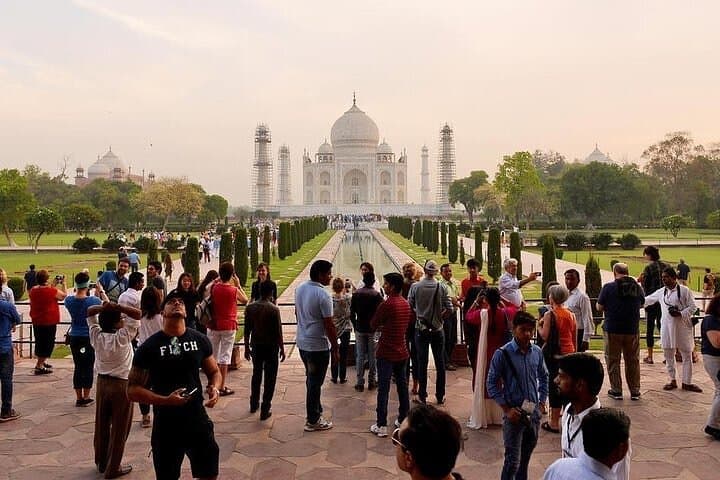
The journey links Mughal-era monuments (Taj Mahal, Agra Fort) with early Buddhist centers like Nalanda and Bodhgaya, places central to the spread of Buddhism across Asia.
Many sacred sites manage visitor impact through restricted areas and suggested donation; travelers should avoid single‑use plastics and follow local guidance to protect fragile archaeological and religious areas.
Chuttibaaz operates guided outdoor trips and adventures with an emphasis on safety, stewardship, and memorable experiences.
You step out of the hotel before dawn and the city is already moving — rickshaws buzzing, vendors arranging spices, and the first light catching the domes of Old Delhi. Over twelve days this private tour threads through Mughal forts and pink palaces, then crosses into the quieter, contemplative landscape of the Buddha Circuit from Kapilavastu and Lumbini to Bodhgaya and Sarnath.
You step out of the hotel before dawn and the city is already moving — rickshaws buzzing, vendors arranging spices, and the first light catching the domes of Old Delhi. Over twelve days this private tour threads through Mughal forts and pink palaces, then crosses into the quieter, contemplative landscape of the Buddha Circuit from Kapilavastu and Lumbini to Bodhgaya and Sarnath.
The route stitches together history: Mughal architecture in Agra and Jaipur, the ancient learning center of Nalanda, and the sites where early Buddhism was taught and practiced. Geologically the plains of North India are low and fertile, carved by the Ganges and its tributaries; in the Terai near Lumbini the land flattens into marshes that nurture sacred ponds and migratory birds. Culturally the trip balances the pomp of palaces with the hush of monasteries and daily rituals — morning puja flames on the Ganges, monks chanting beneath the Mahabodhi tree.
Expect walking tours of city markets and monuments, short rickshaw rides, border crossing formalities into Nepal to reach Lumbini, and a sunrise boat on the Ganges in Varanasi. The pace is moderate: days are long but structured, and accommodations range from comfortable hotels to more basic options in rural pilgrimage towns.
Practical guidance: pack comfortable walking shoes, sun protection, and a light rain shell; bring copies of travel documents and small local-currency notes for temples and tips. Hydrate on the move and plan for early starts to avoid heat and crowds. Respect dress codes at religious sites — shoulders and knees should be covered — and carry a reusable water bottle to minimize plastic waste.